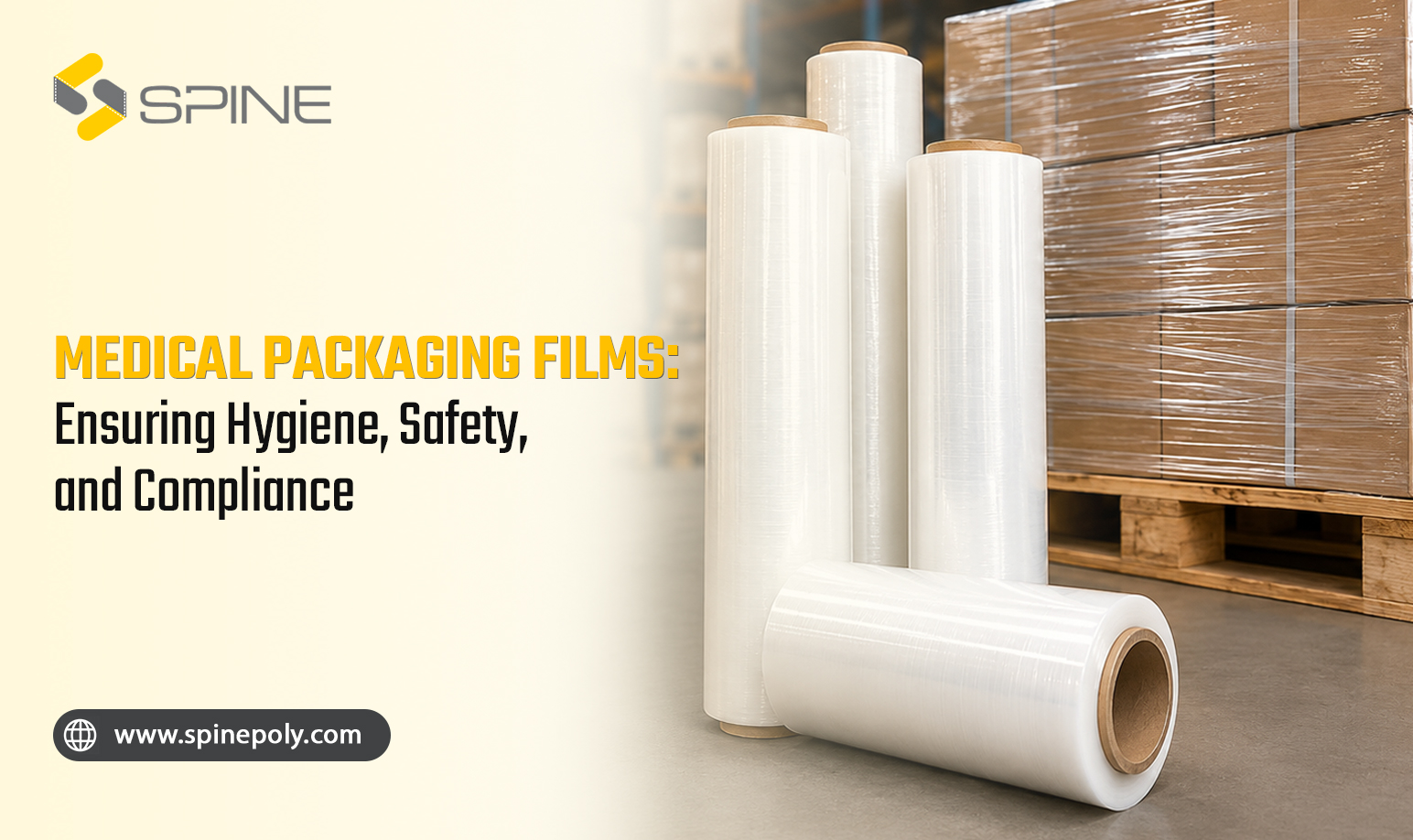
Medical Packaging Films: Ensuring Hygiene, Safety, and Compliance

In today’s healthcare industry, packaging is far more than a protective covering. It serves as the first line of defense against contamination, preserving the quality, sterility, and integrity of medical products throughout storage, transportation, and end use. From surgical disposables and diagnostic kits to pharmaceutical products and medical devices, reliable packaging films play a vital role in maintaining patient safety.

As healthcare standards continue to evolve, manufacturers require packaging materials that combine durability, hygiene, and regulatory compliance without compromising efficiency. This is where high-performance medical packaging films make a significant difference.

At Spine Poly Tech, we manufacture advanced polyethylene (PE) medical packaging films designed to meet the demanding requirements of the healthcare industry. Our solutions help medical manufacturers achieve consistent quality, dependable protection, and reliable packaging performance.

Why Medical Packaging Films Matter

Medical products often travel through multiple stages before reaching healthcare professionals or patients. During this journey, they can be exposed to moisture, dust, physical impact, and environmental contaminants. Even minor packaging damage can compromise product quality and increase safety risks.

Medical packaging films are specifically engineered to create a secure barrier that protects products from external contaminants while maintaining cleanliness and structural integrity. Whether used for disposable medical supplies, protective covers, or sterile packaging systems, these films help ensure products remain safe until they are ready for use.

The Importance of Hygiene in Medical Packaging

Hygiene is one of the most critical aspects of healthcare packaging. Hospitals, clinics, and pharmaceutical companies depend on packaging materials that minimize contamination risks and support sterile handling practices.

High-quality PE medical films contribute to hygienic packaging by offering:

  • Excellent resistance to dust and moisture
  • Smooth, clean surfaces suitable for medical applications
  • Reliable sealing performance
  • Consistent film thickness for dependable protection
  • Compatibility with various medical disposable products

These characteristics help healthcare manufacturers maintain high production standards while supporting infection prevention across the supply chain.

Delivering Reliable Product Safety

Medical packaging must continue protecting products from the manufacturing facility to the point of use. Strong packaging films reduce the risk of punctures, tears, leaks, and handling damage during transportation and storage.

A reliable medical packaging film should provide:

  • High tensile strength
  • Uniform thickness throughout the roll
  • Strong sealing properties
  • Excellent flexibility
  • Stable mechanical performance

These features ensure packaging remains intact under demanding handling conditions while protecting valuable medical products from external damage.

Supporting Regulatory Compliance

The healthcare industry operates under strict quality and regulatory requirements. Packaging materials are expected to meet defined performance standards and maintain complete consistency throughout production.

Manufacturers increasingly seek packaging partners that follow structured quality systems, maintain process control, and perform extensive product testing.

At Spine Poly Tech, every production batch undergoes rigorous quality inspections, including tests for tensile strength, film uniformity, seal strength, gloss, haze, friction, and impact resistance. This systematic approach helps ensure dependable product performance for healthcare applications. The company also operates under internationally recognized quality management systems for medical-grade manufacturing.

Key Features of High-Performance Medical Packaging Films

Not all packaging films are suitable for healthcare environments. Medical applications demand materials that perform consistently under challenging conditions.

Some of the essential characteristics include:

Superior Barrier Protection

Medical packaging films help shield products from moisture, dust, and other environmental contaminants that could affect product quality.

Consistent Seal Integrity

Reliable sealing is essential to maintaining package integrity throughout storage and transportation. Uniform seal strength minimizes the risk of accidental package failure.

Excellent Flexibility

Flexible films adapt easily to various packaging designs without sacrificing strength or performance.

Chemical Stability

Polyethylene films are widely preferred because they remain stable during normal medical packaging applications without reacting with packaged products.

Custom Manufacturing Options

Healthcare manufacturers often require customized film specifications based on product dimensions, packaging equipment, and application requirements. Tailored thickness, width, and material formulations improve production efficiency while meeting specific operational needs.

Applications Across the Healthcare Industry

Medical packaging films support a wide variety of healthcare products, including:

  • Disposable medical aprons
  • Medical bed covers
  • Surgical drapes
  • Bandage release liners
  • Medical device packaging
  • Protective healthcare covers
  • Diagnostic product packaging
  • Hygiene product manufacturing
  • Shoe cover and shower cap rolls

Each application demands precise manufacturing standards to ensure dependable performance and consistent quality.

Sustainability in Modern Medical Packaging

Sustainability has become an important consideration across every manufacturing industry, including healthcare packaging. While patient safety remains the highest priority, manufacturers are also looking for solutions that reduce material waste and support responsible production practices.

Modern PE packaging films offer opportunities for lightweight packaging, efficient material utilization, and recyclable solutions where appropriate. By combining performance with responsible manufacturing practices, businesses can improve operational efficiency while supporting long-term sustainability goals.

At Spine Poly Tech, sustainable manufacturing is integrated into production through efficient processes, controlled material usage, and a commitment to minimizing waste without compromising product quality.

Conclusion

Medical packaging films play an essential role in protecting healthcare products, supporting hygiene, and ensuring regulatory compliance throughout the supply chain. As healthcare standards continue to advance, manufacturers need packaging solutions that deliver consistent quality, dependable safety, and reliable performance.

With advanced manufacturing capabilities, stringent quality assurance, and a strong focus on innovation, Spine Poly Tech continues to provide high-performance medical packaging films that help healthcare businesses maintain product integrity while meeting the highest standards of safety and quality. Whether your application involves disposable medical products, protective packaging, or specialized healthcare films, choosing the right packaging partner ensures confidence at every stage from production to patient care.
Why Spine Poly Tech Is a Trusted Name in Advanced PE Film Solutions

In the industry we are in it is not easy to be successful. You need to make products do things the same way every time and come up with new ideas. This takes a lot of work and time. The PE films we make may look simple. They are actually made using very precise engineering, material science and strict quality control. At Spine Poly Tech we have spent years getting better at making these films. Now people trust us to make advanced PE film solutions.

Our goal has never been to make a lot of films. We want to make films that work well, protect products, help businesses and can handle the challenges of packaging today. Let us take a look at what makes us different and why people in different industries keep coming back to us.

We care about quality

For us quality is not a slogan. It is the foundation of everything we do at Spine Poly Tech. From the moment we get the materials to the final check of the finished product every step is done with very high standards. We pick our materials carefully, work with suppliers we trust and test our films many times during production.

This attention to detail means that every PE film that leaves our factory is consistent in thickness, strength, clarity and performance. Our customers know that when they buy from us they are getting a product that was made with care and checked to make sure it is reliable.

We have manufacturing capabilities

Packaging today needs modern manufacturing. Our production lines have technology that lets us make many types of PE films, including LDPE, LLDPE, HDPE and custom multi-layer structures. Whether a customer needs thin films for light packaging or strong films for industrial use we can make them.

Our machines can make films with thickness control, excellent strength and very good clarity. This level of precision lets us serve industries with different needs from food packaging and agriculture to construction, textiles and logistics.

We can customize our films for every industry

No two businesses are the same and their packaging needs are not the same either. One reason people trust Spine Poly Tech is that we can customize our PE films to meet requirements.

We work closely with our customers to understand their products, supply chains and challenges. Then we tailor our films to meet their needs in terms of thickness, width, color, printing, sealing properties, UV resistance and barrier performance. This approach lets us deliver packaging solutions that fit perfectly into our customers’ operations rather than making them adjust to a generic product.

We are committed to innovation

The packaging industry is changing fast. If you don’t keep up you will be left behind. At Spine Poly Tech innovation is a part of who we are. We keep investing in research, upgrading our technology and developing products to stay ahead of industry trends.

From looking into bio-based polymers to developing high-barrier multi-layer films and lighter yet stronger structures our team is always working on the next generation of PE films. This thinking approach means our customers always have access to packaging solutions that meet the latest market demands.

Sustainability is important to us

Today businesses are under a lot of pressure to reduce their impact on the environment and packaging plays a role in this. We take this responsibility seriously. Our PE films are designed with sustainability in mind from using materials to making recyclable mono-material structures that fit into circular economy systems.

We also focus on reducing waste in our operations using energy efficiently and exploring greener raw material options. By choosing Spine Poly Tech our customers get a partner that supports their sustainability goals much as their performance requirements.

Our team really cares

Behind every manufacturing company is a team of people who genuinely care about what they do. Our engineers, technicians, quality experts and customer service professionals are the backbone of Spine Poly Tech. Their expertise, dedication and problem-solving mindset are what let us consistently deliver on our promises.

We believe that strong relationships are just as important as films. That is why our team takes the time to understand each customer, respond quickly to questions and provide support long after a product is delivered. For us every customer is a long-term partner, not a one-time order.

You can count on us

In packaging timing is everything. A supply chain can be disrupted by a delayed shipment. That is why reliability is one of the qualities our customers value most about us. We maintain production schedules, well-managed inventory and efficient logistics to ensure on-time delivery every time.

Our consistency in both product quality and delivery has helped us build standing relationships with customers across India and beyond. We have many customers who have been with us for years. Their continued trust is the strongest endorsement of our work.

We serve different industries

One of the strengths of Spine Poly Tech is the diversity of industries we serve. Our PE films are used in food and beverage packaging, agricultural mulching and greenhouse covers, construction sheets, industrial liners, courier and e-commerce packaging, textile wrapping and many other applications. This wide experience gives us insight into different packaging challenges and helps us bring valuable cross-industry knowledge to every new project.

Looking ahead with confidence

The future of PE films is full of possibilities. Materials, greener processes and more intelligent packaging. As the industry moves forward Spine Poly Tech is committed to leading with quality, integrity and innovation. We will continue to invest in our people, our technology and our partnerships to deliver film solutions that meet the evolving needs of a changing world.

Final thoughts

Trust is not built overnight. It is earned through quality honest service and a genuine commitment to customer success. At Spine Poly Tech we have built our reputation one roll at a time one customer at a time. One promise kept after time. As we look to the future our mission remains the same. To be the reliable, innovative and customer-focused name, in advanced PE film solutions.

How Smart Packaging Films Improve Logistics and Transportation Safety

In the fast moving world of global trade, products rarely stay in one place for long. They travel across cities, cross borders, switch between trucks, ships, and warehouses, and pass through countless hands before reaching the end customer. Every step in this journey introduces risks, damage, contamination, temperature changes, theft, and delays. This is exactly where smart packaging films are changing the game.

At Spine Poly Tech, we have seen first hand how the right packaging film can make the difference between a product arriving in perfect condition or being written off as a loss. Smart packaging films are no longer just protective layers; they are intelligent tools that safeguard goods, streamline logistics, and bring transparency to every stage of transportation.

What Exactly Are Smart Packaging Films?

Smart packaging films go far beyond traditional wraps and pouches. They are engineered with advanced materials and often integrated with technologies like sensors, indicators, RFID tags, QR codes, and barrier coatings. These films can monitor conditions, communicate information, and respond to environmental changes during transit.

In simple terms, they think, sense, and protect, making them one of the most valuable innovations in the modern supply chain.

Protecting Products Through Every Mile of the Journey

Transportation is rough on packaging. Vibrations from long haul trucks, sudden temperature drops in cargo holds, humidity in shipping containers, and rough handling at distribution centers can all take a toll on goods. Smart packaging films are designed to absorb these challenges without compromising the product inside.

High performance stretch films, for instance, keep palletized goods tightly secured during long journeys. Shrink films lock items in place and prevent shifting. Multi layer barrier films protect sensitive products from moisture, oxygen, and contamination. The result is fewer damaged shipments, fewer returns, and significantly lower losses for businesses.

Real Time Monitoring and Traceability

One of the biggest advantages of smart packaging films is the ability to track and trace products in real time. Films embedded with QR codes or RFID chips allow logistics teams to monitor exactly where a shipment is, how it has been handled, and whether it has experienced any irregularities during transit.

For industries like pharmaceuticals, food, and electronics, this level of visibility is essential. A temperature sensitive vaccine, for example, can be tracked from the manufacturer all the way to the clinic, with alerts triggered if storage conditions ever fall outside the safe range. This not only protects the product but also ensures compliance with strict industry regulations.

Tamper Evidence and Anti Counterfeiting

Cargo theft and counterfeit products cost the global economy billions every year. Smart packaging films help combat both. Tamper evident films clearly show if a package has been opened or interfered with during transit, giving recipients confidence that what they receive is genuine and untouched.

Some advanced films also include holographic patterns, microtext, or invisible markings that are difficult to replicate. This added security layer is especially valuable for high value goods, luxury items, and pharmaceuticals where authenticity is non negotiable.

Temperature and Freshness Indicators

Cold chain logistics is one of the most complex parts of global transportation. Even a small lapse in temperature control can ruin perishable goods. Smart packaging films equipped with temperature indicators provide a visible signal when products have been exposed to unsafe conditions.

Similarly, freshness indicators on food packaging films can tell handlers and customers whether a product is still safe to consume. This reduces food waste, prevents health risks, and builds consumer trust, all while making logistics teams more accountable.

Reducing Weight Without Compromising Strength

Modern smart films are remarkably lightweight, yet incredibly strong. Thanks to innovations in polymer technology and multi layer extrusion, manufacturers can now produce thinner films that deliver superior performance. For logistics companies, this translates into lower shipping weights, reduced fuel consumption, and lower transportation costs.

Lighter packaging also means more efficient use of cargo space, allowing businesses to ship more products per trip. It is a small change with a huge impact on both profitability and sustainability.

Supporting Sustainable Logistics

Sustainability is no longer optional in modern supply chains. Smart packaging films are increasingly being designed with recyclable, biodegradable, or bio based materials. This helps companies meet environmental goals while still benefiting from advanced protection.

When fewer products are damaged in transit, fewer replacements need to be manufactured and shipped. That means less waste, lower carbon emissions, and a more efficient supply chain overall. Smart films, in this sense, are not just protecting products, they are protecting the planet too.

Streamlining Warehouse and Distribution Operations

Smart packaging films also make warehouse operations smoother. RFID enabled films allow for automated scanning, faster inventory checks, and reduced manual errors. Workers can quickly identify, sort, and dispatch goods without opening every package. This speeds up operations, reduces labor costs, and minimizes the chance of misrouted shipments.

In an era where same day and next day delivery are becoming the norm, this kind of efficiency is invaluable.

Building Customer Trust Through Transparency

Today’s customers want to know more about the products they buy, where they came from, how they were handled, and whether they are authentic. Smart packaging films make this transparency possible. A simple scan of a QR code can reveal the entire journey of a product, building trust and loyalty between brands and their customers.

For businesses, this is not just good service; it is a powerful competitive advantage.

The Road Ahead

As global supply chains become more complex, the demand for intelligent, reliable, and sustainable packaging will only grow. Smart packaging films are at the forefront of this evolution, blending advanced materials with digital innovation to create safer, smarter logistics systems.

At Spine Poly Tech, we are proud to contribute to this transformation by delivering high quality films that meet the real world challenges of transportation and logistics. Our focus is simple, to provide packaging solutions that protect products, support businesses, and adapt to the future of global trade.

Final Thoughts

Smart packaging films are no longer a luxury; they are a necessity in modern logistics. They reduce damage, prevent loss, improve traceability, and bring a new level of intelligence to the supply chain. As technology continues to advance, these films will play an even bigger role in shaping how the world moves goods safely and efficiently.

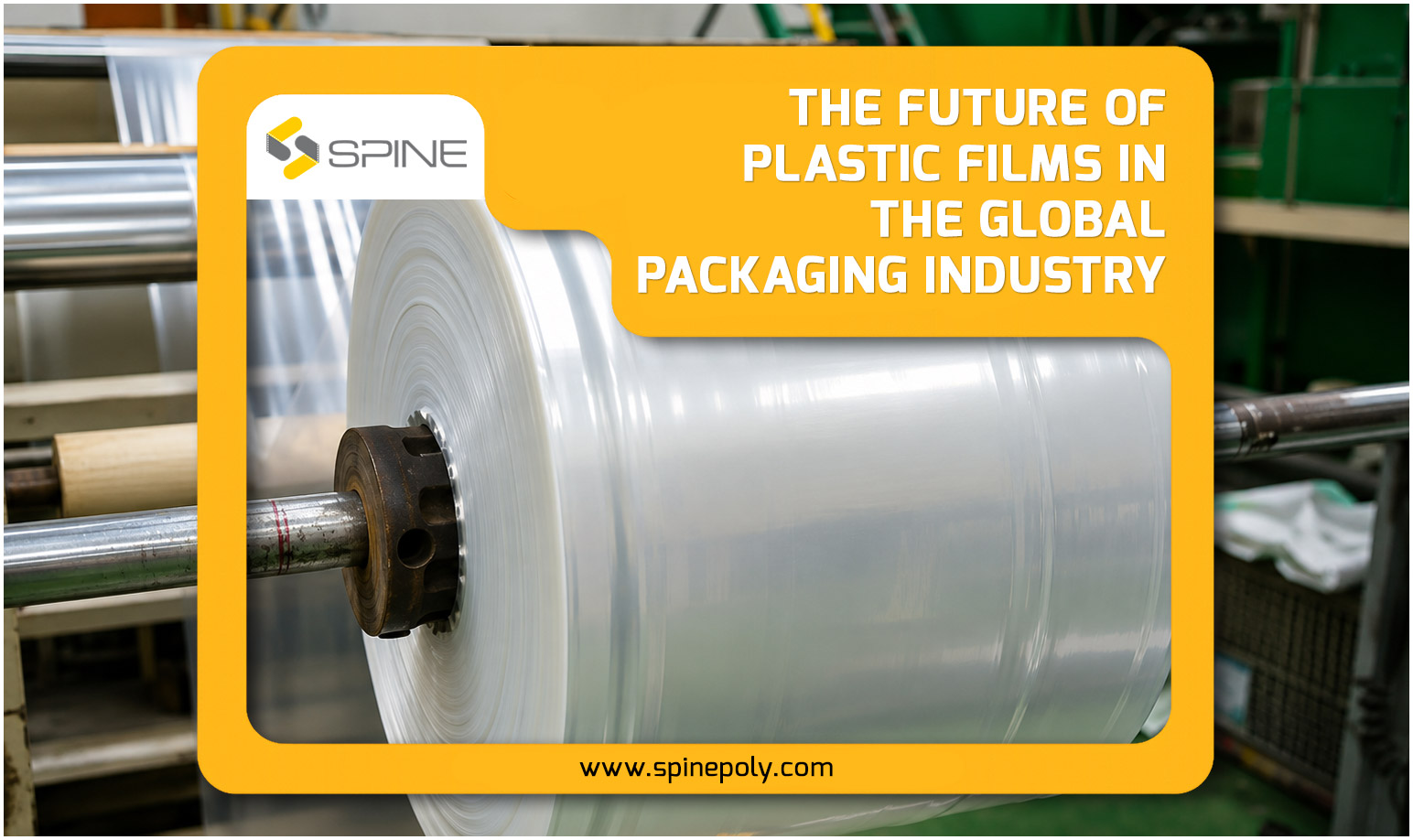
The Future of Plastic Films in the Global Packaging Industry

Packaging has become much more than a protective covering. In today’s competitive marketplace, it plays a critical role in product safety, brand perception, supply chain efficiency, and environmental responsibility. As industries evolve and consumer expectations continue to rise, plastic films remain one of the most important materials driving packaging innovation across the globe.

At Spine Poly Tech, we have witnessed how plastic films have transformed from simple packaging materials into highly engineered solutions that help businesses improve performance, reduce costs, and meet sustainability goals. The future of plastic films is being shaped by technology, changing regulations, and a growing focus on environmentally responsible manufacturing.

Why Plastic Films Continue to Lead the Packaging Industry

Despite the emergence of alternative materials, plastic films remain a preferred packaging choice for manufacturers worldwide. Their lightweight structure, flexibility, durability, and cost-effectiveness make them suitable for a wide range of industries, including food processing, pharmaceuticals, agriculture, healthcare, retail, and industrial manufacturing.

Plastic films help reduce packaging weight, protect products from contamination, improve storage life, and lower transportation costs. These advantages ensure that they will continue to play a vital role in global packaging systems for years to come.

Sustainability Is Driving the Next Generation of Films

Environmental concerns are influencing packaging decisions more than ever before. Businesses are actively searching for solutions that reduce waste while maintaining product protection and performance.

This shift has accelerated the development of recyclable plastic films, films containing recycled content, and packaging structures designed to support circular economy initiatives. Manufacturers are also exploring renewable raw materials and innovative production techniques that minimize environmental impact.

At Spine Poly Tech, we recognize that sustainability is no longer an optional feature. It is becoming an essential requirement for businesses looking to stay competitive in both domestic and international markets.

High-Performance Films for Better Product Protection

Future packaging solutions must deliver stronger protection while using fewer resources. This demand is encouraging advancements in film technology that improve resistance against moisture, oxygen, dust, chemicals, and other external factors.

Modern barrier films help maintain product quality, extend shelf life, and reduce spoilage during storage and transportation. These improvements are particularly important for food products, medical supplies, and sensitive industrial materials where product integrity is critical.

As technology advances, manufacturers are creating thinner yet stronger films that provide excellent protection without increasing material consumption.

Smart Packaging Is Becoming a Reality

Packaging is gradually becoming more interactive and intelligent. The integration of digital technologies into packaging materials is opening new possibilities for manufacturers and consumers alike.

In the future, plastic films may incorporate traceability systems, authentication tools, freshness indicators and interactive elements that enable consumers to access information about the product through their smartphones. These innovations improve supply chain visibility while enhancing customer engagement.

The adaptability of plastic films makes them an ideal platform for supporting the growth of smart packaging solutions across multiple industries.

E-Commerce Is Expanding Demand for Flexible Packaging

The rapid growth of online shopping has significantly changed packaging requirements. Products are now shipped across longer distances and handled multiple times before reaching customers.

This trend has increased demand for durable and lightweight packaging materials that can withstand transportation challenges while keeping shipping expenses under control. Plastic films offer an effective solution by providing strength, flexibility, and protection without adding unnecessary weight.

As global e-commerce continues to expand, the need for customized and high-performance film packaging is expected to grow substantially.

Manufacturing Is Becoming More Advanced

The future of plastic film production is closely tied to technological advancement. Modern manufacturing facilities are increasingly using automation, real-time monitoring systems, and data-driven quality control processes.

These innovations allow manufacturers to improve consistency, reduce material waste, optimize energy usage, and enhance production efficiency. Advanced extrusion technologies are also enabling the creation of films with superior mechanical properties and improved performance characteristics.

At Spine Poly Tech, continuous improvement and technological advancement remain key priorities in delivering reliable packaging solutions to our customers.

Regulatory Changes Will Encourage Innovation

Governments and regulatory authorities worldwide are introducing stricter packaging standards focused on recyclability, waste reduction, and environmental accountability.

While these changes create new challenges for manufacturers, they also encourage innovation and investment in better packaging technologies. Companies that proactively adapt to evolving regulations will be better positioned to serve future market demands.

The packaging industry is moving towards a balance of performance, compliance and sustainability and this creates opportunities for progressive manufacturers to become market leaders.

The Road Ahead for Plastic Films

The future of plastic films is not about choosing between performance and sustainability. It is about combining both. The next generation of packaging materials will be lighter, stronger, smarter, and more environmentally responsible.

We expect continued progress in recyclable film structures, advanced barrier technologies, intelligent packaging systems, and resource-efficient manufacturing methods. Collaboration between manufacturers, brands, and recycling ecosystems will further accelerate the development of sustainable packaging solutions.

Conclusion

Plastic films remain a cornerstone of modern packaging because they offer a unique combination of versatility, protection, efficiency, and affordability. As industries embrace new technologies and sustainability initiatives, these materials will continue to evolve and create new opportunities for businesses worldwide.

At Spine Poly Tech, we are committed to supporting this transformation through innovative plastic film solutions that meet the changing needs of modern industries. By focusing on quality, performance, and responsible manufacturing, we aim to help businesses build stronger packaging strategies for the future while contributing to a more sustainable world.

Industrial Packaging Trends That Will Shape the Next Decade

Industrial packaging is evolving faster than ever before. What was once viewed simply as a protective covering for products has now become a critical part of supply chain management, product safety, operational efficiency, branding, and sustainability. As industries continue to modernize, packaging will play a much larger role in helping businesses reduce costs, improve logistics, and meet changing market expectations.

Over the next decade, industrial packaging solutions will become smarter, lighter, more sustainable, and highly performance driven. At Spinepoly Tech, we believe businesses that adapt early to these packaging trends will be better positioned for long term growth and operational success.

Sustainability Will Drive Packaging Innovation

Sustainability is no longer optional in industrial packaging. Companies across the world are under increasing pressure to reduce waste, improve recyclability, and use packaging materials more responsibly.

This shift is creating strong demand for recyclable packaging films, mono material structures, downgauged films, and reusable industrial packaging systems. Businesses are now looking for packaging solutions that provide reliable product protection while also reducing environmental impact.

In the coming years, sustainable packaging will become a major deciding factor for manufacturers, distributors, and industrial buyers when selecting packaging suppliers.

Lightweight Packaging Will Continue Growing

Reducing packaging weight is becoming increasingly important for industrial operations. Lightweight packaging helps lower transportation costs, reduce fuel consumption, improve warehouse efficiency, and simplify product handling.

Flexible packaging films are gaining popularity because they offer strong protection without the extra weight associated with rigid packaging materials. Over the next decade, many industries will continue shifting toward lightweight film based packaging solutions wherever possible.

This trend is especially important for sectors managing large scale logistics and global supply chains where even small weight reductions can create significant cost savings.

Rising Demand for Customized Packaging Films

Industrial packaging needs are becoming more specialized. Different industries require different levels of protection depending on the nature of their products.

For example, electronics may require anti static protection, construction materials may need UV resistance, chemicals may require strong barrier protection, and industrial machinery parts may need puncture resistant packaging films.

As a result, the demand for customized industrial packaging films will continue increasing. Businesses will look for packaging solutions designed specifically for their operational and product requirements rather than relying only on standard packaging materials.

At Spinepoly Tech, we understand the importance of delivering packaging film solutions that match industry specific performance needs.

Packaging Materials Designed for Automation

Automation is transforming manufacturing and logistics operations across industries. Modern packaging materials must now perform efficiently on automated sealing systems, wrapping lines, robotic handling equipment, and high speed packaging machines.

Industrial buyers are increasingly choosing films that provide consistent thickness, smooth machine performance, reliable sealing, and easy unwinding. Packaging materials that create downtime, sealing failures, or production interruptions are becoming less acceptable in highly automated environments.

Over the next decade, automation friendly packaging films will become a standard requirement for industrial manufacturing operations.

Smart Packaging and Digital Traceability

Industrial supply chains are becoming more connected and data driven. Smart packaging technologies such as QR codes, RFID tracking, digital labels, and batch identification systems are expected to become more common in industrial packaging.

These features help businesses improve inventory management, monitor shipments, reduce counterfeiting risks, and increase supply chain transparency.

As industries continue investing in digital transformation, packaging will increasingly support real time product tracking and operational visibility from manufacturing to final delivery.

Increased Focus on Product Protection

Industrial products are becoming more advanced, valuable, and sensitive. Electronics, precision equipment, medical components, automotive parts, and engineered machinery require packaging that protects against moisture, static, scratches, dust, and impact damage.

This is increasing demand for specialized protective packaging films such as anti static films, barrier films, and surface protection solutions.

Businesses are recognizing that better packaging protection helps reduce product damage, customer complaints, returns, and operational losses throughout the supply chain.

Supply Chain Stability Will Influence Packaging Decisions

Global supply chain disruptions over recent years have highlighted the importance of reliable packaging suppliers and consistent material availability.

Businesses are now prioritizing packaging partners who can deliver dependable quality, technical expertise, flexible manufacturing support, and long term reliability. Packaging consistency has become just as important as packaging performance.

Companies want packaging solutions that help maintain uninterrupted operations even during uncertain market conditions.

Cost Efficiency with Long Term Value

Industrial buyers will continue focusing on cost effective packaging solutions, but future purchasing decisions will increasingly consider total packaging value instead of only material price.

Low cost packaging that causes product damage, operational delays, or customer returns can ultimately increase overall business expenses. Companies are now looking for packaging materials that improve efficiency, reduce waste, and provide stronger long term performance.

The next decade will favor packaging solutions that successfully balance affordability, durability, operational efficiency, and product protection.

Conclusion

The future of industrial packaging will be shaped by sustainability, automation, customization, lightweight materials, smart tracking systems, and advanced protective performance. Businesses that invest in modern packaging solutions will improve operational efficiency, reduce product losses, and strengthen customer trust.

At Spinepoly Tech, we are committed to delivering innovative and reliable packaging film solutions designed to support the evolving needs of modern industries and prepare businesses for the future of industrial packaging.

How Anti-Static Films Protect Sensitive Medical Devices

Today’s medical device packaging has to do much more than just contain a product. It must protect sensitive equipment from contamination, moisture, dust, physical damage, and electrostatic discharge during storage and transportation. As medical technology continues to advance in 2026, anti-static films have become an essential packaging solution for protecting delicate medical devices and electronic components.

At Spinepoly Tech, we understand that packaging quality directly impacts product safety, reliability, and performance. For medical and healthcare industries, even minor packaging failures can create serious operational and quality concerns. This is why anti-static films are playing an increasingly important role in modern medical packaging applications.

Understanding Static Electricity in Medical Packaging

Static electricity is an electrical charge that builds up on the surface of materials due to friction, movement, or contact between surfaces. In everyday situations, static may seem harmless, but for medical devices containing electronic components, static discharge can become a serious risk.

Many medical products today contain sensors, microcircuits, diagnostic chips, monitoring systems and electronic accessories that are very sensitive to electrostatic discharge. Even a small static shock can affect device accuracy, damage internal components, or reduce long term product reliability.

This is one of the main reasons why anti-static packaging films are now widely used in the healthcare and medical device industries.

How Anti-Static Films Work

Anti-static films are specially engineered packaging materials designed to reduce and control static charge buildup on the film surface. These films typically contain anti-static additives or surface treatments that help safely dissipate electrical charges instead of allowing them to accumulate.

By minimizing static buildup, anti-static films help reduce the risk of electrostatic discharge during packaging, storage, handling, and transportation. This additional protection level is very important for sensitive medical products where secure and stable packaging conditions are needed.

Protection for Sensitive Electronic Medical Devices

Medical technology is becoming increasingly dependent on electronic systems for monitoring, diagnosis, testing, and treatment. Devices such as diagnostic kits, wearable medical equipment, surgical device components, monitoring accessories, and laboratory instruments all require reliable packaging protection.

Anti-static films help protect these sensitive products from invisible electrical damage that may occur during production or logistics. In many cases, electrostatic damage may not be immediately visible, but it can weaken electronic performance over time and lead to future device failure.

Using anti-static packaging films helps manufacturers improve product reliability while reducing the risk of costly damage during handling and distribution.

Reducing Dust and Particle Attraction

Static charge can attract airborne dust, fibers, and small particles onto packaging surfaces. In medical packaging environments, maintaining cleanliness is extremely important because contamination can affect product safety and performance.

Anti-static films help reduce particle attraction, supporting cleaner packaging conditions and improved product protection. This makes them highly suitable for medical devices that require hygienic handling and controlled packaging environments.

In healthcare packaging, the risks of contamination must be restricted as much as the product must be protected.

Improving Packaging Line Efficiency

Static buildup can also create operational challenges during manufacturing and packaging processes. Standard films may cling together, stick to machinery, or become difficult to handle during high-speed production.

Anti-static films improve packaging efficiency by reducing unwanted sticking and improving material handling performance. This allows packaging operations to run more smoothly while reducing downtime, production interruptions, and material waste.

For manufacturers operating automated packaging systems, improved film handling can significantly enhance production consistency and operational efficiency.

Better Protection During Transportation and Storage

Medical devices often travel through multiple environments before reaching hospitals, clinics, laboratories, or distributors. During transportation, friction between packaging materials and surfaces can generate static charges that may affect sensitive products.

Anti-static films provide additional protection throughout the supply chain by helping control static buildup during shipping and storage. This added safety helps maintain product integrity until the device reaches its final destination.

Reliable transportation protection is especially important for high value and precision medical products that cannot tolerate packaging related damage.

Choosing the Right Anti-Static Packaging Solution

Selecting the right anti-static film depends on the specific requirements of the medical device being packaged. Factors such as barrier protection, seal strength, cleanliness, sterilization compatibility, flexibility, and regulatory expectations must all be considered carefully.

Proper film selection ensures that the packaging protects the product without affecting device quality, usability, or performance. As healthcare standards evolve in 2026, manufacturers are focusing more on packaging solutions offering safety, efficiency and reliability.

At Spinepoly Tech, we provide advanced packaging film solutions designed to meet the changing needs of medical and healthcare industries.

Conclusion

Anti-static films have become an essential part of modern medical device packaging because they help reduce electrostatic discharge, minimize dust attraction, improve handling efficiency, and support safer transportation. As medical technology continues becoming more advanced and electronics driven, the demand for reliable protective packaging solutions will continue to grow.

At Spinepoly Tech, we remain committed to delivering high quality packaging film solutions that help businesses protect sensitive medical products with confidence, safety, and long term reliability.

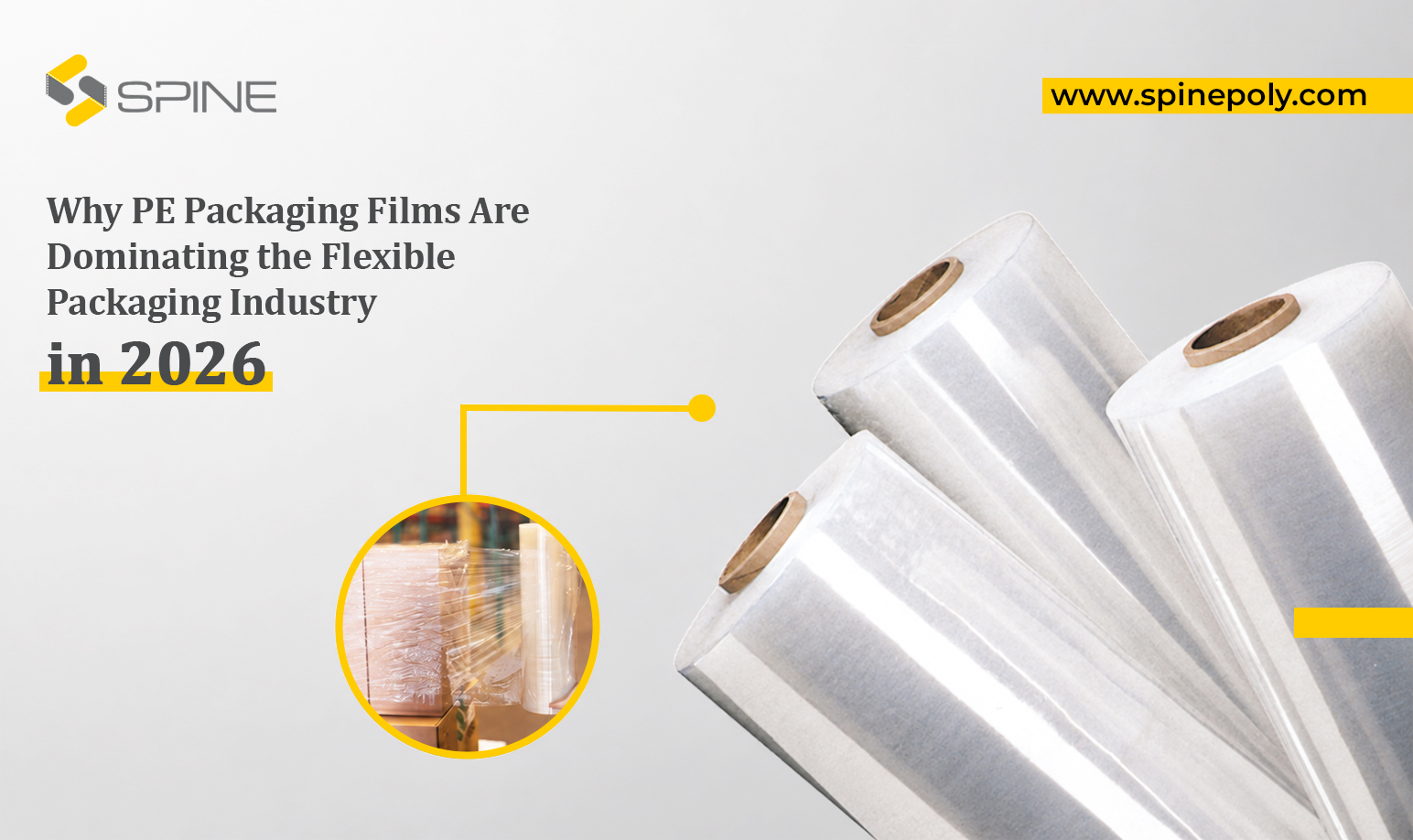
Why PE Packaging Films Are Dominating the Flexible Packaging Industry in 2026

The flexible packaging industry is evolving rapidly, and in 2026, PE packaging films continue to dominate the market across multiple industries. From food packaging and healthcare products to industrial materials and e-commerce shipments, businesses are increasingly choosing polyethylene films because they combine durability, flexibility, efficiency, and affordability in one packaging solution.

At Spinepoly Tech, we believe packaging today is much more than simple product wrapping. Modern packaging must protect products, support branding, improve logistics, maintain hygiene, and align with sustainability goals. PE packaging films have become the preferred choice because they successfully meet all these growing industry demands.

High Flexibility for Different Packaging Applications

One of the key advantages of PE packaging films is their exceptional flexibility. These films can be manufactured in different sizes, thicknesses, textures, and performance levels depending on the product requirement.

Whether industries require stretch wrapping, shrink packaging, protective liners, industrial covers, or flexible pouches, PE films can be customized to deliver reliable performance. Their adaptability allows manufacturers to use them across both lightweight consumer packaging and heavy duty industrial applications.

This versatility makes PE films suitable for industries such as food processing, pharmaceuticals, agriculture, textiles, construction, and consumer goods.

Lightweight Yet Strong Packaging Solution

Modern supply chains demand packaging that is strong without adding unnecessary weight. PE films offer an ideal balance between lightweight structure and durable protection.

Their low weight helps businesses reduce transportation costs, improve storage efficiency, and simplify product handling during shipping. Despite being lightweight, PE packaging films provide excellent resistance against tearing, punctures, and external damage.

For businesses managing large scale distribution or e-commerce deliveries, lightweight packaging can significantly improve operational efficiency while lowering overall logistics expenses.

Excellent Moisture and Contamination Protection

Moisture remains one of the biggest threats to product quality during storage and transportation. PE packaging films are highly effective at resisting moisture, dust, and external contaminants, helping products remain protected for longer periods.

Industries such as food packaging, chemicals, pharmaceuticals, electronics, and industrial manufacturing rely heavily on this protective performance. By creating a strong barrier against environmental exposure, PE films help maintain product quality, hygiene, and shelf stability.

This is one of the major reasons why PE films continue to dominate flexible packaging solutions worldwide.

Reliable Heat Sealing Performance

Efficient sealing is essential for successful flexible packaging. Weak seals can lead to leakage, contamination, reduced shelf life, and product damage. PE films are widely preferred because of their dependable heat sealing properties.

They work efficiently on high speed automatic packaging machines, making them suitable for modern manufacturing environments where productivity and consistency are critical.

As industries continue investing in automation and faster packaging systems in 2026, materials that support smooth machine performance are becoming increasingly important. PE packaging films help businesses maintain operational speed without compromising packaging quality.

Supporting Sustainable Packaging Goals

Sustainability has become a major factor influencing packaging decisions across industries. Businesses are actively searching for packaging materials that support recycling initiatives and reduce unnecessary waste.

PE packaging films are gaining strong market preference because they can be designed for recyclable and mono material packaging applications. Compared to complex multi layer packaging structures, PE-based solutions can simplify recycling processes when developed responsibly.

Many manufacturers are now shifting toward PE flexible packaging systems to support long term environmental goals while maintaining packaging performance and cost efficiency.

At Spinepoly Tech, we focus on delivering packaging film solutions that help businesses balance performance, protection, and evolving sustainability expectations.

Cost Effective for Large Scale Manufacturing

Another major reason behind the growing demand for PE packaging films is their cost effectiveness. Businesses require packaging materials that deliver reliable performance without significantly increasing production costs.

PE films provide excellent value because they can be produced efficiently at large scale while still offering customization options such as transparency, strength, color, printing compatibility, and surface finish.

Their affordability makes them a practical solution for industries looking to improve packaging quality while maintaining budget control.

Rising Demand in E Commerce and Industrial Packaging

The rapid growth of e-commerce and global logistics has created increasing demand for flexible packaging materials that can withstand transportation challenges.

PE films help protect products from moisture, scratches, dust, and transit related damage during shipping and storage. Their flexibility and durability make them highly effective for courier packaging, industrial wrapping, pallet protection, and bulk product handling.

Industrial sectors also use PE films extensively for packaging machinery parts, construction materials, raw materials, and heavy duty products that require dependable protective wrapping.

Conclusion

In 2026, PE packaging films continue to lead the flexible packaging industry because they offer the perfect combination of flexibility, durability, moisture resistance, sealing efficiency, and affordability. As industries continue searching for smarter and more sustainable packaging solutions, PE films remain a trusted choice for modern packaging applications.

At Spinepoly Tech, we are committed to providing high quality PE packaging film solutions designed to help businesses improve product protection, streamline operations, and stay prepared for the future of packaging innovation.

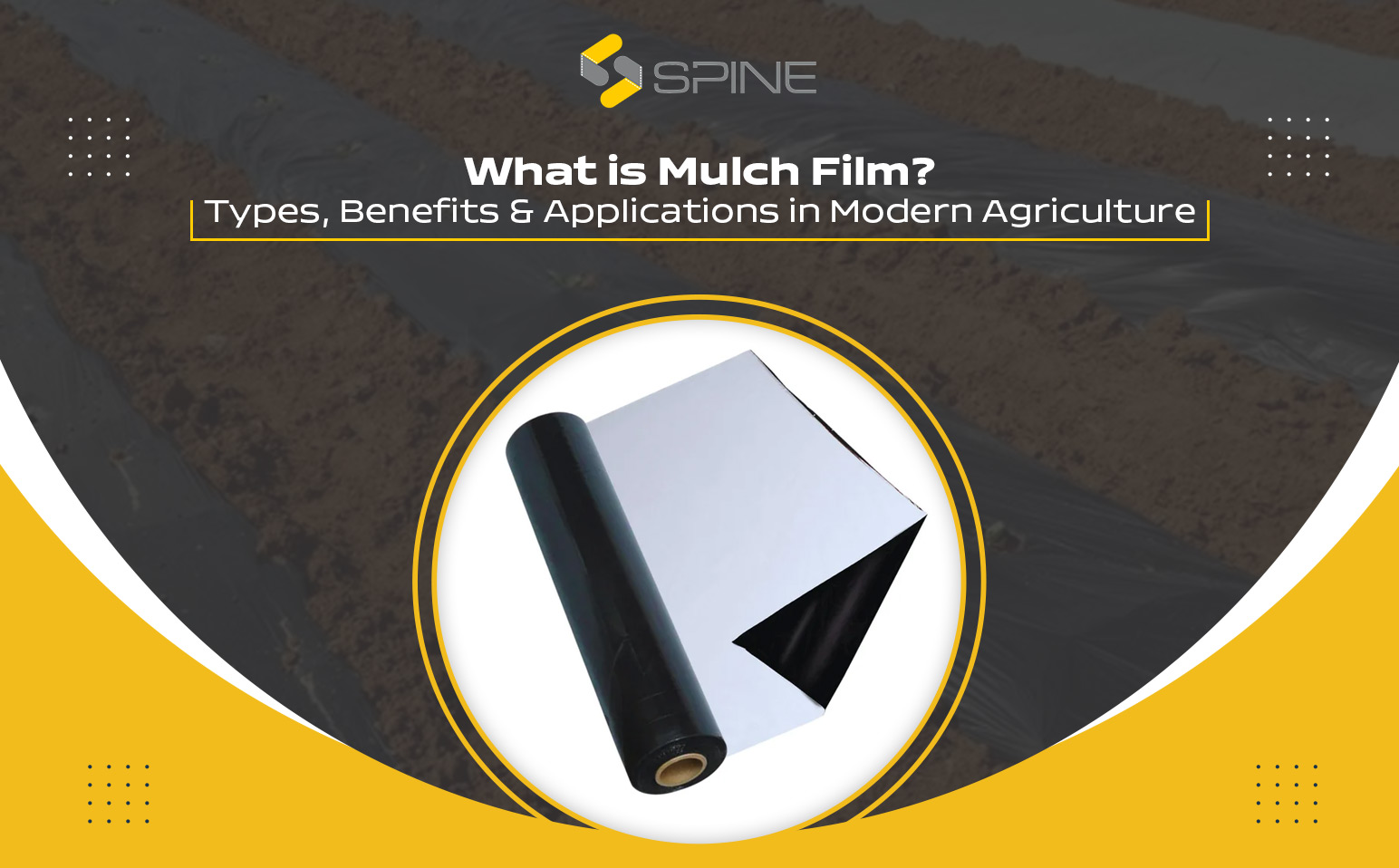
What is Mulch Film? Types, Benefits & Applications in Modern Agriculture

Across India’s agricultural landscape, a quiet transformation is reshaping how crops are grown. From Maharashtra’s strawberry farms to Rajasthan’s watermelon fields, mulch film in agriculture is emerging as a powerful tool for boosting productivity and sustainability.

At Spine Poly Tech, we work closely with farmers and agronomists to develop high performance agricultural mulch film solutions that address real world challenges. This guide explains everything you need to know from types and benefits to practical applications.

What Is Mulch Film in Agriculture?

Mulch film is a thin sheet of polyethylene spread over soil to improve growing conditions for crops. It acts as a protective layer that controls soil temperature, moisture, weeds, and pests.

Modern plastic mulch film is engineered for durability, consistency, and efficiency, making it far superior to traditional organic mulching methods like straw or leaves.

Quick Definition

Mulch film is a 15–50 micron polyethylene sheet used to retain moisture, suppress weeds, regulate soil temperature, and improve crop yield.

How Mulch Film Works

The effectiveness of mulch film lies in its ability to create a controlled microclimate. Here’s how:

1. Soil Temperature Regulation

Mulch film helps maintain optimal soil temperature by trapping or reflecting heat. This leads to faster germination and better root development.

2. Moisture Conservation

By reducing evaporation, mulch film benefits include significant water savings, especially important in drought prone regions of India.

3. Weed Control

Opaque films block sunlight, preventing weed growth and reducing dependence on herbicides.

4. Soil Protection

It prevents soil erosion, compaction, and contamination, resulting in healthier crops and cleaner produce.

Types of Mulch Film

Choosing the right type of agricultural mulch film depends on your crop and climate:

Black Mulch Film

  • Best for weed control
  • Suitable for vegetables and fruits
  • Most commonly used in India

Transparent Mulch Film

  • Ideal for soil solarization
  • Helps eliminate pests and pathogens

Silver Reflective Mulch Film

  • Repels insects like aphids and whiteflies
  • Reduces viral diseases

Silver Black Mulch Film

  • Combines weed suppression and insect control
  • Popular for high value crops

White / White Black Mulch Film

  • Keeps soil cool in hot climates
  • Ideal for summer crops

Biodegradable Mulch Film

  • Eco friendly alternative
  • Decomposes naturally in soil

Thermal (IR) Mulch Film

  • Retains heat during cold nights
  • Suitable for off season farming
Benefits of Mulch Film in Agriculture

Using plastic mulch film delivers multiple advantages:

  • 30–50% Water Savings
  • Faster Crop Growth & Early Harvests
  • 20–40% Higher Yields
  • Reduced Weed Growth
  • Improved Crop Quality
  • Better Fertilizer Efficiency

These benefits make mulch film a cost effective investment for farmers.

Applications of Mulch Film

Mulch film is widely used across crops and farming systems:

  • Vegetables: Tomato, capsicum, cucumber, chilli
  • Fruits: Strawberry, watermelon, banana
  • Flower farming: Rose, marigold
  • Greenhouse cultivation
  • Soil solarization before planting

Its versatility makes it essential in modern farming practices.

Mulch Film + Drip Irrigation: A Smart Farming Solution

Combining mulch film with drip irrigation maximizes efficiency. This system delivers water and nutrients directly to plant roots while preventing evaporation.

Key Benefits:

  • Up to 60% water savings
  • Reduced fertilizer loss
  • Lower disease risk
  • Higher crop productivity

This method, also known as plasticulture, is widely supported by government subsidies in India.

Choosing the Right Mulch Film Thickness

Thickness plays a critical role in durability:

  • 15–20 Microns: Short term crops
  • 25–30 Microns: Ideal for most vegetables
  • 40–50 Microns: Long duration and heavy duty use

Selecting the correct thickness ensures optimal performance and cost efficiency.

Environmental Impact & Sustainable Solutions

While plastic mulch film is highly effective, responsible usage is important.

At Spine Poly Tech, we focus on:

  • Developing biodegradable mulch films
  • Promoting recycling practices
  • Enhancing product durability to reduce waste

Our goal is to support sustainable agriculture without compromising performance.

Why Choose Spine Poly Tech for Mulch Film?

Spine Poly Tech is committed to delivering high quality mulch film solutions in India that help farmers:

  • Increase productivity
  • Reduce input costs
  • Improve crop quality
  • Adopt sustainable farming practices
Conclusion

Mulch film is transforming Indian agriculture by improving efficiency, sustainability, and profitability. Whether you’re growing vegetables, fruits, or flowers, investing in the right mulch film in agriculture can significantly enhance your results.At Spine Poly Tech, we continue to innovate and support farmers with reliable, high performance agricultural films designed for real world success.

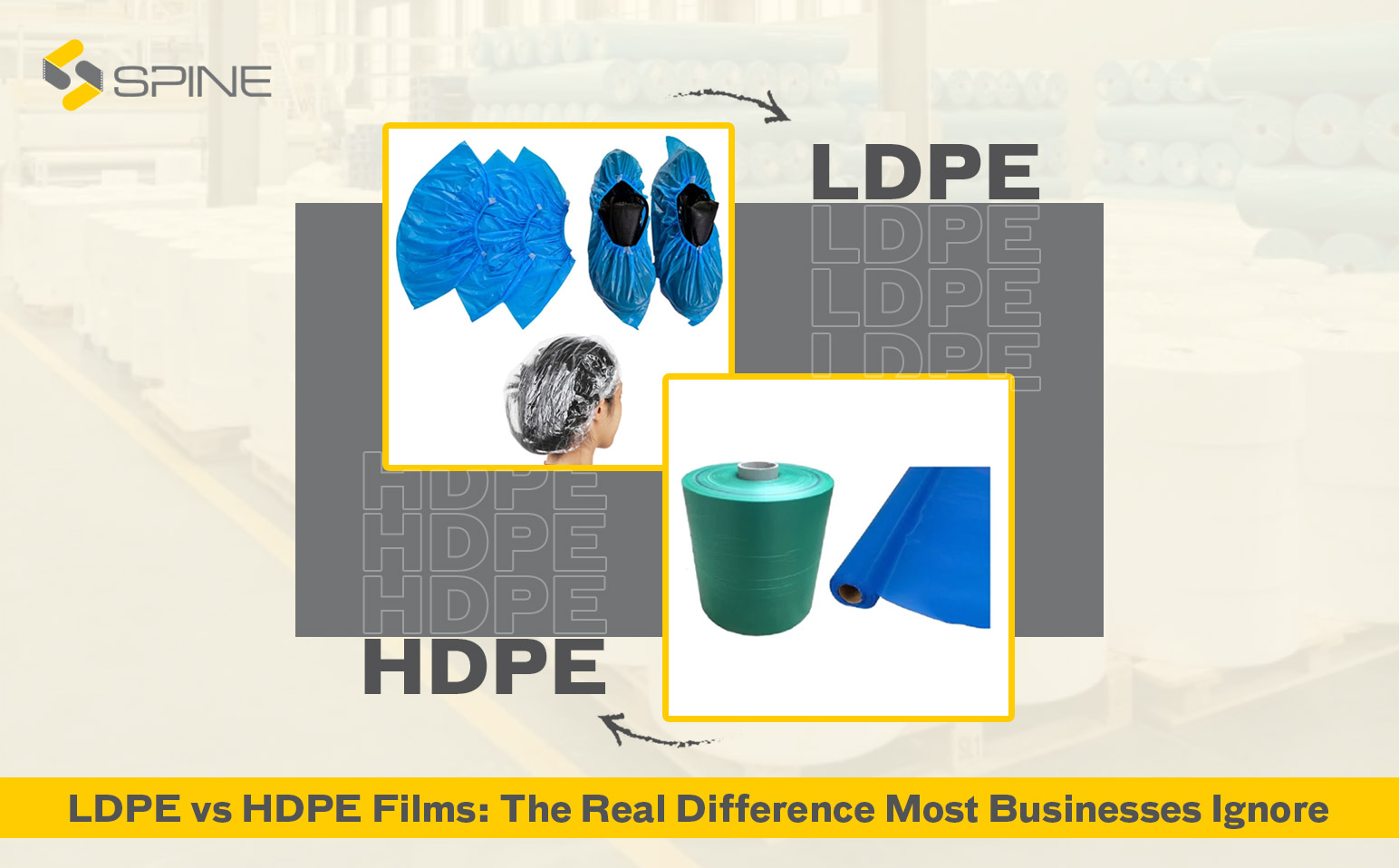
LDPE vs HDPE Films: The Real Difference Most Businesses Ignore

When it comes to selecting the right plastic film for packaging, manufacturing, or industrial use, many businesses assume all polyethylene films perform similarly. In reality, choosing between LDPE (Low Density Polyethylene) and HDPE (High Density Polyethylene) can significantly impact product performance, cost efficiency, and long term reliability.

At Spine Poly Tech, we work closely with clients across industries to help them make informed decisions about film selection. This guide breaks down the real differences between LDPE and HDPE films beyond the basics most suppliers talk about.

Understanding the Core Difference

The primary distinction between LDPE and HDPE lies in their molecular structure.

  • LDPE has a more branched structure, resulting in a softer and more flexible film.
  • HDPE has a linear structure with higher density, making it stronger and more rigid.

This structural variation directly affects how each film performs in real world applications.

Flexibility vs Strength: Choosing What Matters More

One of the most overlooked factors is how the film behaves under stress.

LDPE Films:

  • Highly flexible and stretchable
  • Excellent for applications requiring softness and adaptability
  • Ideal for wrapping irregular shapes

HDPE Films:

  • Higher tensile strength
  • More resistant to punctures and tearing
  • Better suited for heavy duty applications

At Spine Poly Tech, we often find that businesses choose based on price alone while performance requirements should always come first.

Transparency and Appearance

Visual clarity can be critical in packaging, especially in retail or medical applications.

  • LDPE films offer better transparency and gloss, making them ideal for product display packaging.
  • HDPE films are typically more opaque with a matte finish.

If product visibility is a priority, LDPE is usually the better option.

Moisture Resistance and Barrier Properties

Both LDPE and HDPE provide good moisture resistance, but they perform differently depending on the environment.

  • HDPE films offer superior moisture barrier properties, making them suitable for protective packaging and storage.
  • LDPE films provide balanced protection with added flexibility.

Spine Poly Tech engineers films based on application specific barrier requirements to ensure optimal performance.

Heat Resistance and Temperature Performance

Temperature tolerance is another key differentiator:

  • HDPE films can withstand higher temperatures and maintain structural integrity.
  • LDPE films have a lower melting point but offer better heat sealing properties.

This is why LDPE is commonly used in heat sealable packaging, while HDPE is preferred for more demanding environments.

Processing and Manufacturing Efficiency

From a production standpoint, both materials offer unique advantages:

LDPE:

  • Easier to process
  • Excellent for blown film extrusion
  • Smooth sealing and converting

HDPE:

  • Requires more controlled processing
  • Produces thinner, stronger films
  • More efficient for bulk and industrial packaging

Spine Poly Tech uses advanced extrusion technologies to optimize both LDPE and HDPE films for consistent quality and performance.

Cost vs Value: The Hidden Trade Off

Many businesses assume HDPE is always the more cost effective option due to its strength. However, the reality is more nuanced.

  • LDPE may reduce damage rates due to its flexibility
  • HDPE may reduce material usage due to its strength

The right choice depends on the total cost of ownership, not just raw material price.

At Spine Poly Tech, we help clients evaluate both short term costs and long term value before finalizing material selection.

Common Applications: Where Each Film Excels

LDPE Film Applications:

  • Flexible packaging
  • Shrink films
  • Agricultural films
  • Medical disposables
  • Protective covers

HDPE Film Applications:

  • Industrial liners
  • Grocery and carry bags
  • Chemical packaging
  • Heavy duty sacks
  • Construction films

Understanding these use cases helps businesses align material properties with actual needs.

Sustainability Considerations

Sustainability is becoming a major factor in material selection.

  • Both LDPE and HDPE are recyclable under proper conditions
  • HDPE is often preferred for its recyclability infrastructure
  • LDPE supports lightweight packaging, reducing overall material usage

Spine Poly Tech is committed to developing environmentally responsible film solutions that align with evolving global standards.

The Real Difference Businesses Often Miss

The biggest mistake companies make is treating LDPE and HDPE as interchangeable. They are not.

The real difference lies in application fit:

  • Choose LDPE when flexibility, clarity, and sealability matter
  • Choose HDPE when strength, rigidity, and durability are critical

Making the wrong choice can lead to:

  • Product damage
  • Increased costs
  • Inefficient packaging processes
Spine Poly Tech’s Approach

At Spine Poly Tech, we don’t just supply films, we provide custom engineered solutions.

Our expertise includes:

  • Tailored LDPE and HDPE film development
  • Multi layer and co extruded film solutions
  • Industry specific customization
  • Consistent quality control and performance testing

We work closely with businesses to ensure they get the right film for the right application, every time.

Final Thoughts

Choosing between LDPE and HDPE films is more than a technical decision; it’s a strategic one.

By understanding the real differences and aligning them with your operational needs, businesses can improve efficiency, reduce waste, and enhance product protection.Spine Poly Tech is here to guide you through that process with reliable, high performance polyethylene film solutions built for modern industry demands.

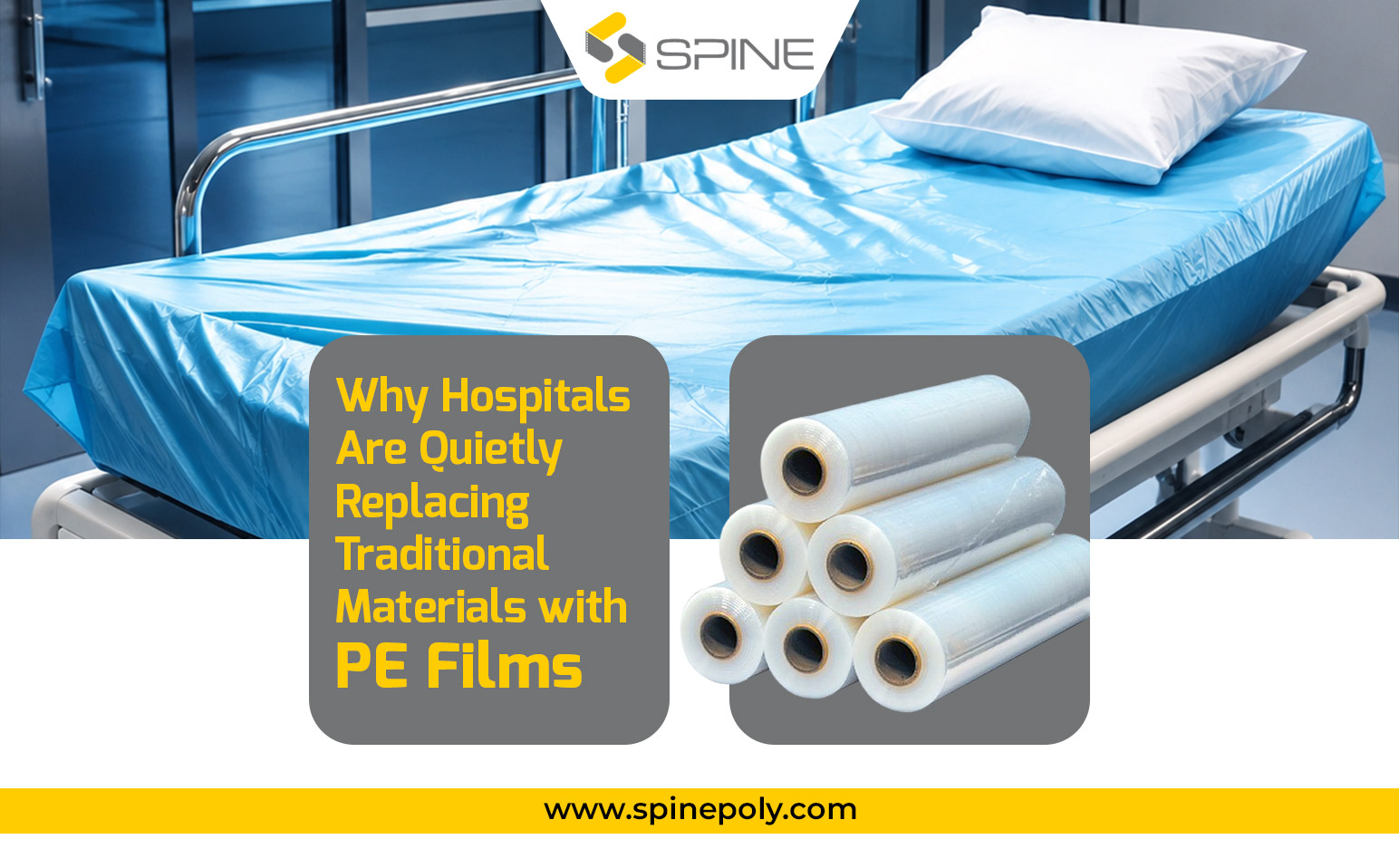
Why Hospitals Are Quietly Replacing Traditional Materials with PE Films

The healthcare industry is undergoing a significant material transformation. Hospitals and medical manufacturers are steadily moving away from traditional materials like glass, metal, paper, and legacy plastics such as PVC, and embracing polyethylene (PE) films for both medical devices and packaging.

At Spine Poly Tech, we’ve seen this shift firsthand. The demand for safer, more efficient, and regulatory compliant solutions is driving the adoption of advanced PE film technologies across healthcare systems worldwide.

The Shift Toward Safer, Single Use Medical Solutions

Infection control has become a top priority for hospitals globally. Traditional materials required repeated cleaning and sterilization, increasing the risk of contamination. Today, healthcare facilities prefer single use disposable systems to minimize hospital acquired infections (HAIs).

Polyethylene films play a crucial role in this transition:

  • Used in disposable drapes, covers, pouches, and liners
  • Eliminates the need for re sterilization
  • Reduces cross contamination risks
  • Maintains sterility from packaging to point of use

Spine Poly Tech designs medical grade PE films that support safe, hygienic, and efficient healthcare workflows.

Sterilization Compatibility: Built for Modern Healthcare

Medical packaging must withstand rigorous sterilization processes such as:

  • Ethylene Oxide (EtO)
  • Gamma radiation
  •  Electron beam (E beam)

High quality PE films are engineered to retain their:

  • Seal strength
  • Mechanical integrity
  • Barrier performance

Unlike older materials that may degrade or discolor, Spine Poly Tech’s PE films ensure consistent sterile barrier protection throughout the product lifecycle.

Moving Beyond PVC and Harmful Additives

One of the strongest drivers behind PE film adoption is the global shift toward non PVC and non phthalate materials.

Traditional flexible PVC often contains plasticizers like DEHP, which have raised concerns in sensitive patient groups. Similarly, BPA based materials are being reconsidered due to potential health risks.

Polyethylene offers a safer alternative:

  • Naturally flexible without plasticizers
  • Free from DEHP and BPA
  • Suitable for patient contact and fluid contact applications

Spine Poly Tech actively supports healthcare providers transitioning to PVC free medical packaging solutions.

Cost Effective Without Compromising Performance

Healthcare systems operate under constant cost pressure. PE films provide an ideal balance of affordability and performance:

  • Widely available and cost efficient raw material
  • Lightweight, reducing transport and storage costs
  • High speed manufacturing compatibility
  •  Lower waste generation compared to rigid materials

Our advanced film technologies help manufacturers achieve better economics while maintaining high quality standards.

Versatility Through Material Innovation

Polyethylene is not a single material; it’s a versatile family including:

  • LDPE & LLDPE: Flexible, soft, excellent sealing
  • HDPE: Stronger, more rigid, chemically resistant

Through co extrusion technology, Spine Poly Tech creates multi layer films that combine:

  • Strength
  • Sealability
  • Barrier protection
  • Printability

This flexibility allows a single PE based solution to replace multiple legacy materials.

Designed for Real Clinical Use

In fast paced hospital environments, usability matters. PE films are engineered to improve clinical efficiency:

  • Easy tear and peel open packaging
  • High clarity for quick identification
  • Anti fog properties for visibility
  • Anti static grades for sensitive equipment

These features help healthcare professionals work faster while maintaining sterile conditions.

Environmental and Sustainability Advantages

Sustainability is becoming increasingly important in healthcare procurement decisions.

Polyethylene films offer several environmental benefits:

  • Lower energy consumption during production
  • Lightweight, reducing carbon footprint in logistics
  • Recyclability potential in non infectious waste streams
  • Compatibility with mono material packaging designs

Spine Poly Tech focuses on developing eco conscious film solutions aligned with global sustainability goals.

Superior Barrier Protection and Sterility Assurance

PE films are essential in maintaining sterile environments:

  • Protect against moisture, dust, and microbes
  • Ensure strong, reliable seals
  • Prevent punctures and leaks during transport

They are often used as part of multi layer medical packaging systems that enhance overall barrier performance.

Proven Safety and Biocompatibility

Polyethylene has a long standing history in medical applications:

  • Used in hundreds of approved medical devices
  • Safe for packaging and near contact applications
  • Chemically stable and non reactive

This proven track record makes PE films a trusted choice for healthcare manufacturers.

Strength, Flexibility, and Durability

Medical environments demand materials that can handle stress without failure. PE films deliver:

  • High puncture and tear resistance
  • Flexibility to conform to complex shapes
  • Stability during sterilization and transport

Spine Poly Tech ensures that every film meets stringent performance and durability standards.

Expanding Applications in Healthcare

PE films are now widely used across multiple medical applications:

  • Surgical drapes and protective covers
  • Disposable bed sheets and mattress protectors
  • Sterile packaging pouches and liners
  • Wound care and dressing components
  •  Lab and diagnostic packaging

They also play a critical role in cleanroom environments, pharmaceutical logistics, and infection control systems.

Supporting the Future of Medical Packaging

Healthcare packaging is evolving rapidly, and PE films are at the center of this transformation:

  • High performance multi layer film structures
  • Non PVC medical packaging innovations
  • Smart packaging with printed identifiers and tracking codes
  • Compatibility with automated, high speed packaging lines

Spine Poly Tech continues to invest in advanced polyethylene film technologies to support next generation medical solutions.

The Bottom Line

The shift toward polyethylene films in healthcare is not just a trend; it’s a necessity driven by:

  • Infection prevention
  • Regulatory compliance
  • Cost efficiency
  • Material safety
  • Sustainability goals

At Spine Poly Tech, we are proud to be part of this evolution, delivering high quality PE films that meet the demanding needs of modern healthcare systems.