12 Oct 2026

8 Jun 2026
What is Mulch Film? Types, Benefits & Applications in Modern Agriculture
Across India’s agricultural landscape, a quiet transformation is reshaping how crops are grown. From Maharashtra’s strawberry farms to Rajasthan’s watermelon fields, mulch film in agriculture is emerging as a powerful tool for boosting productivity and sustainability.
At Spine Poly Tech, we work closely with farmers and agronomists to develop high performance agricultural mulch film solutions that address real world challenges. This guide explains everything you need to know from types and benefits to practical applications.
What Is Mulch Film in Agriculture?
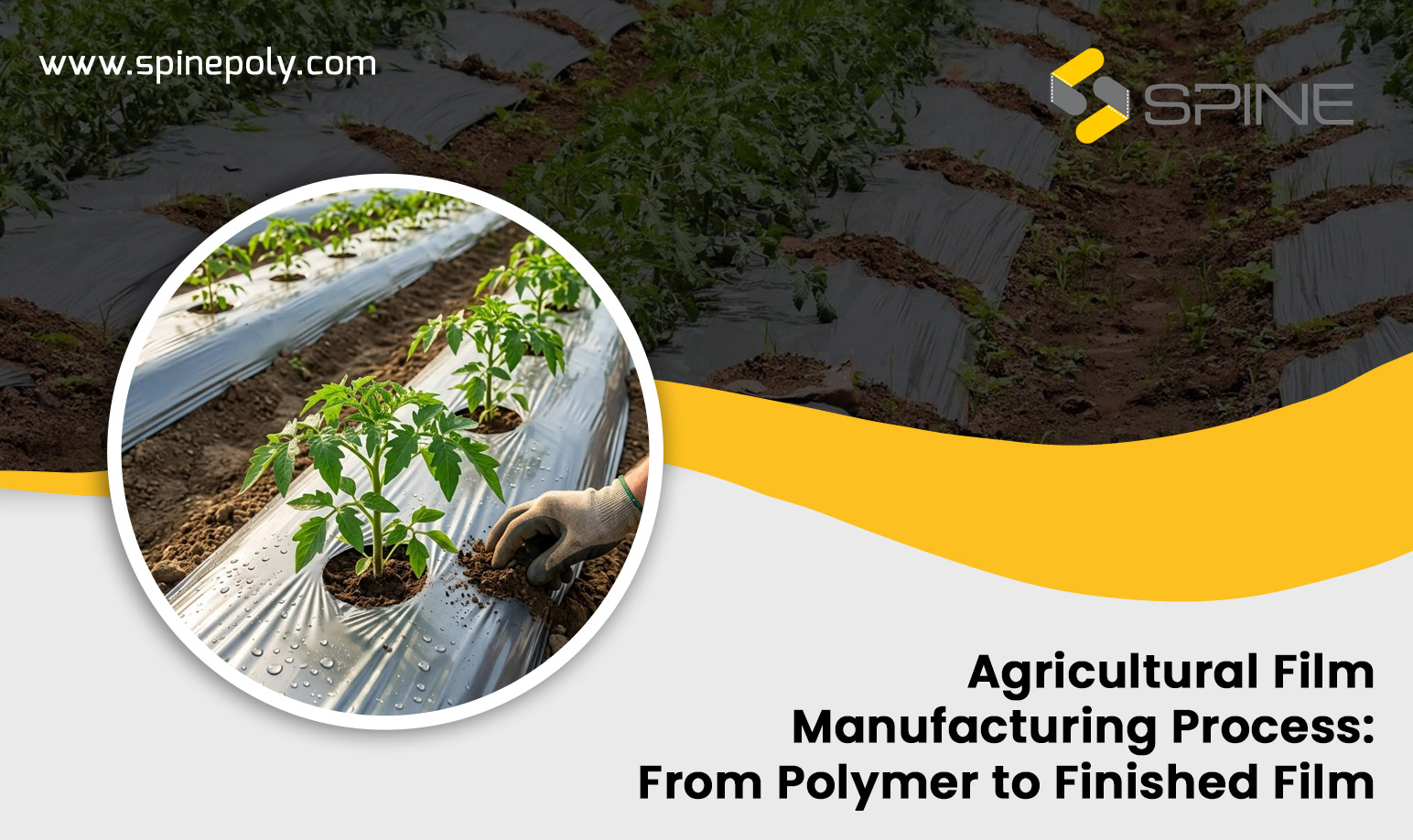
Mulch film is a thin sheet of polyethylene spread over soil to improve growing conditions for crops. It acts as a protective layer that controls soil temperature, moisture, weeds, and pests.
Modern plastic mulch film is engineered for durability, consistency, and efficiency, making it far superior to traditional organic mulching methods like straw or leaves.
Quick Definition
Mulch film is a 15–50 micron polyethylene sheet used to retain moisture, suppress weeds, regulate soil temperature, and improve crop yield.
How Mulch Film Works
The effectiveness of mulch film lies in its ability to create a controlled microclimate. Here’s how:
1. Soil Temperature Regulation
Mulch film helps maintain optimal soil temperature by trapping or reflecting heat. This leads to faster germination and better root development.
2. Moisture Conservation
By reducing evaporation, mulch film benefits include significant water savings, especially important in drought prone regions of India.
3. Weed Control
Opaque films block sunlight, preventing weed growth and reducing dependence on herbicides.
4. Soil Protection
It prevents soil erosion, compaction, and contamination, resulting in healthier crops and cleaner produce.
Types of Mulch Film
Choosing the right type of agricultural mulch film depends on your crop and climate:
Black Mulch Film
- Best for weed control
- Suitable for vegetables and fruits
- Most commonly used in India
Transparent Mulch Film
- Ideal for soil solarization
- Helps eliminate pests and pathogens
Silver Reflective Mulch Film
- Repels insects like aphids and whiteflies
- Reduces viral diseases
Silver Black Mulch Film
- Combines weed suppression and insect control
- Popular for high value crops
White / White Black Mulch Film
- Keeps soil cool in hot climates
- Ideal for summer crops
Biodegradable Mulch Film
- Eco friendly alternative
- Decomposes naturally in soil
Thermal (IR) Mulch Film
- Retains heat during cold nights
- Suitable for off season farming
Benefits of Mulch Film in Agriculture
Using plastic mulch film delivers multiple advantages:
- 30–50% Water Savings
- Faster Crop Growth & Early Harvests
- 20–40% Higher Yields
- Reduced Weed Growth
- Improved Crop Quality
- Better Fertilizer Efficiency
These benefits make mulch film a cost effective investment for farmers.
Applications of Mulch Film
Mulch film is widely used across crops and farming systems:
- Vegetables: Tomato, capsicum, cucumber, chilli
- Fruits: Strawberry, watermelon, banana
- Flower farming: Rose, marigold
- Greenhouse cultivation
- Soil solarization before planting
Its versatility makes it essential in modern farming practices.
Mulch Film + Drip Irrigation: A Smart Farming Solution
Combining mulch film with drip irrigation maximizes efficiency. This system delivers water and nutrients directly to plant roots while preventing evaporation.
Key Benefits:
- Up to 60% water savings
- Reduced fertilizer loss
- Lower disease risk
- Higher crop productivity
This method, also known as plasticulture, is widely supported by government subsidies in India.
Choosing the Right Mulch Film Thickness
Thickness plays a critical role in durability:
- 15–20 Microns: Short term crops
- 25–30 Microns: Ideal for most vegetables
- 40–50 Microns: Long duration and heavy duty use
Selecting the correct thickness ensures optimal performance and cost efficiency.
Environmental Impact & Sustainable Solutions
While plastic mulch film is highly effective, responsible usage is important.
At Spine Poly Tech, we focus on:
- Developing biodegradable mulch films
- Promoting recycling practices
- Enhancing product durability to reduce waste
Our goal is to support sustainable agriculture without compromising performance.
Why Choose Spine Poly Tech for Mulch Film?
Spine Poly Tech is committed to delivering high quality mulch film solutions in India that help farmers:
- Increase productivity
- Reduce input costs
- Improve crop quality
- Adopt sustainable farming practices
Conclusion
Mulch film is transforming Indian agriculture by improving efficiency, sustainability, and profitability. Whether you’re growing vegetables, fruits, or flowers, investing in the right mulch film in agriculture can significantly enhance your results.At Spine Poly Tech, we continue to innovate and support farmers with reliable, high performance agricultural films designed for real world success.
Recent Posts