How Anti-Static Films Protect Sensitive Medical Devices

Today’s medical device packaging has to do much more than just contain a product. It must protect sensitive equipment from contamination, moisture, dust, physical damage, and electrostatic discharge during storage and transportation. As medical technology continues to advance in 2026, anti-static films have become an essential packaging solution for protecting delicate medical devices and electronic components.

At Spinepoly Tech, we understand that packaging quality directly impacts product safety, reliability, and performance. For medical and healthcare industries, even minor packaging failures can create serious operational and quality concerns. This is why anti-static films are playing an increasingly important role in modern medical packaging applications.

Understanding Static Electricity in Medical Packaging

Static electricity is an electrical charge that builds up on the surface of materials due to friction, movement, or contact between surfaces. In everyday situations, static may seem harmless, but for medical devices containing electronic components, static discharge can become a serious risk.

Many medical products today contain sensors, microcircuits, diagnostic chips, monitoring systems and electronic accessories that are very sensitive to electrostatic discharge. Even a small static shock can affect device accuracy, damage internal components, or reduce long term product reliability.

This is one of the main reasons why anti-static packaging films are now widely used in the healthcare and medical device industries.

How Anti-Static Films Work

Anti-static films are specially engineered packaging materials designed to reduce and control static charge buildup on the film surface. These films typically contain anti-static additives or surface treatments that help safely dissipate electrical charges instead of allowing them to accumulate.

By minimizing static buildup, anti-static films help reduce the risk of electrostatic discharge during packaging, storage, handling, and transportation. This additional protection level is very important for sensitive medical products where secure and stable packaging conditions are needed.

Protection for Sensitive Electronic Medical Devices

Medical technology is becoming increasingly dependent on electronic systems for monitoring, diagnosis, testing, and treatment. Devices such as diagnostic kits, wearable medical equipment, surgical device components, monitoring accessories, and laboratory instruments all require reliable packaging protection.

Anti-static films help protect these sensitive products from invisible electrical damage that may occur during production or logistics. In many cases, electrostatic damage may not be immediately visible, but it can weaken electronic performance over time and lead to future device failure.

Using anti-static packaging films helps manufacturers improve product reliability while reducing the risk of costly damage during handling and distribution.

Reducing Dust and Particle Attraction

Static charge can attract airborne dust, fibers, and small particles onto packaging surfaces. In medical packaging environments, maintaining cleanliness is extremely important because contamination can affect product safety and performance.

Anti-static films help reduce particle attraction, supporting cleaner packaging conditions and improved product protection. This makes them highly suitable for medical devices that require hygienic handling and controlled packaging environments.

In healthcare packaging, the risks of contamination must be restricted as much as the product must be protected.

Improving Packaging Line Efficiency

Static buildup can also create operational challenges during manufacturing and packaging processes. Standard films may cling together, stick to machinery, or become difficult to handle during high-speed production.

Anti-static films improve packaging efficiency by reducing unwanted sticking and improving material handling performance. This allows packaging operations to run more smoothly while reducing downtime, production interruptions, and material waste.

For manufacturers operating automated packaging systems, improved film handling can significantly enhance production consistency and operational efficiency.

Better Protection During Transportation and Storage

Medical devices often travel through multiple environments before reaching hospitals, clinics, laboratories, or distributors. During transportation, friction between packaging materials and surfaces can generate static charges that may affect sensitive products.

Anti-static films provide additional protection throughout the supply chain by helping control static buildup during shipping and storage. This added safety helps maintain product integrity until the device reaches its final destination.

Reliable transportation protection is especially important for high value and precision medical products that cannot tolerate packaging related damage.

Choosing the Right Anti-Static Packaging Solution

Selecting the right anti-static film depends on the specific requirements of the medical device being packaged. Factors such as barrier protection, seal strength, cleanliness, sterilization compatibility, flexibility, and regulatory expectations must all be considered carefully.

Proper film selection ensures that the packaging protects the product without affecting device quality, usability, or performance. As healthcare standards evolve in 2026, manufacturers are focusing more on packaging solutions offering safety, efficiency and reliability.

At Spinepoly Tech, we provide advanced packaging film solutions designed to meet the changing needs of medical and healthcare industries.

Conclusion

Anti-static films have become an essential part of modern medical device packaging because they help reduce electrostatic discharge, minimize dust attraction, improve handling efficiency, and support safer transportation. As medical technology continues becoming more advanced and electronics driven, the demand for reliable protective packaging solutions will continue to grow.

At Spinepoly Tech, we remain committed to delivering high quality packaging film solutions that help businesses protect sensitive medical products with confidence, safety, and long term reliability.
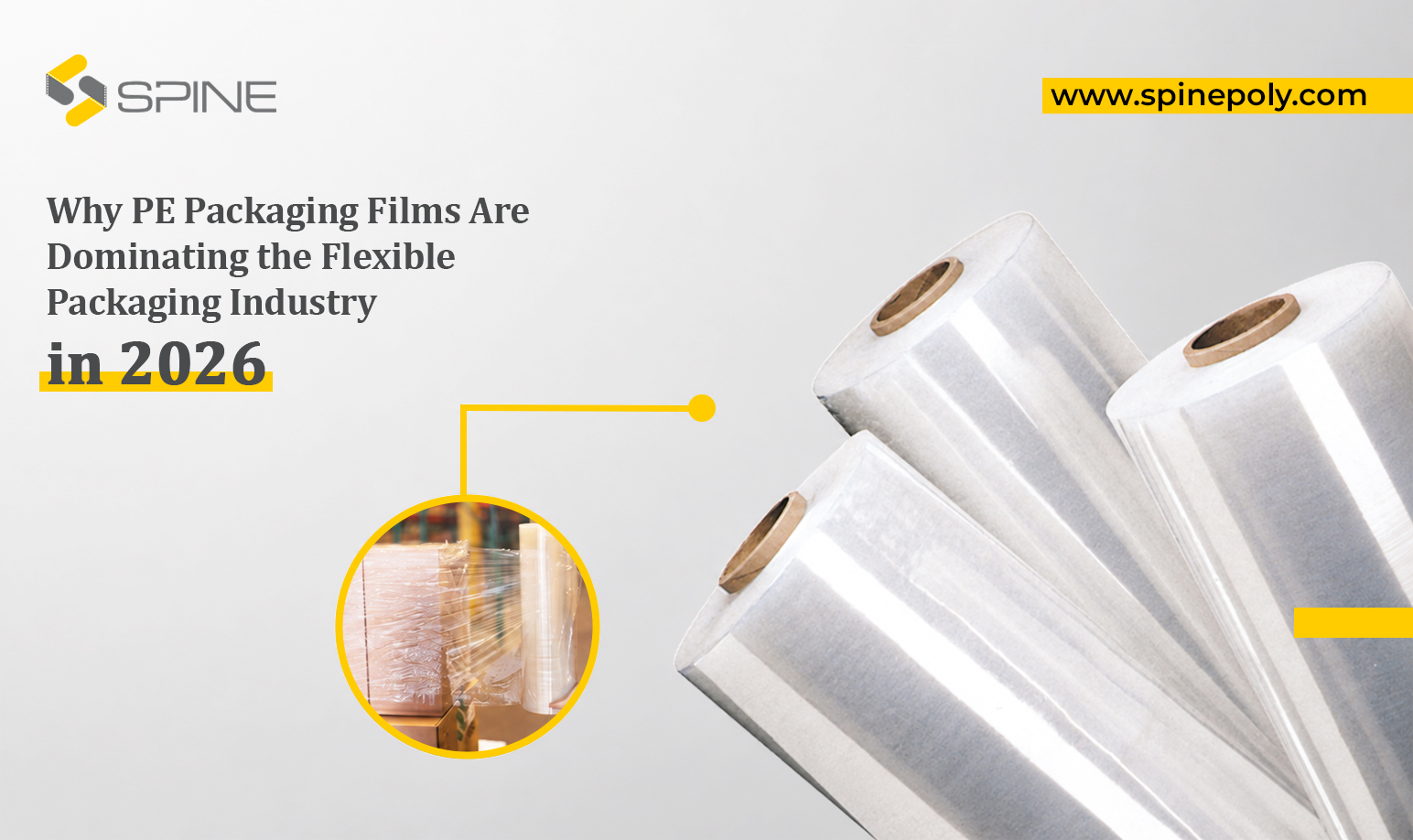
Why PE Packaging Films Are Dominating the Flexible Packaging Industry in 2026

The flexible packaging industry is evolving rapidly, and in 2026, PE packaging films continue to dominate the market across multiple industries. From food packaging and healthcare products to industrial materials and e-commerce shipments, businesses are increasingly choosing polyethylene films because they combine durability, flexibility, efficiency, and affordability in one packaging solution.

At Spinepoly Tech, we believe packaging today is much more than simple product wrapping. Modern packaging must protect products, support branding, improve logistics, maintain hygiene, and align with sustainability goals. PE packaging films have become the preferred choice because they successfully meet all these growing industry demands.

High Flexibility for Different Packaging Applications

One of the key advantages of PE packaging films is their exceptional flexibility. These films can be manufactured in different sizes, thicknesses, textures, and performance levels depending on the product requirement.

Whether industries require stretch wrapping, shrink packaging, protective liners, industrial covers, or flexible pouches, PE films can be customized to deliver reliable performance. Their adaptability allows manufacturers to use them across both lightweight consumer packaging and heavy duty industrial applications.

This versatility makes PE films suitable for industries such as food processing, pharmaceuticals, agriculture, textiles, construction, and consumer goods.

Lightweight Yet Strong Packaging Solution

Modern supply chains demand packaging that is strong without adding unnecessary weight. PE films offer an ideal balance between lightweight structure and durable protection.

Their low weight helps businesses reduce transportation costs, improve storage efficiency, and simplify product handling during shipping. Despite being lightweight, PE packaging films provide excellent resistance against tearing, punctures, and external damage.

For businesses managing large scale distribution or e-commerce deliveries, lightweight packaging can significantly improve operational efficiency while lowering overall logistics expenses.

Excellent Moisture and Contamination Protection

Moisture remains one of the biggest threats to product quality during storage and transportation. PE packaging films are highly effective at resisting moisture, dust, and external contaminants, helping products remain protected for longer periods.

Industries such as food packaging, chemicals, pharmaceuticals, electronics, and industrial manufacturing rely heavily on this protective performance. By creating a strong barrier against environmental exposure, PE films help maintain product quality, hygiene, and shelf stability.

This is one of the major reasons why PE films continue to dominate flexible packaging solutions worldwide.

Reliable Heat Sealing Performance

Efficient sealing is essential for successful flexible packaging. Weak seals can lead to leakage, contamination, reduced shelf life, and product damage. PE films are widely preferred because of their dependable heat sealing properties.

They work efficiently on high speed automatic packaging machines, making them suitable for modern manufacturing environments where productivity and consistency are critical.

As industries continue investing in automation and faster packaging systems in 2026, materials that support smooth machine performance are becoming increasingly important. PE packaging films help businesses maintain operational speed without compromising packaging quality.

Supporting Sustainable Packaging Goals

Sustainability has become a major factor influencing packaging decisions across industries. Businesses are actively searching for packaging materials that support recycling initiatives and reduce unnecessary waste.

PE packaging films are gaining strong market preference because they can be designed for recyclable and mono material packaging applications. Compared to complex multi layer packaging structures, PE-based solutions can simplify recycling processes when developed responsibly.

Many manufacturers are now shifting toward PE flexible packaging systems to support long term environmental goals while maintaining packaging performance and cost efficiency.

At Spinepoly Tech, we focus on delivering packaging film solutions that help businesses balance performance, protection, and evolving sustainability expectations.

Cost Effective for Large Scale Manufacturing

Another major reason behind the growing demand for PE packaging films is their cost effectiveness. Businesses require packaging materials that deliver reliable performance without significantly increasing production costs.

PE films provide excellent value because they can be produced efficiently at large scale while still offering customization options such as transparency, strength, color, printing compatibility, and surface finish.

Their affordability makes them a practical solution for industries looking to improve packaging quality while maintaining budget control.

Rising Demand in E Commerce and Industrial Packaging

The rapid growth of e-commerce and global logistics has created increasing demand for flexible packaging materials that can withstand transportation challenges.

PE films help protect products from moisture, scratches, dust, and transit related damage during shipping and storage. Their flexibility and durability make them highly effective for courier packaging, industrial wrapping, pallet protection, and bulk product handling.

Industrial sectors also use PE films extensively for packaging machinery parts, construction materials, raw materials, and heavy duty products that require dependable protective wrapping.

Conclusion

In 2026, PE packaging films continue to lead the flexible packaging industry because they offer the perfect combination of flexibility, durability, moisture resistance, sealing efficiency, and affordability. As industries continue searching for smarter and more sustainable packaging solutions, PE films remain a trusted choice for modern packaging applications.

At Spinepoly Tech, we are committed to providing high quality PE packaging film solutions designed to help businesses improve product protection, streamline operations, and stay prepared for the future of packaging innovation.

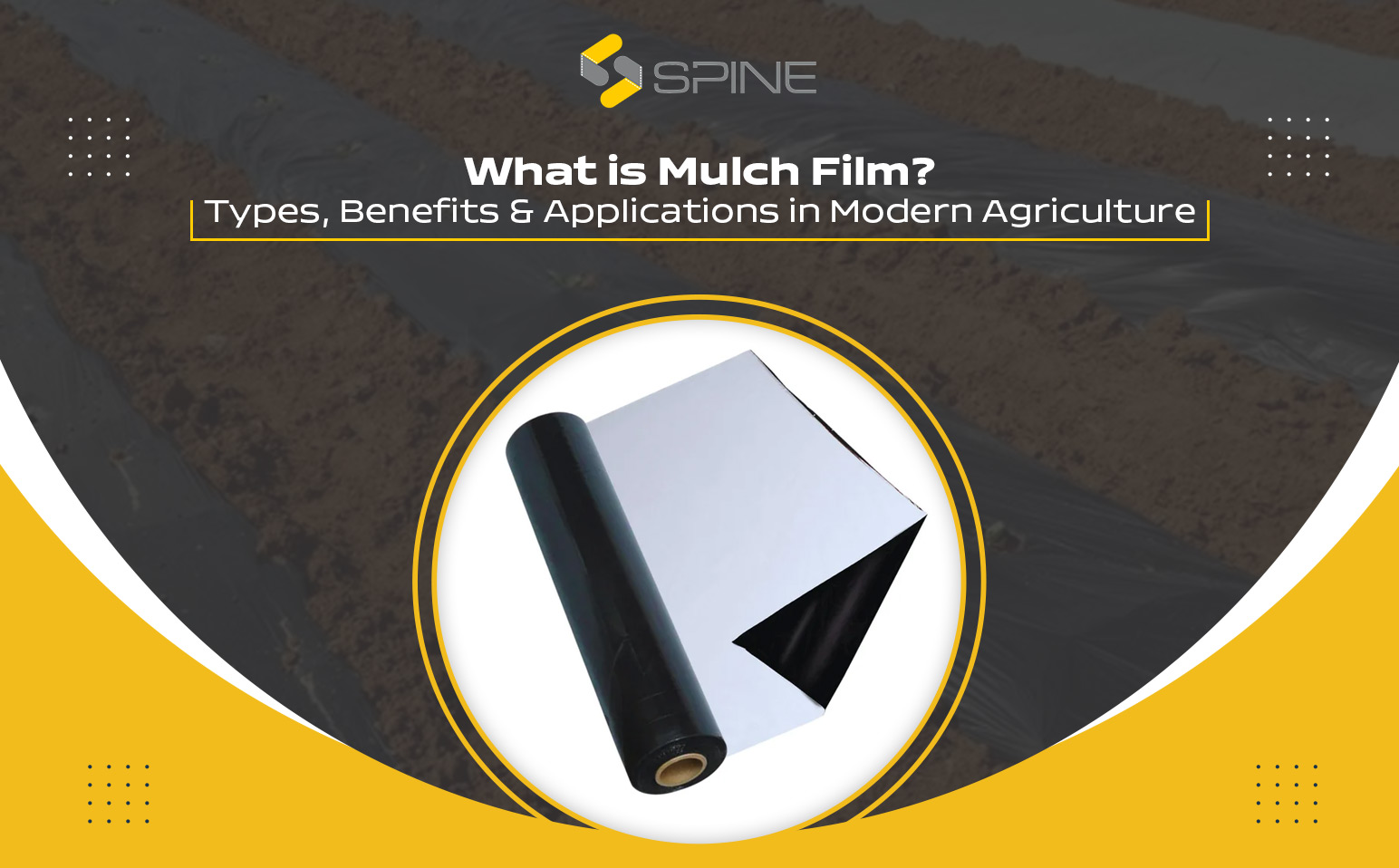
What is Mulch Film? Types, Benefits & Applications in Modern Agriculture

Across India’s agricultural landscape, a quiet transformation is reshaping how crops are grown. From Maharashtra’s strawberry farms to Rajasthan’s watermelon fields, mulch film in agriculture is emerging as a powerful tool for boosting productivity and sustainability.

At Spine Poly Tech, we work closely with farmers and agronomists to develop high performance agricultural mulch film solutions that address real world challenges. This guide explains everything you need to know from types and benefits to practical applications.

What Is Mulch Film in Agriculture?

Mulch film is a thin sheet of polyethylene spread over soil to improve growing conditions for crops. It acts as a protective layer that controls soil temperature, moisture, weeds, and pests.

Modern plastic mulch film is engineered for durability, consistency, and efficiency, making it far superior to traditional organic mulching methods like straw or leaves.

Quick Definition

Mulch film is a 15–50 micron polyethylene sheet used to retain moisture, suppress weeds, regulate soil temperature, and improve crop yield.

How Mulch Film Works

The effectiveness of mulch film lies in its ability to create a controlled microclimate. Here’s how:

1. Soil Temperature Regulation

Mulch film helps maintain optimal soil temperature by trapping or reflecting heat. This leads to faster germination and better root development.

2. Moisture Conservation

By reducing evaporation, mulch film benefits include significant water savings, especially important in drought prone regions of India.

3. Weed Control

Opaque films block sunlight, preventing weed growth and reducing dependence on herbicides.

4. Soil Protection

It prevents soil erosion, compaction, and contamination, resulting in healthier crops and cleaner produce.

Types of Mulch Film

Choosing the right type of agricultural mulch film depends on your crop and climate:

Black Mulch Film

  • Best for weed control
  • Suitable for vegetables and fruits
  • Most commonly used in India

Transparent Mulch Film

  • Ideal for soil solarization
  • Helps eliminate pests and pathogens

Silver Reflective Mulch Film

  • Repels insects like aphids and whiteflies
  • Reduces viral diseases

Silver Black Mulch Film

  • Combines weed suppression and insect control
  • Popular for high value crops

White / White Black Mulch Film

  • Keeps soil cool in hot climates
  • Ideal for summer crops

Biodegradable Mulch Film

  • Eco friendly alternative
  • Decomposes naturally in soil

Thermal (IR) Mulch Film

  • Retains heat during cold nights
  • Suitable for off season farming
Benefits of Mulch Film in Agriculture

Using plastic mulch film delivers multiple advantages:

  • 30–50% Water Savings
  • Faster Crop Growth & Early Harvests
  • 20–40% Higher Yields
  • Reduced Weed Growth
  • Improved Crop Quality
  • Better Fertilizer Efficiency

These benefits make mulch film a cost effective investment for farmers.

Applications of Mulch Film

Mulch film is widely used across crops and farming systems:

  • Vegetables: Tomato, capsicum, cucumber, chilli
  • Fruits: Strawberry, watermelon, banana
  • Flower farming: Rose, marigold
  • Greenhouse cultivation
  • Soil solarization before planting

Its versatility makes it essential in modern farming practices.

Mulch Film + Drip Irrigation: A Smart Farming Solution

Combining mulch film with drip irrigation maximizes efficiency. This system delivers water and nutrients directly to plant roots while preventing evaporation.

Key Benefits:

  • Up to 60% water savings
  • Reduced fertilizer loss
  • Lower disease risk
  • Higher crop productivity

This method, also known as plasticulture, is widely supported by government subsidies in India.

Choosing the Right Mulch Film Thickness

Thickness plays a critical role in durability:

  • 15–20 Microns: Short term crops
  • 25–30 Microns: Ideal for most vegetables
  • 40–50 Microns: Long duration and heavy duty use

Selecting the correct thickness ensures optimal performance and cost efficiency.

Environmental Impact & Sustainable Solutions

While plastic mulch film is highly effective, responsible usage is important.

At Spine Poly Tech, we focus on:

  • Developing biodegradable mulch films
  • Promoting recycling practices
  • Enhancing product durability to reduce waste

Our goal is to support sustainable agriculture without compromising performance.

Why Choose Spine Poly Tech for Mulch Film?

Spine Poly Tech is committed to delivering high quality mulch film solutions in India that help farmers:

  • Increase productivity
  • Reduce input costs
  • Improve crop quality
  • Adopt sustainable farming practices
Conclusion

Mulch film is transforming Indian agriculture by improving efficiency, sustainability, and profitability. Whether you’re growing vegetables, fruits, or flowers, investing in the right mulch film in agriculture can significantly enhance your results.At Spine Poly Tech, we continue to innovate and support farmers with reliable, high performance agricultural films designed for real world success.