How Smart Packaging Films Improve Logistics and Transportation Safety

In the fast moving world of global trade, products rarely stay in one place for long. They travel across cities, cross borders, switch between trucks, ships, and warehouses, and pass through countless hands before reaching the end customer. Every step in this journey introduces risks, damage, contamination, temperature changes, theft, and delays. This is exactly where smart packaging films are changing the game.

At Spine Poly Tech, we have seen first hand how the right packaging film can make the difference between a product arriving in perfect condition or being written off as a loss. Smart packaging films are no longer just protective layers; they are intelligent tools that safeguard goods, streamline logistics, and bring transparency to every stage of transportation.

What Exactly Are Smart Packaging Films?

Smart packaging films go far beyond traditional wraps and pouches. They are engineered with advanced materials and often integrated with technologies like sensors, indicators, RFID tags, QR codes, and barrier coatings. These films can monitor conditions, communicate information, and respond to environmental changes during transit.

In simple terms, they think, sense, and protect, making them one of the most valuable innovations in the modern supply chain.

Protecting Products Through Every Mile of the Journey

Transportation is rough on packaging. Vibrations from long haul trucks, sudden temperature drops in cargo holds, humidity in shipping containers, and rough handling at distribution centers can all take a toll on goods. Smart packaging films are designed to absorb these challenges without compromising the product inside.

High performance stretch films, for instance, keep palletized goods tightly secured during long journeys. Shrink films lock items in place and prevent shifting. Multi layer barrier films protect sensitive products from moisture, oxygen, and contamination. The result is fewer damaged shipments, fewer returns, and significantly lower losses for businesses.

Real Time Monitoring and Traceability

One of the biggest advantages of smart packaging films is the ability to track and trace products in real time. Films embedded with QR codes or RFID chips allow logistics teams to monitor exactly where a shipment is, how it has been handled, and whether it has experienced any irregularities during transit.

For industries like pharmaceuticals, food, and electronics, this level of visibility is essential. A temperature sensitive vaccine, for example, can be tracked from the manufacturer all the way to the clinic, with alerts triggered if storage conditions ever fall outside the safe range. This not only protects the product but also ensures compliance with strict industry regulations.

Tamper Evidence and Anti Counterfeiting

Cargo theft and counterfeit products cost the global economy billions every year. Smart packaging films help combat both. Tamper evident films clearly show if a package has been opened or interfered with during transit, giving recipients confidence that what they receive is genuine and untouched.

Some advanced films also include holographic patterns, microtext, or invisible markings that are difficult to replicate. This added security layer is especially valuable for high value goods, luxury items, and pharmaceuticals where authenticity is non negotiable.

Temperature and Freshness Indicators

Cold chain logistics is one of the most complex parts of global transportation. Even a small lapse in temperature control can ruin perishable goods. Smart packaging films equipped with temperature indicators provide a visible signal when products have been exposed to unsafe conditions.

Similarly, freshness indicators on food packaging films can tell handlers and customers whether a product is still safe to consume. This reduces food waste, prevents health risks, and builds consumer trust, all while making logistics teams more accountable.

Reducing Weight Without Compromising Strength

Modern smart films are remarkably lightweight, yet incredibly strong. Thanks to innovations in polymer technology and multi layer extrusion, manufacturers can now produce thinner films that deliver superior performance. For logistics companies, this translates into lower shipping weights, reduced fuel consumption, and lower transportation costs.

Lighter packaging also means more efficient use of cargo space, allowing businesses to ship more products per trip. It is a small change with a huge impact on both profitability and sustainability.

Supporting Sustainable Logistics

Sustainability is no longer optional in modern supply chains. Smart packaging films are increasingly being designed with recyclable, biodegradable, or bio based materials. This helps companies meet environmental goals while still benefiting from advanced protection.

When fewer products are damaged in transit, fewer replacements need to be manufactured and shipped. That means less waste, lower carbon emissions, and a more efficient supply chain overall. Smart films, in this sense, are not just protecting products, they are protecting the planet too.

Streamlining Warehouse and Distribution Operations

Smart packaging films also make warehouse operations smoother. RFID enabled films allow for automated scanning, faster inventory checks, and reduced manual errors. Workers can quickly identify, sort, and dispatch goods without opening every package. This speeds up operations, reduces labor costs, and minimizes the chance of misrouted shipments.

In an era where same day and next day delivery are becoming the norm, this kind of efficiency is invaluable.

Building Customer Trust Through Transparency

Today’s customers want to know more about the products they buy, where they came from, how they were handled, and whether they are authentic. Smart packaging films make this transparency possible. A simple scan of a QR code can reveal the entire journey of a product, building trust and loyalty between brands and their customers.

For businesses, this is not just good service; it is a powerful competitive advantage.

The Road Ahead

As global supply chains become more complex, the demand for intelligent, reliable, and sustainable packaging will only grow. Smart packaging films are at the forefront of this evolution, blending advanced materials with digital innovation to create safer, smarter logistics systems.

At Spine Poly Tech, we are proud to contribute to this transformation by delivering high quality films that meet the real world challenges of transportation and logistics. Our focus is simple, to provide packaging solutions that protect products, support businesses, and adapt to the future of global trade.

Final Thoughts

Smart packaging films are no longer a luxury; they are a necessity in modern logistics. They reduce damage, prevent loss, improve traceability, and bring a new level of intelligence to the supply chain. As technology continues to advance, these films will play an even bigger role in shaping how the world moves goods safely and efficiently.
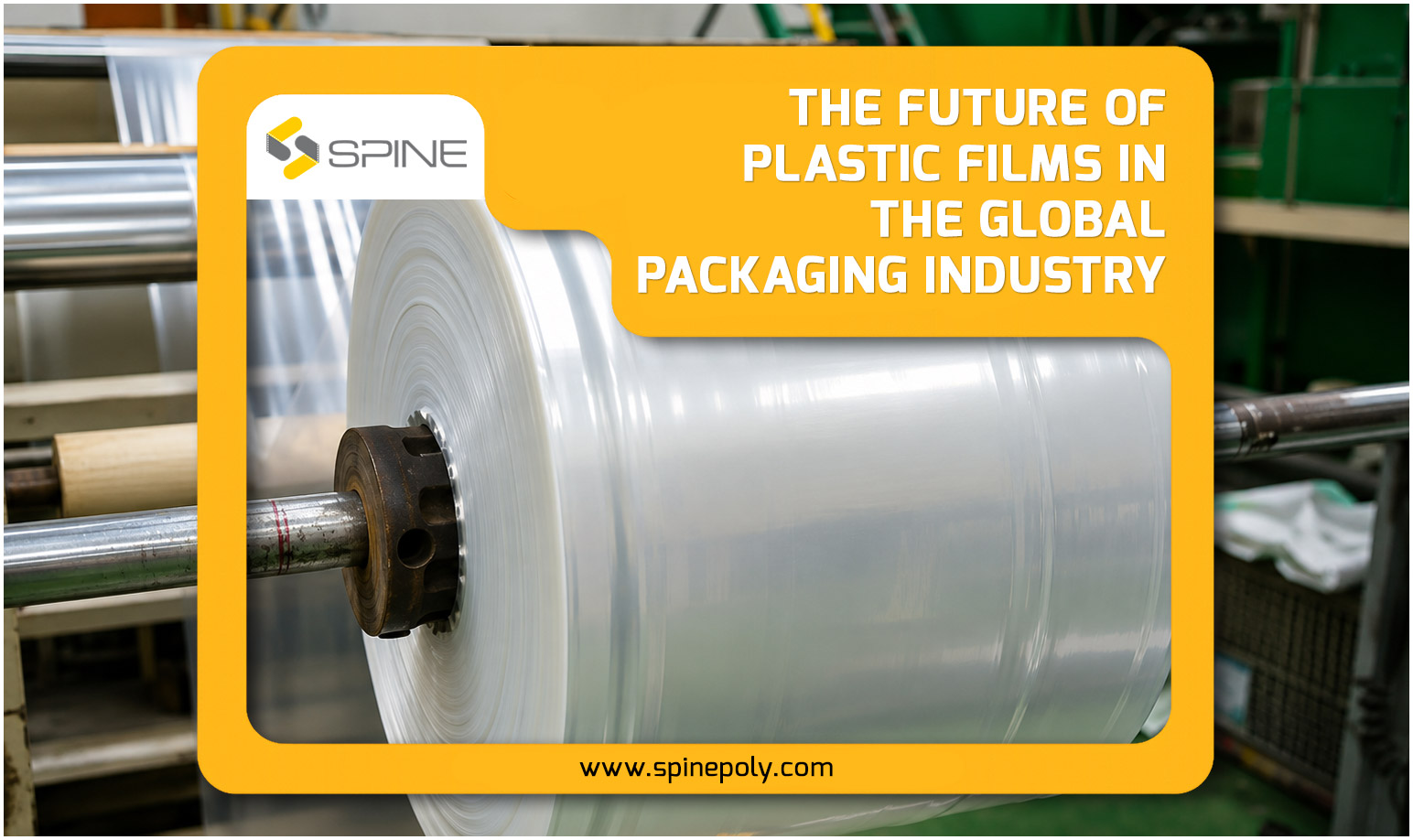
The Future of Plastic Films in the Global Packaging Industry

Packaging has become much more than a protective covering. In today’s competitive marketplace, it plays a critical role in product safety, brand perception, supply chain efficiency, and environmental responsibility. As industries evolve and consumer expectations continue to rise, plastic films remain one of the most important materials driving packaging innovation across the globe.

At Spine Poly Tech, we have witnessed how plastic films have transformed from simple packaging materials into highly engineered solutions that help businesses improve performance, reduce costs, and meet sustainability goals. The future of plastic films is being shaped by technology, changing regulations, and a growing focus on environmentally responsible manufacturing.

Why Plastic Films Continue to Lead the Packaging Industry

Despite the emergence of alternative materials, plastic films remain a preferred packaging choice for manufacturers worldwide. Their lightweight structure, flexibility, durability, and cost-effectiveness make them suitable for a wide range of industries, including food processing, pharmaceuticals, agriculture, healthcare, retail, and industrial manufacturing.

Plastic films help reduce packaging weight, protect products from contamination, improve storage life, and lower transportation costs. These advantages ensure that they will continue to play a vital role in global packaging systems for years to come.

Sustainability Is Driving the Next Generation of Films

Environmental concerns are influencing packaging decisions more than ever before. Businesses are actively searching for solutions that reduce waste while maintaining product protection and performance.

This shift has accelerated the development of recyclable plastic films, films containing recycled content, and packaging structures designed to support circular economy initiatives. Manufacturers are also exploring renewable raw materials and innovative production techniques that minimize environmental impact.

At Spine Poly Tech, we recognize that sustainability is no longer an optional feature. It is becoming an essential requirement for businesses looking to stay competitive in both domestic and international markets.

High-Performance Films for Better Product Protection

Future packaging solutions must deliver stronger protection while using fewer resources. This demand is encouraging advancements in film technology that improve resistance against moisture, oxygen, dust, chemicals, and other external factors.

Modern barrier films help maintain product quality, extend shelf life, and reduce spoilage during storage and transportation. These improvements are particularly important for food products, medical supplies, and sensitive industrial materials where product integrity is critical.

As technology advances, manufacturers are creating thinner yet stronger films that provide excellent protection without increasing material consumption.

Smart Packaging Is Becoming a Reality

Packaging is gradually becoming more interactive and intelligent. The integration of digital technologies into packaging materials is opening new possibilities for manufacturers and consumers alike.

In the future, plastic films may incorporate traceability systems, authentication tools, freshness indicators and interactive elements that enable consumers to access information about the product through their smartphones. These innovations improve supply chain visibility while enhancing customer engagement.

The adaptability of plastic films makes them an ideal platform for supporting the growth of smart packaging solutions across multiple industries.

E-Commerce Is Expanding Demand for Flexible Packaging

The rapid growth of online shopping has significantly changed packaging requirements. Products are now shipped across longer distances and handled multiple times before reaching customers.

This trend has increased demand for durable and lightweight packaging materials that can withstand transportation challenges while keeping shipping expenses under control. Plastic films offer an effective solution by providing strength, flexibility, and protection without adding unnecessary weight.

As global e-commerce continues to expand, the need for customized and high-performance film packaging is expected to grow substantially.

Manufacturing Is Becoming More Advanced

The future of plastic film production is closely tied to technological advancement. Modern manufacturing facilities are increasingly using automation, real-time monitoring systems, and data-driven quality control processes.

These innovations allow manufacturers to improve consistency, reduce material waste, optimize energy usage, and enhance production efficiency. Advanced extrusion technologies are also enabling the creation of films with superior mechanical properties and improved performance characteristics.

At Spine Poly Tech, continuous improvement and technological advancement remain key priorities in delivering reliable packaging solutions to our customers.

Regulatory Changes Will Encourage Innovation

Governments and regulatory authorities worldwide are introducing stricter packaging standards focused on recyclability, waste reduction, and environmental accountability.

While these changes create new challenges for manufacturers, they also encourage innovation and investment in better packaging technologies. Companies that proactively adapt to evolving regulations will be better positioned to serve future market demands.

The packaging industry is moving towards a balance of performance, compliance and sustainability and this creates opportunities for progressive manufacturers to become market leaders.

The Road Ahead for Plastic Films

The future of plastic films is not about choosing between performance and sustainability. It is about combining both. The next generation of packaging materials will be lighter, stronger, smarter, and more environmentally responsible.

We expect continued progress in recyclable film structures, advanced barrier technologies, intelligent packaging systems, and resource-efficient manufacturing methods. Collaboration between manufacturers, brands, and recycling ecosystems will further accelerate the development of sustainable packaging solutions.

Conclusion

Plastic films remain a cornerstone of modern packaging because they offer a unique combination of versatility, protection, efficiency, and affordability. As industries embrace new technologies and sustainability initiatives, these materials will continue to evolve and create new opportunities for businesses worldwide.

At Spine Poly Tech, we are committed to supporting this transformation through innovative plastic film solutions that meet the changing needs of modern industries. By focusing on quality, performance, and responsible manufacturing, we aim to help businesses build stronger packaging strategies for the future while contributing to a more sustainable world.

Industrial Packaging Trends That Will Shape the Next Decade

Industrial packaging is evolving faster than ever before. What was once viewed simply as a protective covering for products has now become a critical part of supply chain management, product safety, operational efficiency, branding, and sustainability. As industries continue to modernize, packaging will play a much larger role in helping businesses reduce costs, improve logistics, and meet changing market expectations.

Over the next decade, industrial packaging solutions will become smarter, lighter, more sustainable, and highly performance driven. At Spinepoly Tech, we believe businesses that adapt early to these packaging trends will be better positioned for long term growth and operational success.

Sustainability Will Drive Packaging Innovation

Sustainability is no longer optional in industrial packaging. Companies across the world are under increasing pressure to reduce waste, improve recyclability, and use packaging materials more responsibly.

This shift is creating strong demand for recyclable packaging films, mono material structures, downgauged films, and reusable industrial packaging systems. Businesses are now looking for packaging solutions that provide reliable product protection while also reducing environmental impact.

In the coming years, sustainable packaging will become a major deciding factor for manufacturers, distributors, and industrial buyers when selecting packaging suppliers.

Lightweight Packaging Will Continue Growing

Reducing packaging weight is becoming increasingly important for industrial operations. Lightweight packaging helps lower transportation costs, reduce fuel consumption, improve warehouse efficiency, and simplify product handling.

Flexible packaging films are gaining popularity because they offer strong protection without the extra weight associated with rigid packaging materials. Over the next decade, many industries will continue shifting toward lightweight film based packaging solutions wherever possible.

This trend is especially important for sectors managing large scale logistics and global supply chains where even small weight reductions can create significant cost savings.

Rising Demand for Customized Packaging Films

Industrial packaging needs are becoming more specialized. Different industries require different levels of protection depending on the nature of their products.

For example, electronics may require anti static protection, construction materials may need UV resistance, chemicals may require strong barrier protection, and industrial machinery parts may need puncture resistant packaging films.

As a result, the demand for customized industrial packaging films will continue increasing. Businesses will look for packaging solutions designed specifically for their operational and product requirements rather than relying only on standard packaging materials.

At Spinepoly Tech, we understand the importance of delivering packaging film solutions that match industry specific performance needs.

Packaging Materials Designed for Automation

Automation is transforming manufacturing and logistics operations across industries. Modern packaging materials must now perform efficiently on automated sealing systems, wrapping lines, robotic handling equipment, and high speed packaging machines.

Industrial buyers are increasingly choosing films that provide consistent thickness, smooth machine performance, reliable sealing, and easy unwinding. Packaging materials that create downtime, sealing failures, or production interruptions are becoming less acceptable in highly automated environments.

Over the next decade, automation friendly packaging films will become a standard requirement for industrial manufacturing operations.

Smart Packaging and Digital Traceability

Industrial supply chains are becoming more connected and data driven. Smart packaging technologies such as QR codes, RFID tracking, digital labels, and batch identification systems are expected to become more common in industrial packaging.

These features help businesses improve inventory management, monitor shipments, reduce counterfeiting risks, and increase supply chain transparency.

As industries continue investing in digital transformation, packaging will increasingly support real time product tracking and operational visibility from manufacturing to final delivery.

Increased Focus on Product Protection

Industrial products are becoming more advanced, valuable, and sensitive. Electronics, precision equipment, medical components, automotive parts, and engineered machinery require packaging that protects against moisture, static, scratches, dust, and impact damage.

This is increasing demand for specialized protective packaging films such as anti static films, barrier films, and surface protection solutions.

Businesses are recognizing that better packaging protection helps reduce product damage, customer complaints, returns, and operational losses throughout the supply chain.

Supply Chain Stability Will Influence Packaging Decisions

Global supply chain disruptions over recent years have highlighted the importance of reliable packaging suppliers and consistent material availability.

Businesses are now prioritizing packaging partners who can deliver dependable quality, technical expertise, flexible manufacturing support, and long term reliability. Packaging consistency has become just as important as packaging performance.

Companies want packaging solutions that help maintain uninterrupted operations even during uncertain market conditions.

Cost Efficiency with Long Term Value

Industrial buyers will continue focusing on cost effective packaging solutions, but future purchasing decisions will increasingly consider total packaging value instead of only material price.

Low cost packaging that causes product damage, operational delays, or customer returns can ultimately increase overall business expenses. Companies are now looking for packaging materials that improve efficiency, reduce waste, and provide stronger long term performance.

The next decade will favor packaging solutions that successfully balance affordability, durability, operational efficiency, and product protection.

Conclusion

The future of industrial packaging will be shaped by sustainability, automation, customization, lightweight materials, smart tracking systems, and advanced protective performance. Businesses that invest in modern packaging solutions will improve operational efficiency, reduce product losses, and strengthen customer trust.

At Spinepoly Tech, we are committed to delivering innovative and reliable packaging film solutions designed to support the evolving needs of modern industries and prepare businesses for the future of industrial packaging.