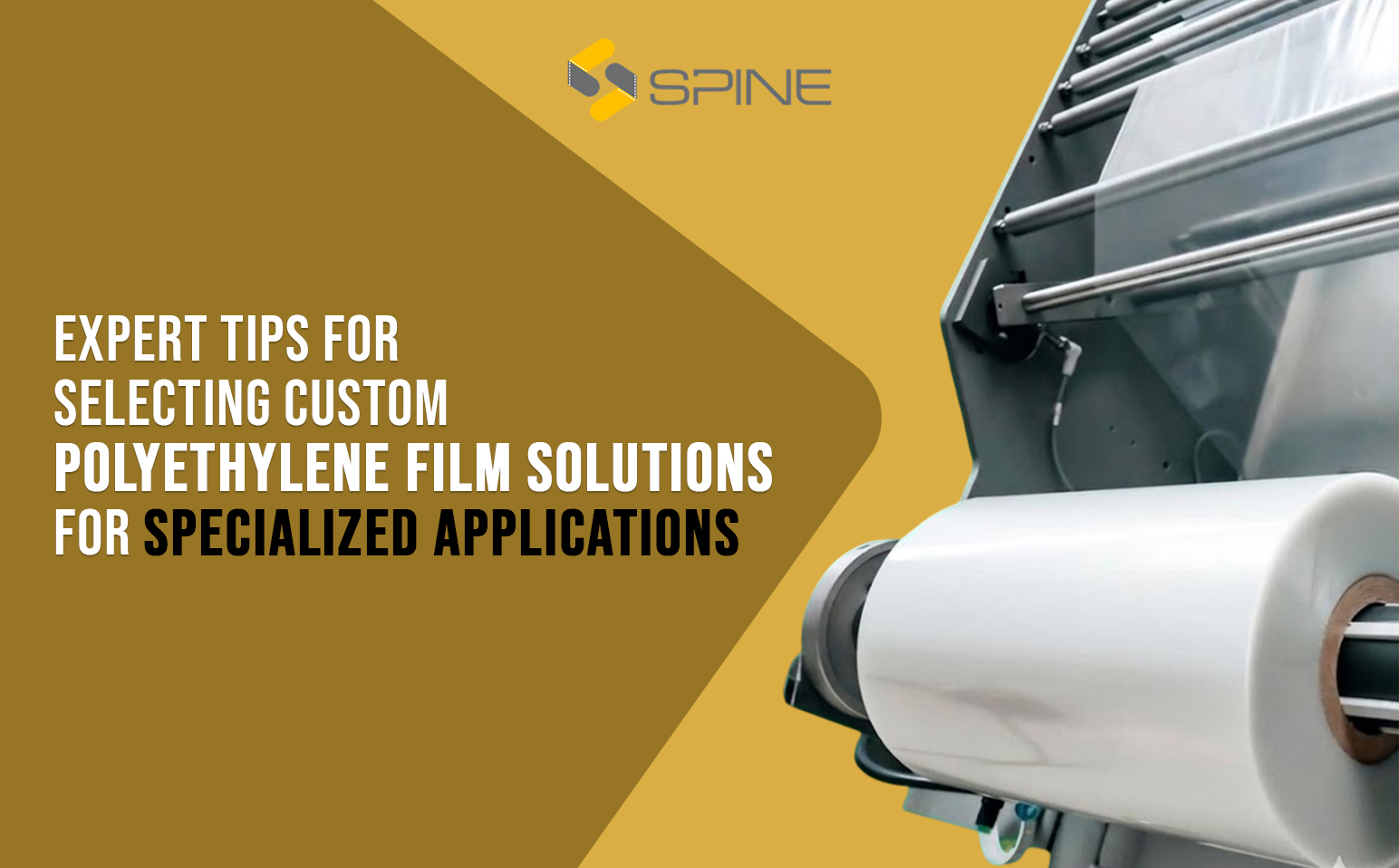
Expert Tips for Selecting Custom Polyethylene Film Solutions for Specialized Applications

Modern industries operate in highly demanding environments where materials must deliver reliability, protection, and efficiency. Whether used in packaging, construction, agriculture, or industrial applications, selecting the right material can significantly influence operational performance. Among the many options available, polyethylene film has become one of the most widely used materials due to its adaptability and durability.

At Spine Poly, we understand that every industry has unique requirements when it comes to packaging and protective materials. Custom polyethylene film solutions are designed to address these specialized needs, allowing businesses to achieve better product protection, improved efficiency, and cost effective performance. However, choosing the right polyethylene film requires careful evaluation of multiple factors.

This guide highlights expert tips to help businesses select the most suitable custom polyethylene film solutions for their specialized applications.

Understanding the Core Properties of Polyethylene Film

The first step in selecting the right polyethylene film is understanding its key properties. Polyethylene film is produced from polyethylene resin, a thermoplastic polymer known for its flexibility, strength, and resistance to moisture. These characteristics make it suitable for a wide range of industrial and commercial applications.

Several properties play an important role when evaluating polyethylene film solutions. Thickness, density, tensile strength, and barrier performance are among the most critical considerations. Film thickness determines the level of protection and durability, while density affects strength and flexibility. Tensile strength indicates how well the film can resist tearing or stretching during use.

Different grades of polyethylene are used depending on the application. For example, low density polyethylene (LDPE) films are valued for their flexibility and clarity, making them ideal for packaging applications. High density polyethylene (HDPE) films, on the other hand, offer higher strength and durability, making them suitable for more demanding industrial uses.

Partnering with an Experienced Manufacturer

Another critical factor when choosing custom polyethylene film solutions is the capability of the manufacturer. Not all manufacturers offer the same level of customization, quality control, or technical expertise.

Working with an experienced supplier like Spine Poly Films ensures that businesses receive tailored film solutions designed to meet specific industry challenges. An established manufacturer typically provides advanced production technology, strict quality assurance processes, and the ability to customize film characteristics such as thickness, width, additives, and performance properties.

In addition to manufacturing capabilities, companies should evaluate whether the supplier offers product testing, samples, and technical consultation. These services allow businesses to verify that the selected film will perform effectively in real world conditions before full scale production begins.

Choosing a reliable manufacturer not only guarantees product quality but also ensures consistent supply and long term support.

Considering the Specific Needs of Your Application

Every industry uses polyethylene film differently, which is why application specific requirements must always be considered during the selection process.

In the packaging industry, polyethylene films are commonly used to protect products from dust, moisture, and contamination during storage and transportation. For food packaging applications, films must also meet safety and hygiene standards while preserving product freshness.

In the construction sector, polyethylene films are often used as vapor barriers to prevent moisture infiltration in buildings. These films must be durable and capable of withstanding environmental exposure over long periods.

Agricultural applications require polyethylene films for uses such as greenhouse covers, mulch films, and crop protection sheets. These films must offer resistance to UV radiation and varying weather conditions.

By identifying the exact operating conditions, such as temperature exposure, humidity levels, chemical contact, or sunlight exposure businesses can select polyethylene films specifically engineered to perform under those circumstances.

Ensuring Equipment Compatibility

Another important consideration when selecting custom polyethylene film solutions is compatibility with existing machinery and processes. Packaging and manufacturing operations rely on equipment that requires materials with precise specifications.

Film width, thickness consistency, roll dimensions, and winding direction all affect how smoothly the material performs on packaging machines or production equipment. If the film is not compatible with the machinery, it can lead to operational disruptions, slower production speeds, or material waste.

Before finalizing a polyethylene film solution, it is advisable to test the material on the intended equipment. A trusted manufacturer will typically assist with technical guidance to ensure seamless integration into the production line.

Meeting Regulatory and Compliance Requirements

Depending on the industry, polyethylene films may need to comply with various regulatory standards. For example, films used in food packaging must meet strict food safety regulations to ensure that they do not contaminate the products they protect.

Similarly, certain industries require materials that comply with environmental guidelines, recycling standards, or industry certifications. Businesses should always verify that their chosen polyethylene film meets all relevant regulatory requirements.

A reputable manufacturer will provide proper documentation, product certifications, and testing reports to confirm compliance. This transparency helps businesses maintain product safety and avoid legal or operational risks.

The Value of Customization

One of the biggest advantages of polyethylene film is its ability to be customized according to specific operational needs. Custom film solutions may include special additives for UV protection, anti static properties, enhanced strength, or improved sealing performance.

Customization allows businesses to develop packaging or protective solutions that are perfectly aligned with their product and operational environment. Rather than relying on generic materials, custom films deliver higher efficiency and better performance in specialized applications.

Conclusion

Selecting the right polyethylene film solution is a critical decision that can influence product quality, operational efficiency, and overall business performance. By understanding film properties, evaluating manufacturer capabilities, considering application requirements, and ensuring regulatory compliance, businesses can make well informed decisions when choosing polyethylene film materials.At Spine Poly, we specialize in developing high quality custom polyethylene film solutions designed to meet the diverse needs of modern industries. Our commitment to innovation, quality, and customer collaboration ensures that businesses receive reliable materials tailored to their specific applications.
The Key Differences Between LDPE and HDPE Films for Industrial Packaging Explained

In modern industrial packaging, selecting the right material plays a critical role in protecting products during storage, transportation, and distribution. Businesses today require packaging films that are strong, reliable, and cost efficient while also meeting sustainability expectations.

Two of the most widely used materials in industrial packaging are Low Density Polyethylene (LDPE) films and High Density Polyethylene (HDPE) films. Each offers unique advantages and performs differently depending on the application.

As a trusted manufacturer of industrial packaging materials, Spinepoly helps businesses choose the right packaging solutions based on performance, durability, and operational needs. In this guide, we’ll explore the key differences between LDPE and HDPE films, their characteristics, and how they are used across industries.

Understanding LDPE and HDPE Films

Polyethylene films are widely used in packaging because of their durability, versatility, and resistance to environmental factors. LDPE and HDPE are both types of polyethylene, but their molecular structures give them different physical and functional properties.

  • LDPE (Low Density Polyethylene) is known for its softness, flexibility, and transparency, making it ideal for packaging that requires stretchability and impact resistance.
  • HDPE (High Density Polyethylene), on the other hand, has a tighter molecular structure, which results in higher strength, rigidity, and chemical resistance.

These differences make each material suitable for specific packaging applications.

Key Physical Differences Between LDPE and HDPE Films

Understanding the physical characteristics of LDPE and HDPE films helps businesses choose the right packaging material for their products.

LDPE Film Properties

LDPE films are valued for their flexibility and ability to stretch without tearing. Some of their key characteristics include:

  • High flexibility and softness
  • Excellent clarity and transparency
  • Good impact and puncture resistance
  • Moisture resistance
  • Easy sealing and processing

Because of these features, LDPE films are commonly used when packaging requires elasticity and protection from mechanical damage.

HDPE Film Properties

HDPE films are stronger and more rigid than LDPE films. They offer excellent durability and resistance against environmental stress.

Key characteristics include:

  • Higher tensile strength
  • Greater stiffness and durability
  • Superior chemical resistance
  • Excellent moisture barrier properties
  • Lightweight yet strong structure

These qualities make HDPE films suitable for heavy duty packaging applications.

Industrial Packaging Applications of LDPE Films

LDPE films are widely used across industries because of their flexibility and protective capabilities.

Common uses include:

Shrink Packaging

LDPE films shrink tightly around products when heat is applied, making them ideal for bundling items and protecting goods during transport.

Pallet Wrapping

Flexible LDPE stretch films are commonly used to secure pallets, preventing product movement during shipping and storage.

Food Packaging

Because of their clarity and sealing ability, LDPE films are often used in food packaging to protect products while maintaining visibility.

Protective Covers

Many industries use LDPE films to protect products from dust, moisture, and external damage during storage.

Industrial Applications of HDPE Films

HDPE films are widely used in industries that require stronger and more durable packaging solutions.

Typical applications include:

Container Liners

HDPE liners protect containers from contamination and prevent leakage during storage and transport.

Drum Liners

Industrial chemicals and liquids are often stored in drums lined with HDPE film for added safety and protection.

Chemical Packaging

Due to its chemical resistance, HDPE film is commonly used for packaging substances that could degrade other materials.

Heavy Duty Industrial Packaging

HDPE films are frequently used where strength and rigidity are essential for handling heavier products.

Sustainability and Cost Considerations

Today, companies are increasingly focused on sustainability and cost efficiency when choosing packaging materials.

Both LDPE and HDPE films offer advantages depending on business requirements.

  • LDPE Film Sustainability and Cost

LDPE films tend to provide greater flexibility and puncture resistance, which can reduce product damage during transportation. While they may sometimes cost slightly more than HDPE films, their durability can help reduce packaging failures and long term expenses.

  • HDPE Film Sustainability and Cost

HDPE films are generally more rigid and often more economical. Their strength allows thinner films to be used in certain applications, which can reduce overall material usage while still maintaining protection.

Both LDPE and HDPE are recyclable materials, making them suitable options for companies working toward more sustainable packaging practices.

Choosing the Right Film for Your Packaging Needs

Selecting between LDPE and HDPE films depends on several factors, including:

  • Type of product being packaged
  • Required strength and flexibility
  • Exposure to chemicals or moisture
  • Transportation conditions
  • Cost and sustainability goals

v  If your packaging requires flexibility, stretchability, and clarity, LDPE films may be the best choice.

v  If your packaging demands strength, rigidity, and chemical resistance, HDPE films are often more suitable.

Working with an experienced manufacturer can help businesses identify the best solution for their specific requirements.

Final Thoughts

LDPE and HDPE films both play essential roles in modern industrial packaging. While LDPE offers flexibility and impact resistance, HDPE delivers strength and durability for demanding applications.

Understanding the differences between these materials allows businesses to choose packaging solutions that maximize protection, efficiency, and cost effectiveness.

If your company is looking for reliable packaging films tailored to industrial needs, Spinepoly offers high quality LDPE and HDPE film solutions designed to support modern packaging requirements.

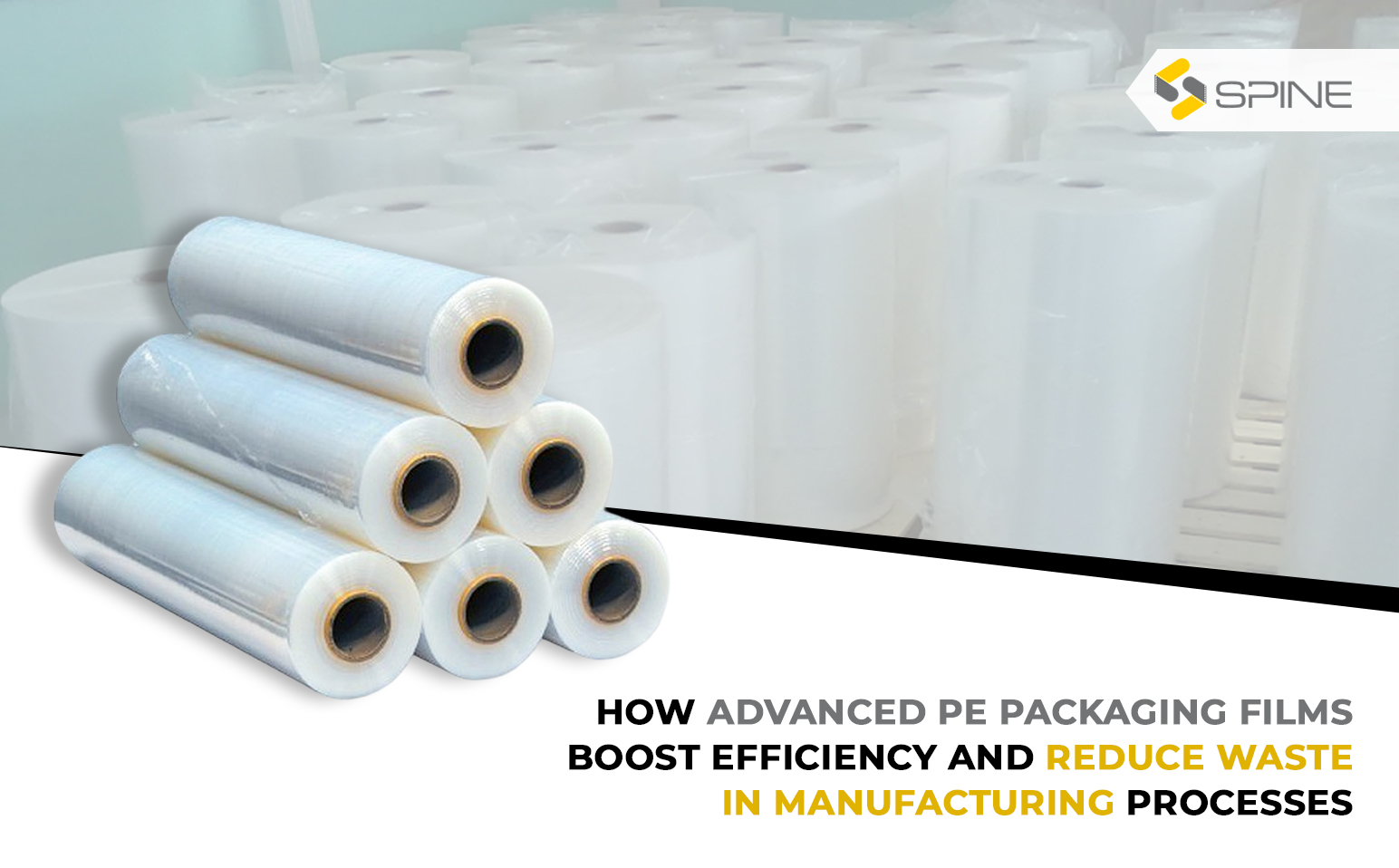
How Advanced PE Packaging Films Boost Efficiency and Reduce Waste in Manufacturing Processes

In the modern manufacturing ecosystem, companies are constantly searching for ways to improve productivity while minimizing environmental impact. With increasing pressure to streamline operations, reduce packaging waste, and maintain product quality, the packaging materials used in manufacturing have become more important than ever. Among the many packaging innovations available today, polyethylene (PE) packaging films have emerged as a highly reliable and efficient solution for businesses across industries.

At Spine Poly, we understand the evolving needs of manufacturers and the critical role packaging plays in maintaining operational efficiency. Advanced PE packaging films are designed not only to protect products but also to improve packaging performance, reduce material usage, and support sustainable manufacturing practices. By adopting advanced PE films, manufacturers can optimize their packaging processes while ensuring product safety and minimizing waste.

The Growing Importance of Efficient Packaging in Manufacturing

Manufacturing operations rely heavily on packaging to protect products during storage, transportation, and distribution. However, inefficient packaging materials can lead to unnecessary waste, slower production speeds, and higher operational costs. Traditional packaging solutions may not always offer the flexibility, durability, or barrier protection required for modern manufacturing environments.

Advanced PE packaging films offer a practical solution to these challenges. Their lightweight structure, combined with high strength and flexibility, makes them suitable for a wide range of packaging applications. From food processing facilities to pharmaceutical manufacturing units, these films help maintain consistent packaging performance while supporting faster production cycles.

Improving Production Efficiency with Advanced PE Films

One of the key advantages of advanced PE packaging films is their ability to improve the efficiency of automated packaging systems. Modern manufacturing facilities depend on high speed packaging machines such as form fill seal systems, flow wrappers, and pouch packaging machines. Packaging materials must perform consistently at these high speeds to prevent downtime and production delays.

Advanced PE films are engineered to deliver smooth machine compatibility and excellent sealing performance. Their uniform thickness and strong tensile properties allow packaging machines to operate at optimal speeds without frequent interruptions. This results in faster production output and improved overall productivity.

Superior Protection and Barrier Performance

Product protection is one of the most important functions of packaging. Many products are sensitive to environmental factors such as moisture, oxygen, light, and temperature fluctuations. Without proper packaging protection, these elements can compromise product quality and shelf life.

Advanced PE packaging films provide strong barrier properties that help protect products from external contaminants. They create a protective layer that reduces the penetration of moisture and oxygen, helping maintain product freshness and stability. This is particularly important for industries such as food processing, pharmaceuticals, personal care products, and consumer electronics.

By maintaining product integrity throughout the supply chain, manufacturers can reduce product spoilage, damage, and customer complaints. This not only improves brand reputation but also minimizes the costs associated with product losses and returns.

Reducing Material Waste in Manufacturing

Waste reduction has become a major priority for manufacturers around the world. Excess packaging materials contribute to higher production costs and increased environmental impact. Advanced PE packaging films address this challenge by offering high strength with reduced material thickness.

Because these films are durable and flexible, manufacturers can often use less material without compromising packaging performance. This helps reduce overall packaging consumption and lowers raw material costs.

Supporting Sustainable Manufacturing Practices

Sustainability is now a key consideration for both manufacturers and consumers. Businesses are actively seeking packaging solutions that reduce environmental impact while maintaining functionality and product safety.

PE packaging films contribute to sustainability efforts in several ways. First, their lightweight design reduces transportation weight, which can help lower fuel consumption during distribution. Second, many PE films are recyclable and can be reprocessed into new packaging materials or other plastic products.

By incorporating recyclable packaging materials into their operations, manufacturers can move closer to their environmental goals and demonstrate a commitment to responsible production practices.

At Spine Poly Films, we focus on developing packaging films that balance performance with sustainability, helping businesses adopt environmentally responsible packaging without sacrificing efficiency.

Cost Efficiency and Supply Chain Optimization

Packaging decisions directly affect a company’s operational costs. Poor packaging materials can lead to damaged products, supply chain disruptions, and higher handling expenses. Advanced PE packaging films help address these challenges by offering reliable strength and durability throughout the product lifecycle.

Because these films provide strong protective properties, they reduce the risk of product damage during shipping and storage. This minimizes losses, decreases replacement costs, and improves supply chain reliability.

The Future of PE Packaging in Manufacturing

As manufacturing continues to evolve, the demand for high performance and sustainable packaging solutions will only grow. Advanced PE packaging films are expected to play an increasingly important role in helping companies meet these demands.

Continuous innovation in polymer technology is leading to stronger, lighter, and more environmentally friendly packaging films. These advancements allow manufacturers to further optimize their operations while reducing their environmental footprint.

Conclusion

Efficient packaging is essential for modern manufacturing success. Advanced PE packaging films offer an ideal combination of durability, flexibility, and barrier protection that helps manufacturers streamline their operations while reducing waste.

By improving packaging efficiency, protecting product quality, minimizing material usage, and supporting sustainable practices, these films deliver significant value across the entire manufacturing process.

At Spine Poly, we are committed to providing innovative PE packaging solutions that help businesses achieve higher efficiency and greater sustainability. By choosing advanced PE films, manufacturers can strengthen their production systems, reduce environmental impact, and build a more efficient and responsible packaging future.