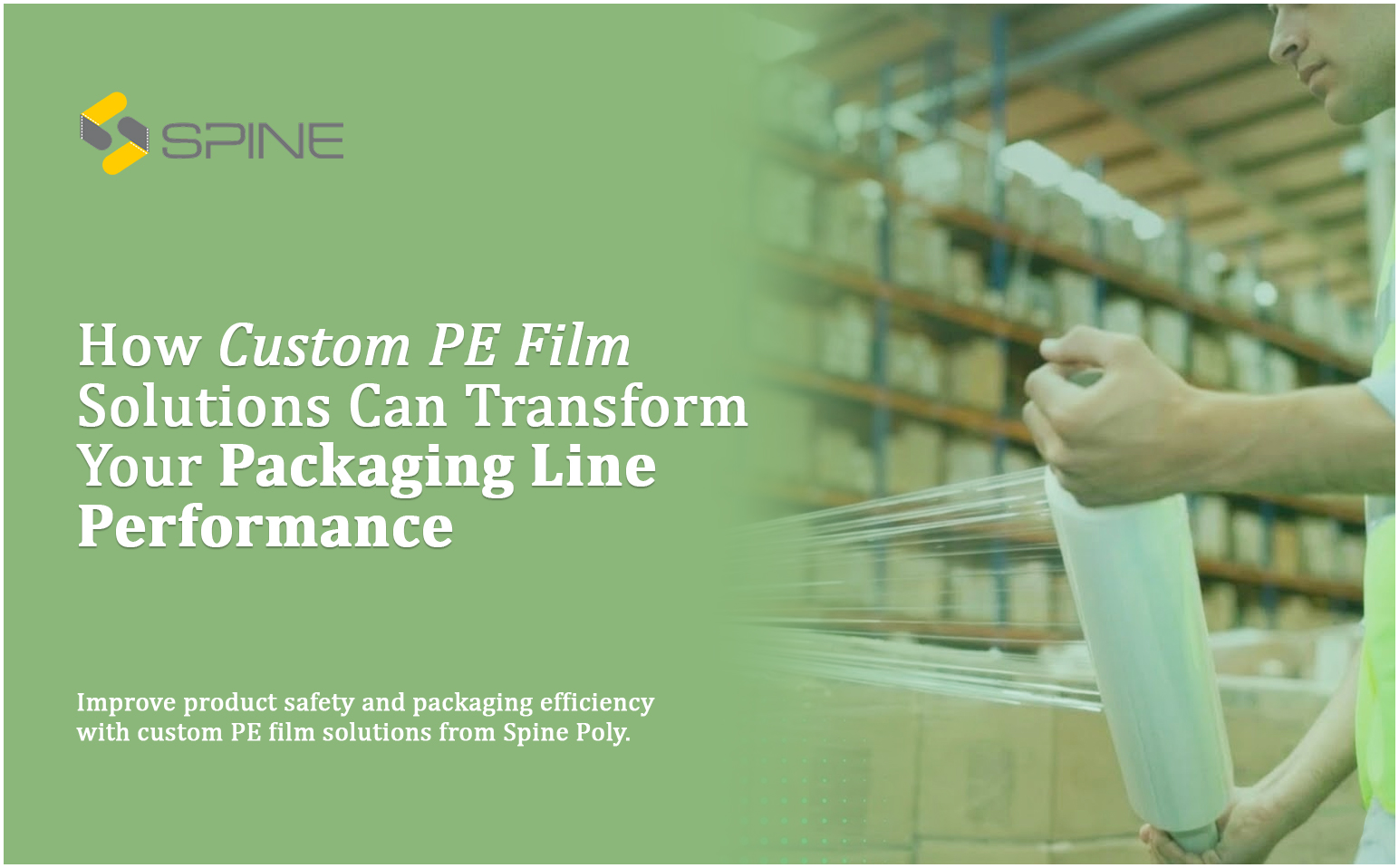
How Custom PE Film Solutions Can Transform Your Packaging Line Performance

Packaging plays a vital role in modern manufacturing and distribution. It protects products, supports branding, and ensures safe transportation across complex supply chains. However, many businesses still rely on standard packaging materials that may not fully meet the requirements of their products or production systems. When packaging materials fail to perform efficiently, companies often face issues such as production delays, product damage, and increased operational costs.

One effective way to overcome these challenges is by adopting custom polyethylene (PE) film solutions. PE film is one of the most widely used packaging materials due to its flexibility, durability, and adaptability across industries. When designed specifically for a particular application, PE film can significantly improve packaging performance and efficiency.

At Spine Poly, we work closely with businesses to develop custom PE film solutions that match their exact packaging requirements. By tailoring film properties to specific applications, manufacturers can achieve better protection, smoother production processes, and more sustainable packaging outcomes.

Why Standard Packaging Films Are Not Always Enough

Many businesses initially choose standard PE films because they are readily available and relatively inexpensive. However, generic packaging materials often lack the specific performance characteristics required for specialized products or high-speed production environments.

For example, a film that works well for lightweight consumer goods may not provide adequate protection for fragile or moisture-sensitive products. Similarly, films that are not designed for specific machinery may lead to issues such as inconsistent sealing, film tearing, or machine downtime.

Custom PE film solutions address these limitations by adapting the material to meet precise operational needs. Instead of adjusting the production process to suit the packaging material, businesses can design the packaging material to suit their operations.

Improved Product Protection

One of the most important benefits of custom PE film solutions is enhanced product protection. Packaging must safeguard products from external factors such as moisture, dust, oxygen, and physical impact during transportation and storage.

Custom PE films can be engineered with specific barrier properties to prevent environmental exposure that could compromise product quality. This is particularly important in industries such as food processing, pharmaceuticals, electronics, and personal care products.

For instance, films designed with improved moisture resistance can help maintain the freshness of food products. Similarly, films with higher puncture resistance can protect industrial goods from damage during handling and shipping.

By selecting a film structure that matches the needs of the product, businesses can reduce the risk of product loss, contamination, and customer complaints.

Enhancing Packaging Line Efficiency

Packaging operations rely heavily on consistent material performance. If packaging films do not run smoothly on machinery, production efficiency can suffer significantly. Issues such as film breakage, uneven sealing, or machine jams can slow down operations and increase material waste.

Custom PE film solutions are developed with production compatibility in mind. Film thickness, width, tensile strength, and sealing properties can be adjusted to match the requirements of specific packaging machines.

This level of customization helps packaging equipment operate more smoothly, reducing interruptions and increasing production speed. When the film performs reliably on the packaging line, manufacturers can maintain consistent output and improve overall productivity.

Another advantage is improved print quality. Custom PE films can be designed to support high-quality printing for branding, product details, and regulatory information. Clear and durable printing enhances product presentation while ensuring important information remains visible throughout the product lifecycle.

Supporting Sustainable Packaging Goals

Sustainability has become a major focus for companies across industries. Businesses are under increasing pressure from consumers, regulators, and stakeholders to reduce their environmental footprint.

Custom PE film solutions contribute to sustainability efforts by optimizing material usage. Instead of using thicker generic films, customized films can achieve the required strength and protection with reduced material weight.

Lighter packaging materials offer several environmental advantages. They reduce raw material consumption, minimize packaging waste, and lower transportation emissions due to decreased shipping weight.

Many PE films are also recyclable, which supports circular economy initiatives. By designing packaging materials with recyclability and material efficiency in mind, companies can move toward more responsible packaging practices without compromising product protection.

Cost Efficiency Through Customization

While custom packaging solutions may initially seem like a higher investment, they often lead to long-term cost savings. Packaging materials that are specifically engineered for a product and production process help reduce waste, improve efficiency, and prevent costly product damage.

For example, optimized film thickness can reduce raw material costs without sacrificing strength or durability. Similarly, films that run smoothly on packaging equipment minimize downtime and reduce rejected packaging units.

When packaging performs reliably, businesses can also avoid expenses related to product returns, re-packaging, and supply chain disruptions.

In many cases, the operational benefits of custom PE film solutions outweigh the cost of generic materials.

Collaboration for Better Packaging Solutions

Developing effective custom PE film solutions requires collaboration between manufacturers, packaging suppliers, and end users. Understanding product characteristics, production processes, and environmental conditions allows packaging experts to design films that deliver the best performance.

At Spine Poly, we prioritize this collaborative approach. By analysing the specific needs of each client, we develop tailored polyethylene film solutions that improve packaging reliability and operational efficiency.

Our goal is to help businesses create packaging systems that protect their products while supporting smooth and cost-effective manufacturing operations.

Conclusion

Packaging materials have a direct impact on product protection, production efficiency, and sustainability. While standard PE films can serve basic packaging needs, they often fail to deliver the specialized performance required in modern manufacturing environments.

Custom PE film solutions provide a smarter approach by tailoring material properties to match the needs of specific products and production systems. From improving product protection to enhancing packaging line performance and reducing environmental impact, these solutions offer significant advantages for businesses seeking reliable packaging.

At Spine Poly, we are committed to helping companies achieve better packaging outcomes through high quality custom PE film solutions. By choosing packaging materials designed specifically for your operations, you can improve efficiency, protect product quality, and build a more sustainable packaging strategy for the future.
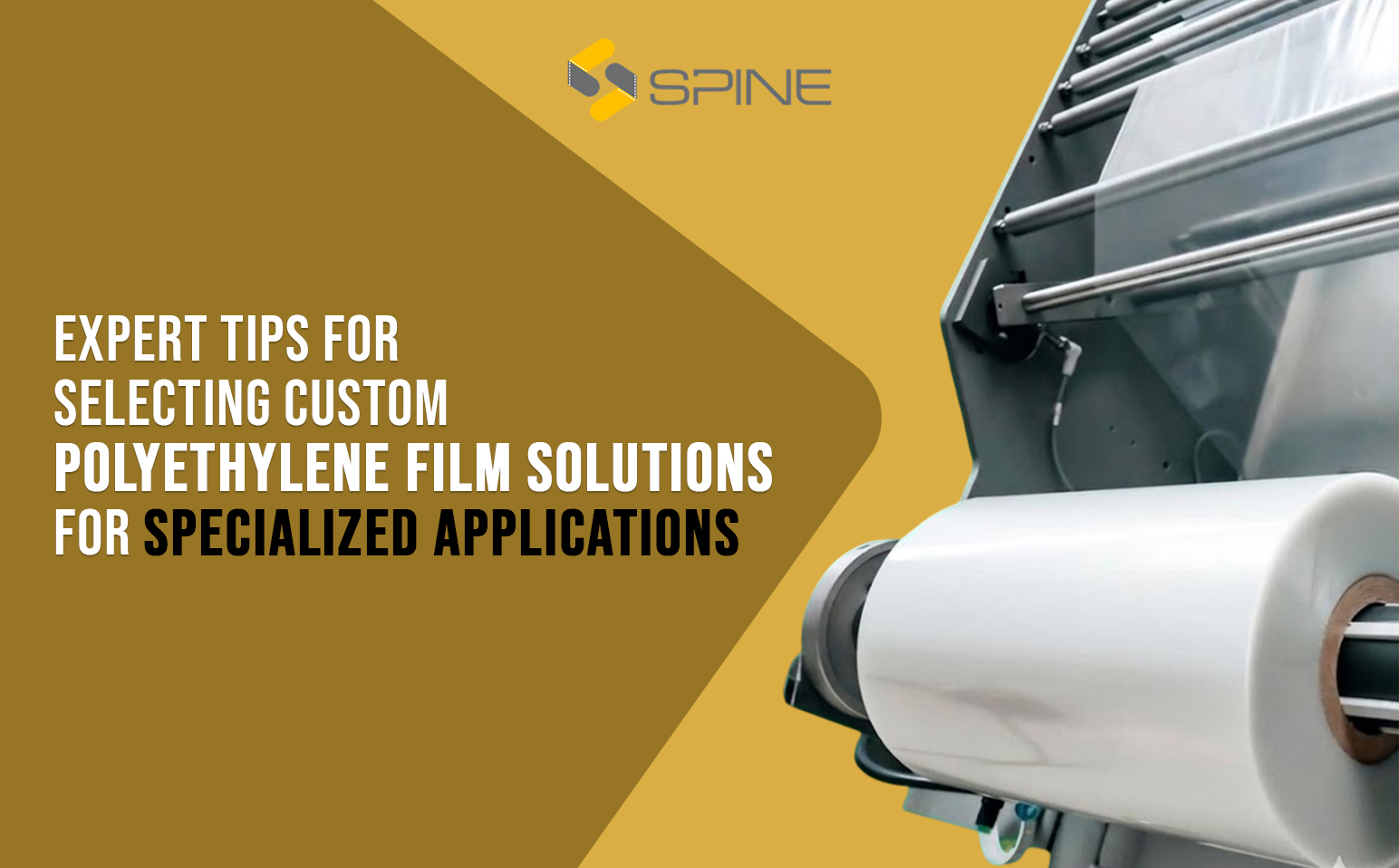
Expert Tips for Selecting Custom Polyethylene Film Solutions for Specialized Applications

Modern industries operate in highly demanding environments where materials must deliver reliability, protection, and efficiency. Whether used in packaging, construction, agriculture, or industrial applications, selecting the right material can significantly influence operational performance. Among the many options available, polyethylene film has become one of the most widely used materials due to its adaptability and durability.

At Spine Poly, we understand that every industry has unique requirements when it comes to packaging and protective materials. Custom polyethylene film solutions are designed to address these specialized needs, allowing businesses to achieve better product protection, improved efficiency, and cost effective performance. However, choosing the right polyethylene film requires careful evaluation of multiple factors.

This guide highlights expert tips to help businesses select the most suitable custom polyethylene film solutions for their specialized applications.

Understanding the Core Properties of Polyethylene Film

The first step in selecting the right polyethylene film is understanding its key properties. Polyethylene film is produced from polyethylene resin, a thermoplastic polymer known for its flexibility, strength, and resistance to moisture. These characteristics make it suitable for a wide range of industrial and commercial applications.

Several properties play an important role when evaluating polyethylene film solutions. Thickness, density, tensile strength, and barrier performance are among the most critical considerations. Film thickness determines the level of protection and durability, while density affects strength and flexibility. Tensile strength indicates how well the film can resist tearing or stretching during use.

Different grades of polyethylene are used depending on the application. For example, low density polyethylene (LDPE) films are valued for their flexibility and clarity, making them ideal for packaging applications. High density polyethylene (HDPE) films, on the other hand, offer higher strength and durability, making them suitable for more demanding industrial uses.

Partnering with an Experienced Manufacturer

Another critical factor when choosing custom polyethylene film solutions is the capability of the manufacturer. Not all manufacturers offer the same level of customization, quality control, or technical expertise.

Working with an experienced supplier like Spine Poly Films ensures that businesses receive tailored film solutions designed to meet specific industry challenges. An established manufacturer typically provides advanced production technology, strict quality assurance processes, and the ability to customize film characteristics such as thickness, width, additives, and performance properties.

In addition to manufacturing capabilities, companies should evaluate whether the supplier offers product testing, samples, and technical consultation. These services allow businesses to verify that the selected film will perform effectively in real world conditions before full scale production begins.

Choosing a reliable manufacturer not only guarantees product quality but also ensures consistent supply and long term support.

Considering the Specific Needs of Your Application

Every industry uses polyethylene film differently, which is why application specific requirements must always be considered during the selection process.

In the packaging industry, polyethylene films are commonly used to protect products from dust, moisture, and contamination during storage and transportation. For food packaging applications, films must also meet safety and hygiene standards while preserving product freshness.

In the construction sector, polyethylene films are often used as vapor barriers to prevent moisture infiltration in buildings. These films must be durable and capable of withstanding environmental exposure over long periods.

Agricultural applications require polyethylene films for uses such as greenhouse covers, mulch films, and crop protection sheets. These films must offer resistance to UV radiation and varying weather conditions.

By identifying the exact operating conditions, such as temperature exposure, humidity levels, chemical contact, or sunlight exposure businesses can select polyethylene films specifically engineered to perform under those circumstances.

Ensuring Equipment Compatibility

Another important consideration when selecting custom polyethylene film solutions is compatibility with existing machinery and processes. Packaging and manufacturing operations rely on equipment that requires materials with precise specifications.

Film width, thickness consistency, roll dimensions, and winding direction all affect how smoothly the material performs on packaging machines or production equipment. If the film is not compatible with the machinery, it can lead to operational disruptions, slower production speeds, or material waste.

Before finalizing a polyethylene film solution, it is advisable to test the material on the intended equipment. A trusted manufacturer will typically assist with technical guidance to ensure seamless integration into the production line.

Meeting Regulatory and Compliance Requirements

Depending on the industry, polyethylene films may need to comply with various regulatory standards. For example, films used in food packaging must meet strict food safety regulations to ensure that they do not contaminate the products they protect.

Similarly, certain industries require materials that comply with environmental guidelines, recycling standards, or industry certifications. Businesses should always verify that their chosen polyethylene film meets all relevant regulatory requirements.

A reputable manufacturer will provide proper documentation, product certifications, and testing reports to confirm compliance. This transparency helps businesses maintain product safety and avoid legal or operational risks.

The Value of Customization

One of the biggest advantages of polyethylene film is its ability to be customized according to specific operational needs. Custom film solutions may include special additives for UV protection, anti static properties, enhanced strength, or improved sealing performance.

Customization allows businesses to develop packaging or protective solutions that are perfectly aligned with their product and operational environment. Rather than relying on generic materials, custom films deliver higher efficiency and better performance in specialized applications.

Conclusion

Selecting the right polyethylene film solution is a critical decision that can influence product quality, operational efficiency, and overall business performance. By understanding film properties, evaluating manufacturer capabilities, considering application requirements, and ensuring regulatory compliance, businesses can make well informed decisions when choosing polyethylene film materials.At Spine Poly, we specialize in developing high quality custom polyethylene film solutions designed to meet the diverse needs of modern industries. Our commitment to innovation, quality, and customer collaboration ensures that businesses receive reliable materials tailored to their specific applications.

The Key Differences Between LDPE and HDPE Films for Industrial Packaging Explained

In modern industrial packaging, selecting the right material plays a critical role in protecting products during storage, transportation, and distribution. Businesses today require packaging films that are strong, reliable, and cost efficient while also meeting sustainability expectations.

Two of the most widely used materials in industrial packaging are Low Density Polyethylene (LDPE) films and High Density Polyethylene (HDPE) films. Each offers unique advantages and performs differently depending on the application.

As a trusted manufacturer of industrial packaging materials, Spinepoly helps businesses choose the right packaging solutions based on performance, durability, and operational needs. In this guide, we’ll explore the key differences between LDPE and HDPE films, their characteristics, and how they are used across industries.

Understanding LDPE and HDPE Films

Polyethylene films are widely used in packaging because of their durability, versatility, and resistance to environmental factors. LDPE and HDPE are both types of polyethylene, but their molecular structures give them different physical and functional properties.

  • LDPE (Low Density Polyethylene) is known for its softness, flexibility, and transparency, making it ideal for packaging that requires stretchability and impact resistance.
  • HDPE (High Density Polyethylene), on the other hand, has a tighter molecular structure, which results in higher strength, rigidity, and chemical resistance.

These differences make each material suitable for specific packaging applications.

Key Physical Differences Between LDPE and HDPE Films

Understanding the physical characteristics of LDPE and HDPE films helps businesses choose the right packaging material for their products.

LDPE Film Properties

LDPE films are valued for their flexibility and ability to stretch without tearing. Some of their key characteristics include:

  • High flexibility and softness
  • Excellent clarity and transparency
  • Good impact and puncture resistance
  • Moisture resistance
  • Easy sealing and processing

Because of these features, LDPE films are commonly used when packaging requires elasticity and protection from mechanical damage.

HDPE Film Properties

HDPE films are stronger and more rigid than LDPE films. They offer excellent durability and resistance against environmental stress.

Key characteristics include:

  • Higher tensile strength
  • Greater stiffness and durability
  • Superior chemical resistance
  • Excellent moisture barrier properties
  • Lightweight yet strong structure

These qualities make HDPE films suitable for heavy duty packaging applications.

Industrial Packaging Applications of LDPE Films

LDPE films are widely used across industries because of their flexibility and protective capabilities.

Common uses include:

Shrink Packaging

LDPE films shrink tightly around products when heat is applied, making them ideal for bundling items and protecting goods during transport.

Pallet Wrapping

Flexible LDPE stretch films are commonly used to secure pallets, preventing product movement during shipping and storage.

Food Packaging

Because of their clarity and sealing ability, LDPE films are often used in food packaging to protect products while maintaining visibility.

Protective Covers

Many industries use LDPE films to protect products from dust, moisture, and external damage during storage.

Industrial Applications of HDPE Films

HDPE films are widely used in industries that require stronger and more durable packaging solutions.

Typical applications include:

Container Liners

HDPE liners protect containers from contamination and prevent leakage during storage and transport.

Drum Liners

Industrial chemicals and liquids are often stored in drums lined with HDPE film for added safety and protection.

Chemical Packaging

Due to its chemical resistance, HDPE film is commonly used for packaging substances that could degrade other materials.

Heavy Duty Industrial Packaging

HDPE films are frequently used where strength and rigidity are essential for handling heavier products.

Sustainability and Cost Considerations

Today, companies are increasingly focused on sustainability and cost efficiency when choosing packaging materials.

Both LDPE and HDPE films offer advantages depending on business requirements.

  • LDPE Film Sustainability and Cost

LDPE films tend to provide greater flexibility and puncture resistance, which can reduce product damage during transportation. While they may sometimes cost slightly more than HDPE films, their durability can help reduce packaging failures and long term expenses.

  • HDPE Film Sustainability and Cost

HDPE films are generally more rigid and often more economical. Their strength allows thinner films to be used in certain applications, which can reduce overall material usage while still maintaining protection.

Both LDPE and HDPE are recyclable materials, making them suitable options for companies working toward more sustainable packaging practices.

Choosing the Right Film for Your Packaging Needs

Selecting between LDPE and HDPE films depends on several factors, including:

  • Type of product being packaged
  • Required strength and flexibility
  • Exposure to chemicals or moisture
  • Transportation conditions
  • Cost and sustainability goals

v  If your packaging requires flexibility, stretchability, and clarity, LDPE films may be the best choice.

v  If your packaging demands strength, rigidity, and chemical resistance, HDPE films are often more suitable.

Working with an experienced manufacturer can help businesses identify the best solution for their specific requirements.

Final Thoughts

LDPE and HDPE films both play essential roles in modern industrial packaging. While LDPE offers flexibility and impact resistance, HDPE delivers strength and durability for demanding applications.

Understanding the differences between these materials allows businesses to choose packaging solutions that maximize protection, efficiency, and cost effectiveness.

If your company is looking for reliable packaging films tailored to industrial needs, Spinepoly offers high quality LDPE and HDPE film solutions designed to support modern packaging requirements.

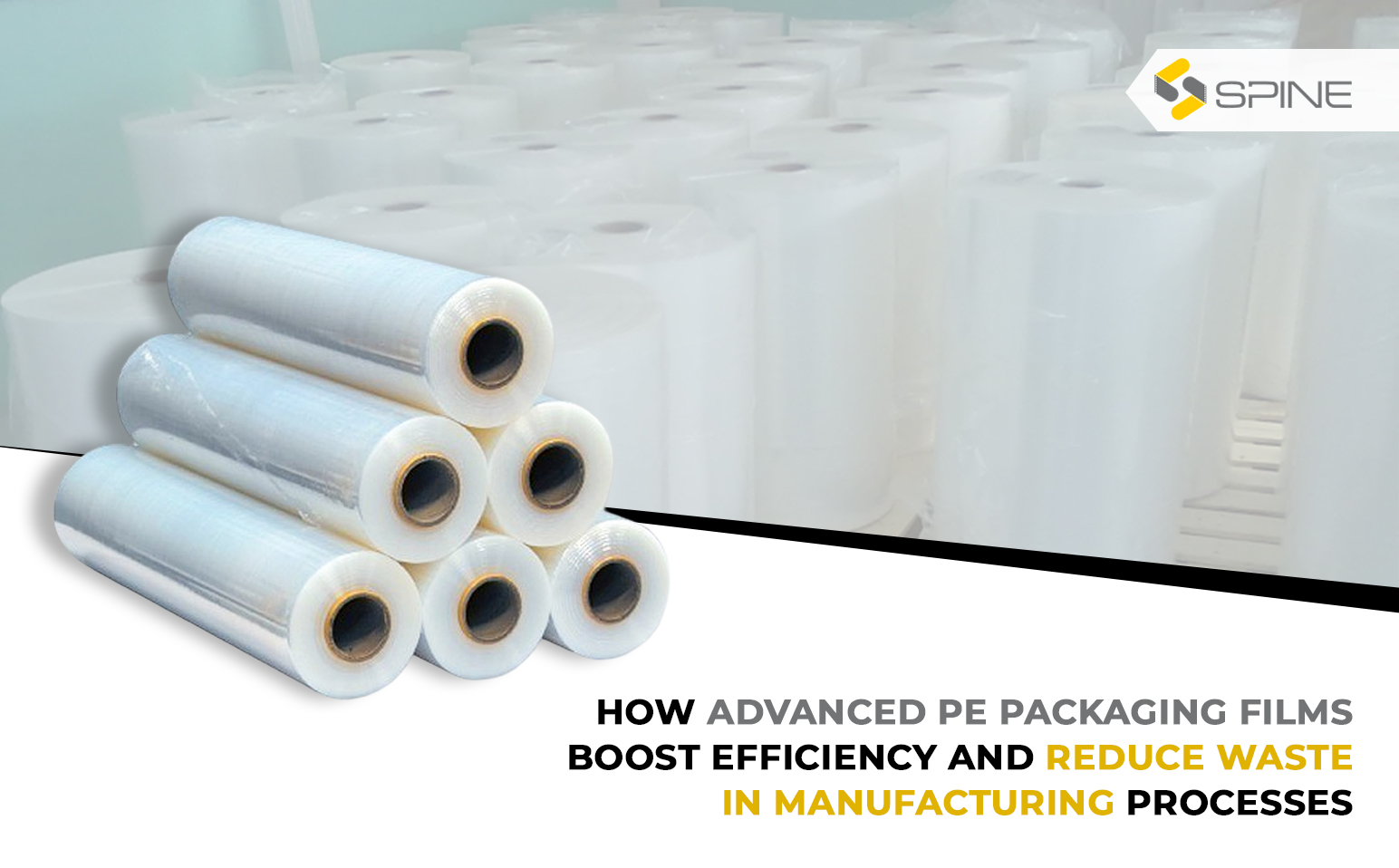
How Advanced PE Packaging Films Boost Efficiency and Reduce Waste in Manufacturing Processes

In the modern manufacturing ecosystem, companies are constantly searching for ways to improve productivity while minimizing environmental impact. With increasing pressure to streamline operations, reduce packaging waste, and maintain product quality, the packaging materials used in manufacturing have become more important than ever. Among the many packaging innovations available today, polyethylene (PE) packaging films have emerged as a highly reliable and efficient solution for businesses across industries.

At Spine Poly, we understand the evolving needs of manufacturers and the critical role packaging plays in maintaining operational efficiency. Advanced PE packaging films are designed not only to protect products but also to improve packaging performance, reduce material usage, and support sustainable manufacturing practices. By adopting advanced PE films, manufacturers can optimize their packaging processes while ensuring product safety and minimizing waste.

The Growing Importance of Efficient Packaging in Manufacturing

Manufacturing operations rely heavily on packaging to protect products during storage, transportation, and distribution. However, inefficient packaging materials can lead to unnecessary waste, slower production speeds, and higher operational costs. Traditional packaging solutions may not always offer the flexibility, durability, or barrier protection required for modern manufacturing environments.

Advanced PE packaging films offer a practical solution to these challenges. Their lightweight structure, combined with high strength and flexibility, makes them suitable for a wide range of packaging applications. From food processing facilities to pharmaceutical manufacturing units, these films help maintain consistent packaging performance while supporting faster production cycles.

Improving Production Efficiency with Advanced PE Films

One of the key advantages of advanced PE packaging films is their ability to improve the efficiency of automated packaging systems. Modern manufacturing facilities depend on high speed packaging machines such as form fill seal systems, flow wrappers, and pouch packaging machines. Packaging materials must perform consistently at these high speeds to prevent downtime and production delays.

Advanced PE films are engineered to deliver smooth machine compatibility and excellent sealing performance. Their uniform thickness and strong tensile properties allow packaging machines to operate at optimal speeds without frequent interruptions. This results in faster production output and improved overall productivity.

Superior Protection and Barrier Performance

Product protection is one of the most important functions of packaging. Many products are sensitive to environmental factors such as moisture, oxygen, light, and temperature fluctuations. Without proper packaging protection, these elements can compromise product quality and shelf life.

Advanced PE packaging films provide strong barrier properties that help protect products from external contaminants. They create a protective layer that reduces the penetration of moisture and oxygen, helping maintain product freshness and stability. This is particularly important for industries such as food processing, pharmaceuticals, personal care products, and consumer electronics.

By maintaining product integrity throughout the supply chain, manufacturers can reduce product spoilage, damage, and customer complaints. This not only improves brand reputation but also minimizes the costs associated with product losses and returns.

Reducing Material Waste in Manufacturing

Waste reduction has become a major priority for manufacturers around the world. Excess packaging materials contribute to higher production costs and increased environmental impact. Advanced PE packaging films address this challenge by offering high strength with reduced material thickness.

Because these films are durable and flexible, manufacturers can often use less material without compromising packaging performance. This helps reduce overall packaging consumption and lowers raw material costs.

Supporting Sustainable Manufacturing Practices

Sustainability is now a key consideration for both manufacturers and consumers. Businesses are actively seeking packaging solutions that reduce environmental impact while maintaining functionality and product safety.

PE packaging films contribute to sustainability efforts in several ways. First, their lightweight design reduces transportation weight, which can help lower fuel consumption during distribution. Second, many PE films are recyclable and can be reprocessed into new packaging materials or other plastic products.

By incorporating recyclable packaging materials into their operations, manufacturers can move closer to their environmental goals and demonstrate a commitment to responsible production practices.

At Spine Poly Films, we focus on developing packaging films that balance performance with sustainability, helping businesses adopt environmentally responsible packaging without sacrificing efficiency.

Cost Efficiency and Supply Chain Optimization

Packaging decisions directly affect a company’s operational costs. Poor packaging materials can lead to damaged products, supply chain disruptions, and higher handling expenses. Advanced PE packaging films help address these challenges by offering reliable strength and durability throughout the product lifecycle.

Because these films provide strong protective properties, they reduce the risk of product damage during shipping and storage. This minimizes losses, decreases replacement costs, and improves supply chain reliability.

The Future of PE Packaging in Manufacturing

As manufacturing continues to evolve, the demand for high performance and sustainable packaging solutions will only grow. Advanced PE packaging films are expected to play an increasingly important role in helping companies meet these demands.

Continuous innovation in polymer technology is leading to stronger, lighter, and more environmentally friendly packaging films. These advancements allow manufacturers to further optimize their operations while reducing their environmental footprint.

Conclusion

Efficient packaging is essential for modern manufacturing success. Advanced PE packaging films offer an ideal combination of durability, flexibility, and barrier protection that helps manufacturers streamline their operations while reducing waste.

By improving packaging efficiency, protecting product quality, minimizing material usage, and supporting sustainable practices, these films deliver significant value across the entire manufacturing process.

At Spine Poly, we are committed to providing innovative PE packaging solutions that help businesses achieve higher efficiency and greater sustainability. By choosing advanced PE films, manufacturers can strengthen their production systems, reduce environmental impact, and build a more efficient and responsible packaging future.

Choosing Between Local and Overseas Film Suppliers: What Really Matters

Choosing the right film supplier is a strategic decision that directly impacts product quality, operational efficiency, and long term business stability. For manufacturers, healthcare providers, and packaging companies sourcing polyethylene (PE) films, the choice often comes down to local versus overseas suppliers.

While pricing is often the first comparison point, experienced buyers know that the real value of a supplier goes far beyond cost alone. At Spinepoly, we work with customers who have navigated both local and international sourcing and the most successful decisions are always based on a broader perspective.

Cost vs. Total Value

Overseas suppliers frequently appear more affordable due to lower labour and production costs. However, the initial unit price rarely tells the full story.

When sourcing films internationally, additional factors often include:

  • Freight and shipping costs
  • Import duties and customs clearance
  • Currency fluctuations
  • Longer and less predictable lead times

Local suppliers may have higher per unit pricing, but they often reduce hidden costs and offer greater pricing stability. When total landed cost and risk are considered, local sourcing can deliver stronger overall value.

Lead Time and Supply Chain Reliability

In industries such as healthcare and packaging, delays can disrupt entire operations. Speed and reliability are critical.

Local film suppliers typically offer:

  • Shorter delivery timelines
  • Faster response to urgent or unplanned orders
  • Reduced exposure to global disruptions

Overseas sourcing can be affected by shipping delays, port congestion, and geopolitical or logistical challenges. During periods of uncertainty, proximity becomes a significant advantage for maintaining continuity.

Quality Control and Clear Communication

Film performance must meet strict technical, regulatory, and application specific requirements. Working with a local supplier often makes quality management more efficient.

Benefits may include:

  • Easier factory visits and quality audits
  • Faster troubleshooting and issue resolution
  • Clearer communication due to shared language and time zones

At Spinepoly, close collaboration with customers allows faster feedback loops and tighter quality control ensuring films perform exactly as intended.

Customization and Operational Flexibility

Market demands change, sometimes rapidly. The ability to adapt is a major differentiator when choosing a film supplier.

Local suppliers are often better positioned to provide:

  • Smaller or trial production runs
  • Faster adjustments to specifications
  • Customized film structures and properties

Overseas suppliers may prioritize large volume production, which can limit flexibility for evolving or specialized requirements.

Regulatory Compliance and Industry Standards

Compliance is non-negotiable, particularly in healthcare, food packaging, and industrial applications. Local suppliers are typically more familiar with domestic regulations, including:

  • Healthcare and food safety standards
  • Environmental and recycling requirements
  • Required certifications and documentation

This familiarity reduces compliance risks and helps customers move through approval processes more efficiently.

Sustainability and Environmental Impact

Sustainability is becoming a key factor in sourcing decisions. Local film production can help reduce:

  • Carbon emissions from long distance transportation
  • Excess packaging used for international shipping
  • Waste caused by overproduction and long lead times

While overseas suppliers may benefit from large scale efficiencies, many businesses now see environmental responsibility as a strong reason to source closer to home. At Spinepoly, sustainability is increasingly integrated into material selection, design efficiency, and manufacturing practices.

Risk Management and Long Term Partnerships

Supplier relationships are about more than transactions; they are about trust, transparency, and long term alignment.

Local suppliers often offer:

  • Greater visibility into production processes
  • Easier collaboration and problem solving
  • Stronger alignment with customer goals

Overseas suppliers can provide scale and cost advantages, but managing risk typically requires more structured planning and contingency strategies.

Making the Right Choice

There is no single correct answer when choosing between local and overseas film suppliers. The right decision depends on business priorities: cost, speed, quality, flexibility, compliance, or sustainability.

Many organizations find success with a hybrid approach, sourcing high volume, standardized films internationally for critical, time sensitive, or customized requirements.

Final Takeaway

Choosing a film supplier is not just a purchasing decision; it’s a strategic one. By looking beyond price and evaluating total value, reliability, and long term impact, businesses can build supply chains that are resilient, efficient, and future ready.At Spinepoly, we believe strong partnerships, consistent quality, and responsive service are what truly matter no matter where you source from.

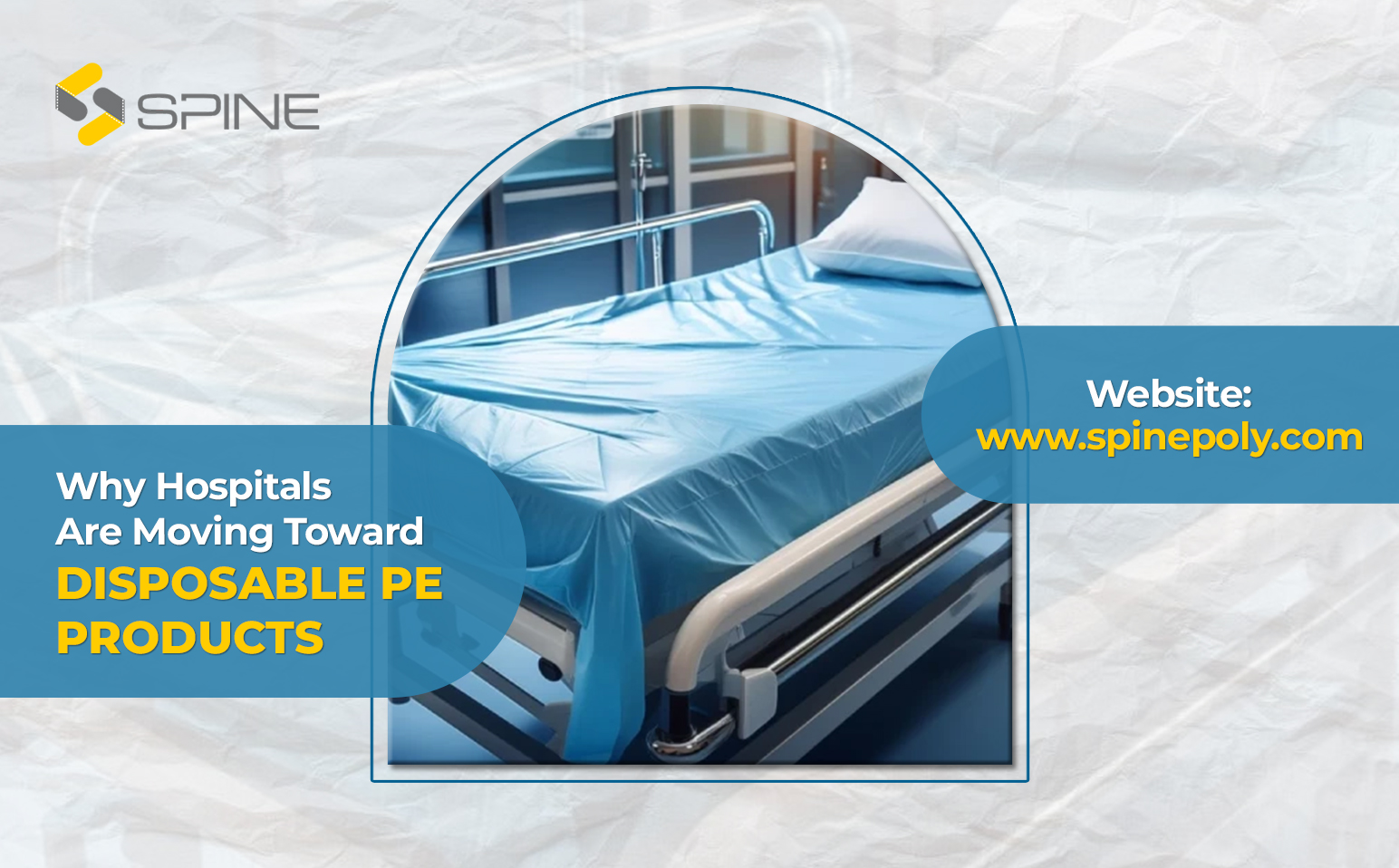
Why Hospitals Are Moving Toward Disposable PE Products

Healthcare is built on a simple but powerful promise: do no harm. As hospitals and medical facilities strengthen their focus on patient safety, infection control, and operational efficiency, many are re-evaluating the products they use every day. One clear shift gaining momentum across the industry is the move toward disposable polyethylene (PE) products.

At Spinepoly, we work closely with healthcare providers worldwide and see firsthand why disposable PE solutions, such as protective gowns, aprons, bed covers, and sheets are becoming the preferred choice in modern hospitals.

Safety Comes First, Always

In clinical environments, even minor contamination can lead to serious consequences. While reusable products may appear clean, repeated use and handling increase the risk of microscopic pathogens remaining in fibers, seams, or folds.

Disposable PE products eliminate this uncertainty. Designed for single use, they are discarded immediately after contact, helping hospitals:

  • Reduce the risk of cross contamination
  • Limit exposure to infectious agents
  • Strengthen overall infection prevention protocols

For healthcare facilities where patient and staff safety are top priorities, disposable PE products provide a level of control and confidence that reusable alternatives often cannot match.

The Smart Economics Behind Single Use Solutions

Disposable does not automatically mean wasteful. In many cases, it means more efficient and cost effective.

Reusable products involve hidden operational costs, including laundering, sterilization, water and energy consumption, chemical usage, labor, and equipment maintenance. Over time, these expenses can outweigh the perceived savings of reuse.

Disposable PE products from Spinepoly:

  • Arrive ready to use
  • Require no cleaning or reprocessing
  • Reduce downtime and logistical complexity

By simplifying supply chains and eliminating secondary processes, hospitals often achieve meaningful long term cost savings.

Consistency That Healthcare Demands

In healthcare, consistency is non-negotiable. Every product must perform exactly as expected every single time.

Unlike reusable materials that degrade with repeated washing, disposable PE products deliver uniform performance, including:

  • Reliable fluid resistance
  • Consistent strength and coverage
  • Predictable protection in high risk situations

At Spinepoly, our PE products are manufactured to meet strict quality standards, ensuring dependable protection in critical clinical environments.

Faster, Cleaner, and More Efficient Workflows

Time is one of the most valuable resources in a hospital. Disposable PE products help streamline daily operations by removing unnecessary steps from clinical workflows.

With single use PE solutions:

  • Supplies are instantly available
  • Staff avoid delays caused by laundering or sterilization cycles
  • Storage and inventory management become more efficient

The result is faster response times, reduced workload for healthcare professionals, and smoother day-to-day operations especially in high pressure departments.

Supporting Compliance With Modern Healthcare Regulations

Healthcare regulations are becoming increasingly stringent, particularly in areas related to hygiene and infection control. Disposable PE products help hospitals remain compliant with evolving standards, especially in high risk settings such as:

  • Operating rooms
  •  Emergency departments
  • Isolation and intensive care units

Single use protective products simplify audits, inspections, and accreditation processes while demonstrating a proactive approach to risk management.

Balancing Safety With Sustainability

Environmental responsibility is an important consideration in today’s healthcare systems. While disposable products raise valid concerns, innovation within the PE industry is driving meaningful change.

At Spinepoly, we focus on:

  • Material efficient and lightweight designs
  • Recyclable PE options where waste management systems allow
  • Manufacturing practices that reduce unnecessary material use

This approach helps healthcare providers maintain high safety standards while supporting responsible waste management goals.

Final Thoughts

The shift toward disposable PE products is not about convenience; it is about control, reliability, and patient safety. In environments where lives are at stake, hospitals need solutions that perform flawlessly every time.

As healthcare continues to evolve, Spinepoly remains committed to delivering high quality disposable PE products that support safer, cleaner, and more efficient medical care. What began as a trend is now becoming a cornerstone of modern hospital operations.

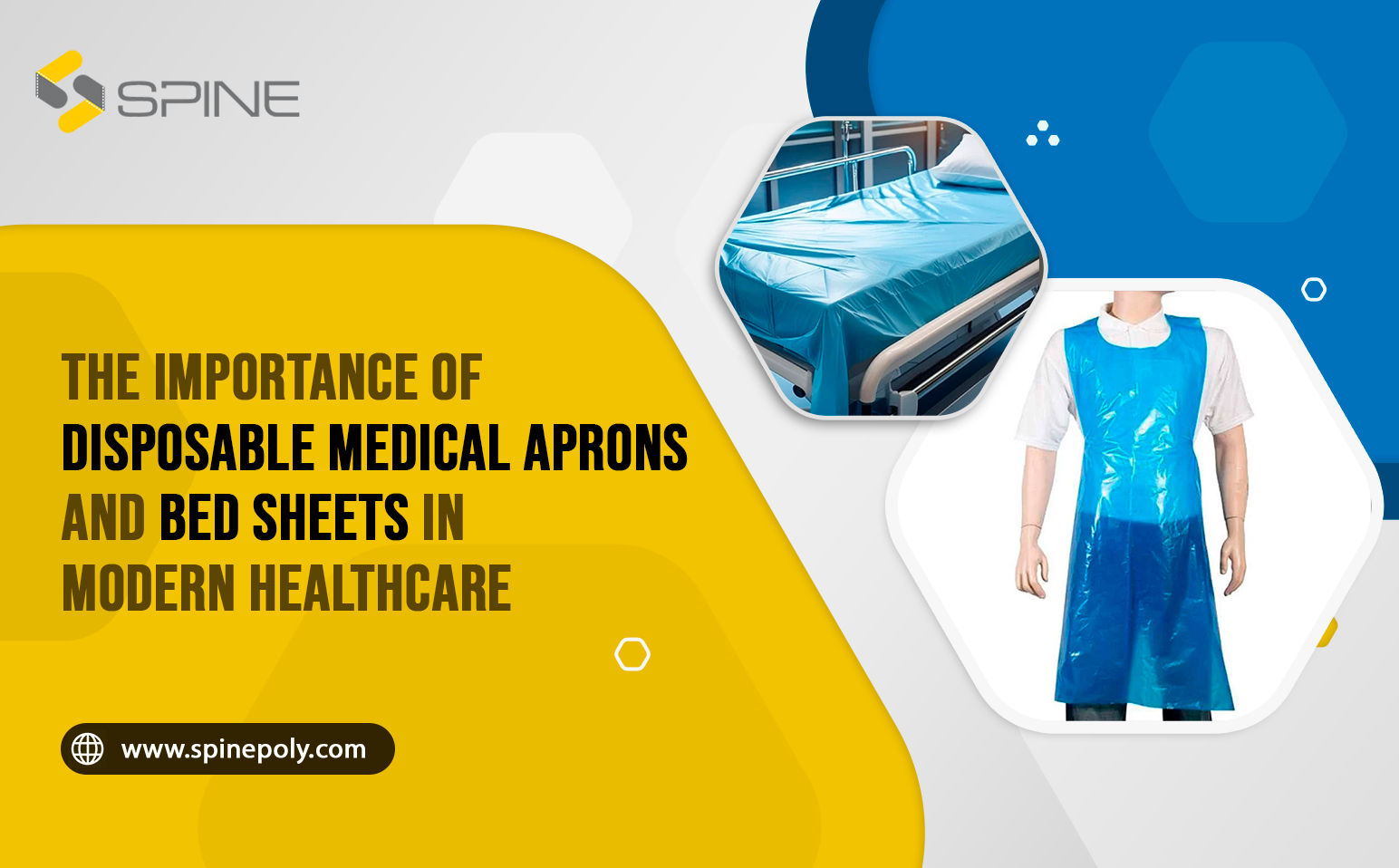
The Importance of Disposable Medical Aprons and Bed Sheets in Modern Healthcare

In today’s healthcare environment, hygiene and safety are non-negotiable. Every procedure, interaction, and patient touchpoint carries responsibility not only for treatment, but also for infection prevention. Among the most essential yet often underestimated tools in this effort are disposable medical aprons and disposable bed sheets.

At Spinepoly, we understand that these products are more than basic supplies. They are a vital part of protecting patients, healthcare professionals, and healthcare facilities as a whole.

Essential Barrier Protection in Clinical Settings

Disposable medical aprons and bed sheets serve as a critical barrier against contamination. In hospitals, clinics, diagnostic centers, and long term care facilities, exposure to fluids, pathogens, and chemicals is a daily reality.

  • Disposable medical aprons protect healthcare workers from blood, body fluids, and chemical splashes during examinations, procedures, and routine patient care.
  • Disposable bed sheets provide a hygienic surface between patients and examination tables or hospital beds, reducing direct contact with potentially contaminated surfaces.

By acting as a reliable protective layer, these products significantly reduce the risk of cross contamination in high contact environments.

Reducing Healthcare Associated Infections (HAIs)

Healthcare associated infections remain a global challenge. While reusable linens can be cleaned and disinfected, they still involve multiple handling stages collection, transport, laundering, and redistribution each carrying a risk of contamination.

Disposable aprons and bed sheets help address this issue by:

  • Being used once and discarded immediately
  • Eliminating the need for washing and reprocessing
  • Minimizing handling of contaminated materials

This single use model supports stricter infection control protocols and helps break the chain of infection more effectively.

Protecting Healthcare Professionals

Doctors, nurses, and caregivers face daily exposure to infectious agents. Disposable medical aprons provide an additional layer of protection without compromising comfort or mobility.

Key advantages include:

  • Lightweight and breathable materials
  • Quick and easy donning and removal
  • Reduced exposure during high risk tasks

When healthcare workers feel protected, they can perform their duties with greater confidence and focus leading to better patient outcomes.

Improving Operational Efficiency

Efficiency is critical in modern healthcare settings, especially in emergency departments and high volume clinics. Disposable medical aprons and bed sheets streamline daily operations by eliminating the need for linen management.

Benefits include:

  • No sorting or laundering of soiled linens
  • Faster room turnover between patients
  • Reduced reliance on laundry services

This efficiency helps facilities save time, reduce operational complexity, and maintain consistent hygiene standards even during peak demand.

Consistency You Can Rely On

Reusable products naturally degrade over time due to repeated washing and handling. Disposable medical supplies, on the other hand, offer consistent performance with every use.

Each disposable apron and bed sheet delivers:

  • Standardized thickness and strength
  • Reliable fluid resistance
  • Predictable protection in every clinical situation

Consistency is essential in healthcare, where reliability can directly impact safety.

Supporting Compliance and Hygiene Standards

Healthcare facilities are required to meet strict regulatory and hygiene standards. Disposable medical aprons and bed sheets support compliance by:

  • Aligning with infection prevention guidelines
  • Simplifying audits and inspections
  • Demonstrating proactive risk management

Using single use protective products reflects a commitment to best practices across hospitals, clinics, and care facilities.

Hygiene with a Responsible Approach

While disposable products raise environmental considerations, innovation continues to improve sustainability. Many modern solutions now focus on:

  • Optimized material usage
  • Eco conscious and recyclable options where infrastructure allows
  • Efficient packaging to reduce waste

At Spinepoly, the goal is to balance high hygiene standards with responsible manufacturing and waste management practices.

Conclusion

Disposable medical aprons and bed sheets may appear simple, but their role in healthcare safety is significant. From infection control and staff protection to operational efficiency and regulatory compliance, these products are indispensable in modern medical environments.

As healthcare systems continue to prioritize safety, efficiency, and quality care, disposable protective solutions from trusted manufacturers will remain a cornerstone of effective healthcare delivery.

Sustainable Trends in Polyethylene Film Manufacturing

In an era where environmental responsibility and industrial performance must coexist, sustainable manufacturing has moved from a “nice‑to‑have” idea to a strategic imperative. The polyethylene film industry, long recognized for its versatility and essential role across sectors like packaging, healthcare, agriculture, and consumer products, faces unique sustainability challenges and opportunities. At Spine Poly Tech, where innovation, quality, and environmental stewardship are core values, we believe sustainability isn’t an abstract ambition but a practical pathway to long term value for our customers and the planet.

The Sustainability Imperative in Polyethylene Film Manufacturing

Polyethylene (PE) films have been foundational to modern manufacturing due to their lightweight nature, flexibility, moisture barrier properties, and cost efficiency. However, traditional resin production and post consumer disposal have significant environmental implications, contributing to plastic waste and carbon emissions across the lifecycle of products. In response, the industry is evolving rapidly, embracing technologies and strategies that reduce environmental impact without compromising quality or performance.

At Spine Poly Tech, we are part of this evolution, integrating sustainable methods in manufacturing processes and product design, guided by decades of expertise and a commitment to responsible production.

1. Recycled Content and Circular Economy Initiatives

One of the most influential trends in PE film sustainability is the shift toward using recycled polymers in manufacturing. By incorporating post consumer and post industrial recycled content into PE films, manufacturers reduce reliance on virgin petrochemicals and decrease the environmental footprint from extraction and processing stages.

Circular economy practices also encourage collection systems, reprocessing facilities, and collaborations with packaging users and recyclers to ensure films are reused rather than discarded. While challenges remain, such as contamination and mechanical property retention, continued innovation in sorting and processing technologies is improving recycled material quality and supply.

2. Lightweighting and Material Efficiency

“Sustainability” can also mean doing more with less. Lightweighting refers to reducing the thickness or weight of polyethylene films while maintaining strength, transparency, and functional performance. Advanced resins and optimized extrusion processes allow films to be downgauged, using less material for the same application.

For industries like e‑commerce packaging or industrial wrapping, lightweight films lower material consumption, cut transport emissions, and reduce overall waste generation. At Spine Poly Tech, continual improvements in extrusion technology ensure we deliver films that meet performance expectations with optimal material efficiency, benefiting both customers and the environment.

3. Mono Material Film Structures

The shift toward mono material packaging is a critical trend shaping sustainable PE film design. Traditionally, flexible packaging often used combinations of different plastics that are difficult or impossible to separate in recycling streams. By designing films that consist solely of polyethylene layers, recyclability improves dramatically, helping close the loop in recycling systems and adding value for brand owners focused on sustainable credentials.

Mono material PE films simplify processing and sorting at recycling centers and minimize contamination issues that can degrade recycled polymer quality. This enhances the practical recyclability of films post use, a vital step in transitioning to circular material systems.

4. Advanced Extrusion and Production Technologies

Progress in film manufacturing technology drives sustainability by improving energy efficiency, process precision, and material utilization. Modern co‑extrusion systems, high speed blown film lines, and automated quality inspection tools allow for tighter controls over thickness, mechanical properties, and consistency, which in turn reduces waste and rejects.

Automation in production not only enhances product quality but also enables data driven monitoring of energy usage, resin feed rates, and production performance. As manufacturers optimize these parameters, energy consumption per kilogram of film produced declines, aligning environmental and operational priorities.

5. Innovation in Barrier and Functional Films

Sustainability extends beyond raw materials to the functional life of the products these films protect. High performance barrier films that enhance shelf life in food packaging help significantly reduce food waste, an important environmental outcome. By maintaining product freshness longer and reducing spoilage, specialized PE films contribute to broader sustainability goals in supply chains.

The development of films with moisture, oxygen, and UV resistance means less over packaging or secondary layers, minimizing overall material usage. Such performance engineering ensures that sustainable design and practical use go hand in hand.

6. Eco Friendly Additives and Future Biopolymers

While PE itself remains inherently durable, scientists and polymer engineers are exploring eco‑friendly additives and bio based alternatives that can improve end‑of‑life outcomes. Certain additives promote biodegradability under specific environmental conditions, while research into bio based PE from renewable feedstocks continues to advance.

Although fully biodegradable PE films are not yet mainstream, these innovations highlight a future where polyethylene products may be designed to meet both performance and ecological end‑of‑life requirements.

7. Energy Management and Operational Sustainability

Sustainability isn’t only about materials; it’s also about how factories operate. Manufacturers are adopting energy saving measures such as solar power, heat recovery, efficient motors, and smart plant monitoring systems. These investments reduce carbon emissions and lower production costs over time.

At Spine Poly Tech, our facilities are continuously evaluated for ways to enhance energy efficiency, minimize waste generation, and promote responsible resource utilization throughout the manufacturing lifecycle.

Conclusion: Sustainability as a Strategic Advantage

The polyethylene film industry is undergoing a paradigm shift. Sustainability is no longer peripheral, it’s a core driver of innovation, differentiation, and customer value. From recycled materials and mono material designs to energy optimized operations and functional advances in film performance, sustainable trends are reshaping manufacturing in fundamental ways.

For Spine Poly Tech, sustainability is woven into our mission: to deliver high performance polyethylene films that not only meet global standards of quality but also contribute to a cleaner, more responsible future. By embracing sustainable trends and integrating them into our products and processes, we aim to lead the industry toward a new era of environmentally intelligent manufacturing, where durability, performance, and ecological mindfulness coexist.

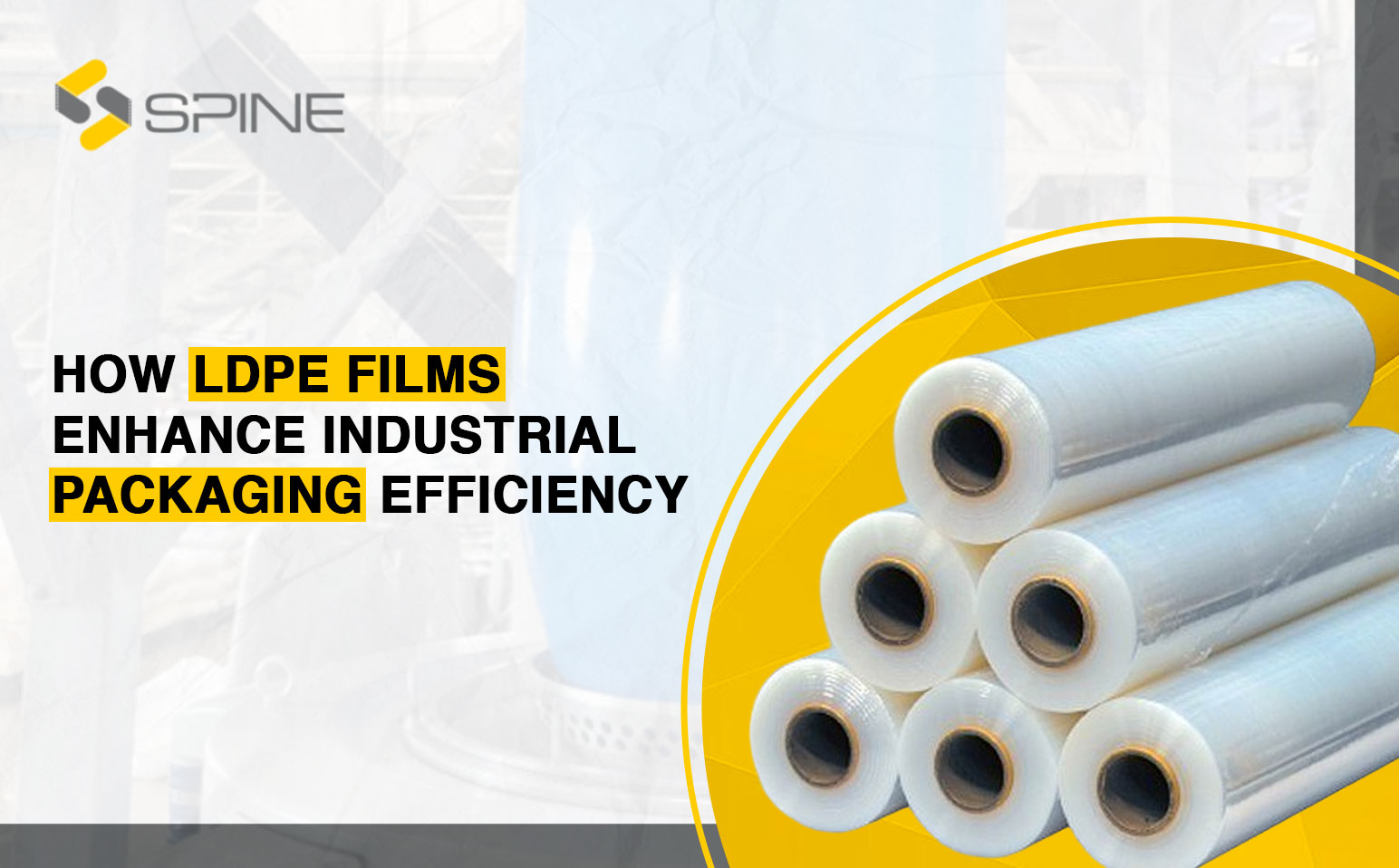
How LDPE Films Enhance Industrial Packaging Efficiency

In today’s fast paced industrial landscape, the demand for smarter, stronger, and more efficient packaging solutions has never been greater. Manufacturers across sectors from heavy machinery and logistics to consumer goods and exports are continually seeking materials that not only protect their products but also optimize operations and reduce costs. Enter LDPE (Low Density Polyethylene) films, a versatile, reliable, and cost effective packaging solution that has transformed how businesses package, store, and transport goods.

At Spinepoly, we believe that innovation in polyethylene films unlocks tangible efficiency gains throughout the supply chain. This article explores how LDPE films elevate industrial packaging performance and why they are indispensable in modern industrial applications.

Understanding LDPE Films: What Makes Them Special?

LDPE films are made from low density polyethylene, a thermoplastic polymer known for its flexibility, durability, and resilience. Unlike rigid solids, LDPE films exhibit a unique combination of properties that make them ideal for flexible packaging solutions used in industrial settings.

Some core characteristics of LDPE films include:

  • Exceptional flexibility and conformability, they bend and wrap around irregular shapes with ease.
  • Lightweight nature, which reduces load weight and transport costs.
  • High clarity for product visibility and inspection without unpacking.
  • Strong moisture and chemical resistance to protect against environmental threats.
  • Heat sealing capabilities that support secure closures on automated lines.

These traits make LDPE films a champion material in optimizing industrial packaging efficiency compared to heavier, more rigid packaging alternatives.

1. Boosting Protection and Integrity

In industrial packaging, safeguarding products against damage during storage and transit is paramount. LDPE films form a resilient barrier against moisture, dust, abrasion, and external contaminants, attributes critical in protecting goods from the factory floor to the final destination.

Because of their sealing properties, LDPE films also help maintain product integrity, preventing tampering and preserving product quality. In industries where product safety compliance matters such as pharmaceuticals, food handling, or critical components, this protective capability supports regulatory adherence and reduces the risk of returns.

2. Enhancing Logistics and Transportation Efficiency

One of the most significant advantages LDPE films bring to industrial packaging is improved logistics efficiency.

  • Lightweight, Lower Costs

LDPE films are significantly lighter than rigid packaging materials like corrugated cardboard or wood crates. This translates to reduced shipping weight, lower fuel consumption, and decreased freight costs a major competitive advantage for businesses shipping large volumes over long distances.

  • Optimized Load Configuration

When wrapping pallets or grouping multiple products for shipment, LDPE films can conform tightly around loads, creating compact, stable units. This tight wrapping not only helps maximize space utilization in transportation vehicles but also reduces handling time at warehouses and distribution centers.

3. Supporting High Speed Packaging Operations

Industrial packaging is rarely manual. Most modern facilities rely on automated lines and high speed machinery to maintain throughput and meet production deadlines. LDPE films are particularly well suited to these environments due to their process compatibility.

Thanks to their ability to heat seal efficiently at relatively low temperatures and conform quickly during shrink operations, LDPE films are ideal for use with shrink tunnels, form fill seal machines, and other automated packaging equipment. This supports higher cycle speeds and increased overall equipment effectiveness, an essential driver of industrial productivity.

4. Reducing Material Waste and Operational Complexity

LDPE films contribute to waste reduction in multiple ways:

  • Optimized Material Usage

Because LDPE films wrap closely and conform to product shape, less material is needed to protect the same product when compared with bulky alternatives. This not only cuts material costs but also reduces packaging waste a win for both businesses and sustainability initiatives.

  • Simplified Packaging Steps

Using a single wrap of LDPE film often eliminates the need for multiple packaging layers. This simplification translates into reduced labor costs and fewer process steps enhancing operational efficiency on the packaging floor.

5. Improving Product Visibility and Branding

In addition to performance efficiencies, LDPE films offer excellent clarity. Transparent films allow product visibility without unpacking, which is particularly useful in inventory management, retail display, and quality control.

For industries that blend functional packaging with branding opportunities, LDPE films can be customized with printing, logos, and product information, adding another dimension of value by enhancing product presentation while preserving protection.

6. Versatility Across Industrial Applications

LDPE films are not one trick wonders. Their versatility enables a broad spectrum of industrial uses:

  • Shrink wraps for bundling multi unit products.
  • Stretch films for securing pallet loads.
  • Protective liners and covers for machinery and parts.
  • Moisture barrier films for products sensitive to humidity or corrosion.

This cross industry adaptability ensures that LDPE films can address the unique needs of sectors as diverse as automotive, electronics, healthcare, agricultural machinery, and more.

7. Supporting Sustainability Goals

Sustainability is no longer optional, it’s a business imperative. LDPE films are recyclable, and many manufacturers are innovating with recycled content and bio based materials, helping organizations lower carbon footprint and meet environmental goals.

Additionally, lightweight packaging inherently reduces transportation emissions and material consumption, aligning with broader corporate social responsibility strategies.

Conclusion: A Strategic Packaging Asset

In the industrial context, packaging efficiency is more than just wrapping products; it’s about safeguarding value, optimizing supply chains, and cutting unnecessary costs. LDPE films deliver on all these fronts and more.

Their combination of strength, flexibility, moisture resistance, process compatibility, and sustainability potential makes LDPE films an essential material for progressive industrial packaging strategies. At Spinepoly, we are committed to delivering LDPE film solutions that elevate packaging performance and help businesses thrive in an increasingly competitive marketplace.

Whether you’re securing pallets, protecting goods in transit, or enhancing your packaging line throughput, Sinopoli’s LDPE films are engineered to perform with precision, efficiency, and reliability.