12 Oct 2026
24 Apr 2026
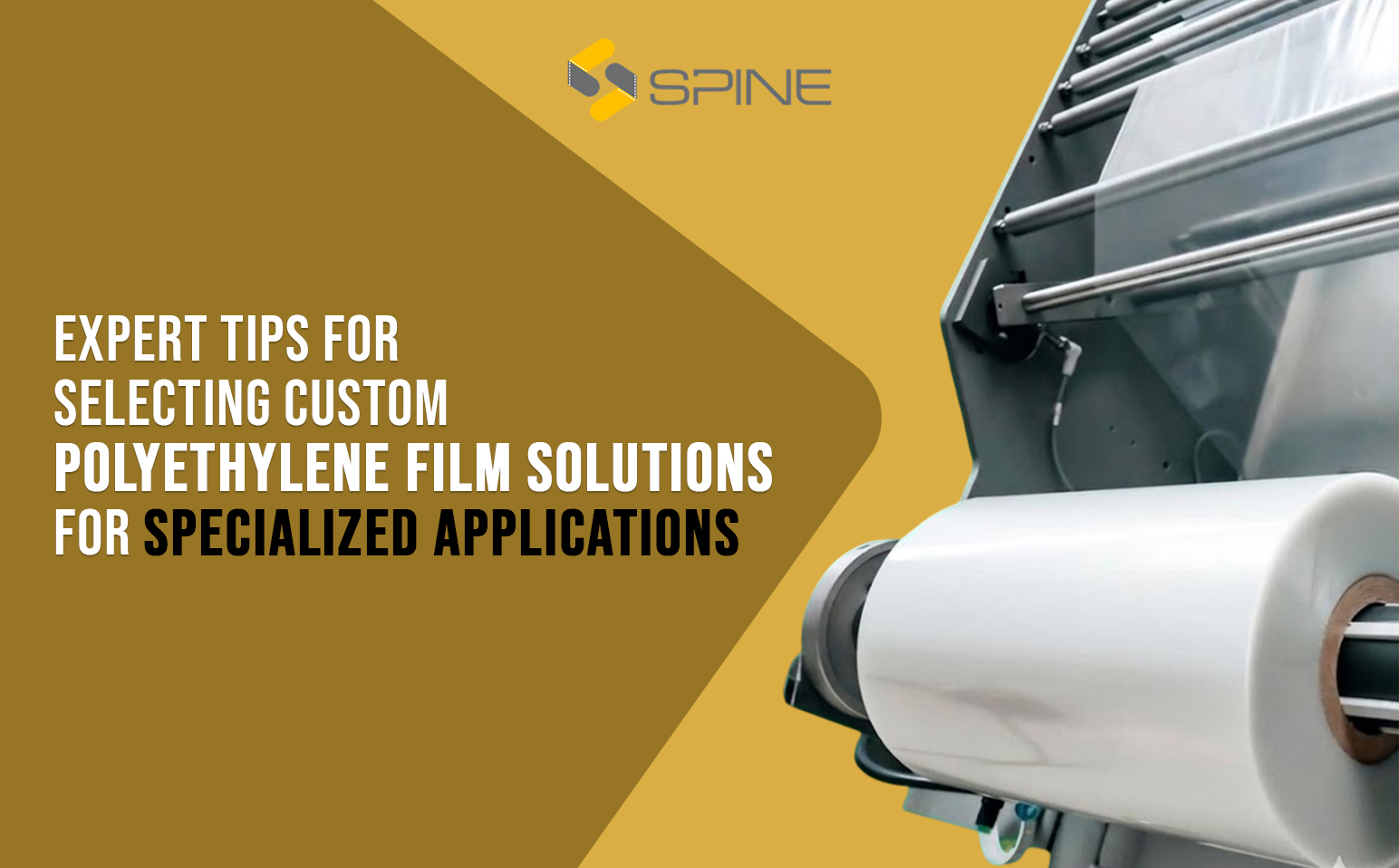
Expert Tips for Selecting Custom Polyethylene Film Solutions for Specialized Applications
Modern industries operate in highly demanding environments where materials must deliver reliability, protection, and efficiency. Whether used in packaging, construction, agriculture, or industrial applications, selecting the right material can significantly influence operational performance. Among the many options available, polyethylene film has become one of the most widely used materials due to its adaptability and durability.
At Spine Poly, we understand that every industry has unique requirements when it comes to packaging and protective materials. Custom polyethylene film solutions are designed to address these specialized needs, allowing businesses to achieve better product protection, improved efficiency, and cost effective performance. However, choosing the right polyethylene film requires careful evaluation of multiple factors.
This guide highlights expert tips to help businesses select the most suitable custom polyethylene film solutions for their specialized applications.
Understanding the Core Properties of Polyethylene Film
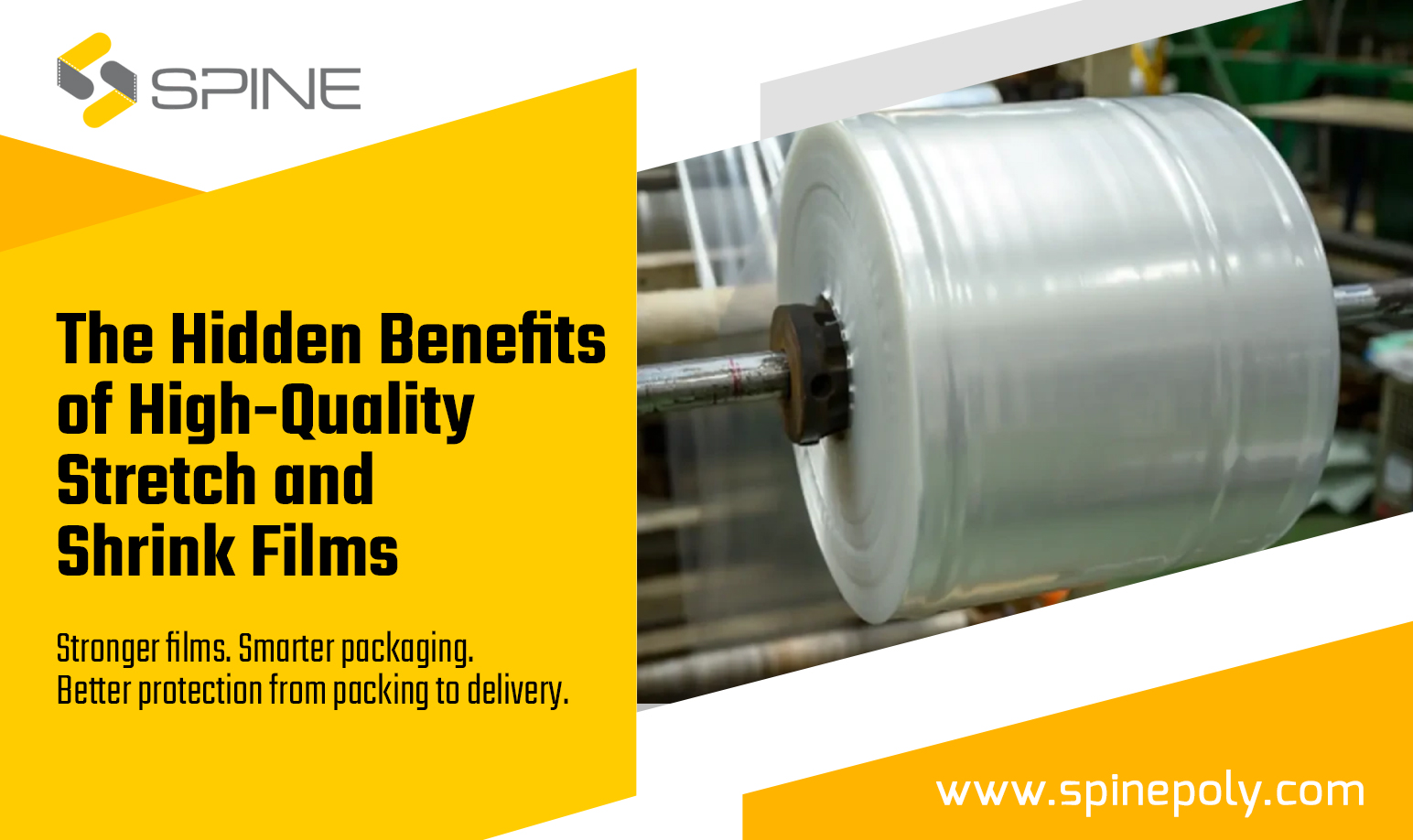
The first step in selecting the right polyethylene film is understanding its key properties. Polyethylene film is produced from polyethylene resin, a thermoplastic polymer known for its flexibility, strength, and resistance to moisture. These characteristics make it suitable for a wide range of industrial and commercial applications.
Several properties play an important role when evaluating polyethylene film solutions. Thickness, density, tensile strength, and barrier performance are among the most critical considerations. Film thickness determines the level of protection and durability, while density affects strength and flexibility. Tensile strength indicates how well the film can resist tearing or stretching during use.
Different grades of polyethylene are used depending on the application. For example, low density polyethylene (LDPE) films are valued for their flexibility and clarity, making them ideal for packaging applications. High density polyethylene (HDPE) films, on the other hand, offer higher strength and durability, making them suitable for more demanding industrial uses.
Partnering with an Experienced Manufacturer
Another critical factor when choosing custom polyethylene film solutions is the capability of the manufacturer. Not all manufacturers offer the same level of customization, quality control, or technical expertise.
Working with an experienced supplier like Spine Poly Films ensures that businesses receive tailored film solutions designed to meet specific industry challenges. An established manufacturer typically provides advanced production technology, strict quality assurance processes, and the ability to customize film characteristics such as thickness, width, additives, and performance properties.
In addition to manufacturing capabilities, companies should evaluate whether the supplier offers product testing, samples, and technical consultation. These services allow businesses to verify that the selected film will perform effectively in real world conditions before full scale production begins.
Choosing a reliable manufacturer not only guarantees product quality but also ensures consistent supply and long term support.
Considering the Specific Needs of Your Application
Every industry uses polyethylene film differently, which is why application specific requirements must always be considered during the selection process.
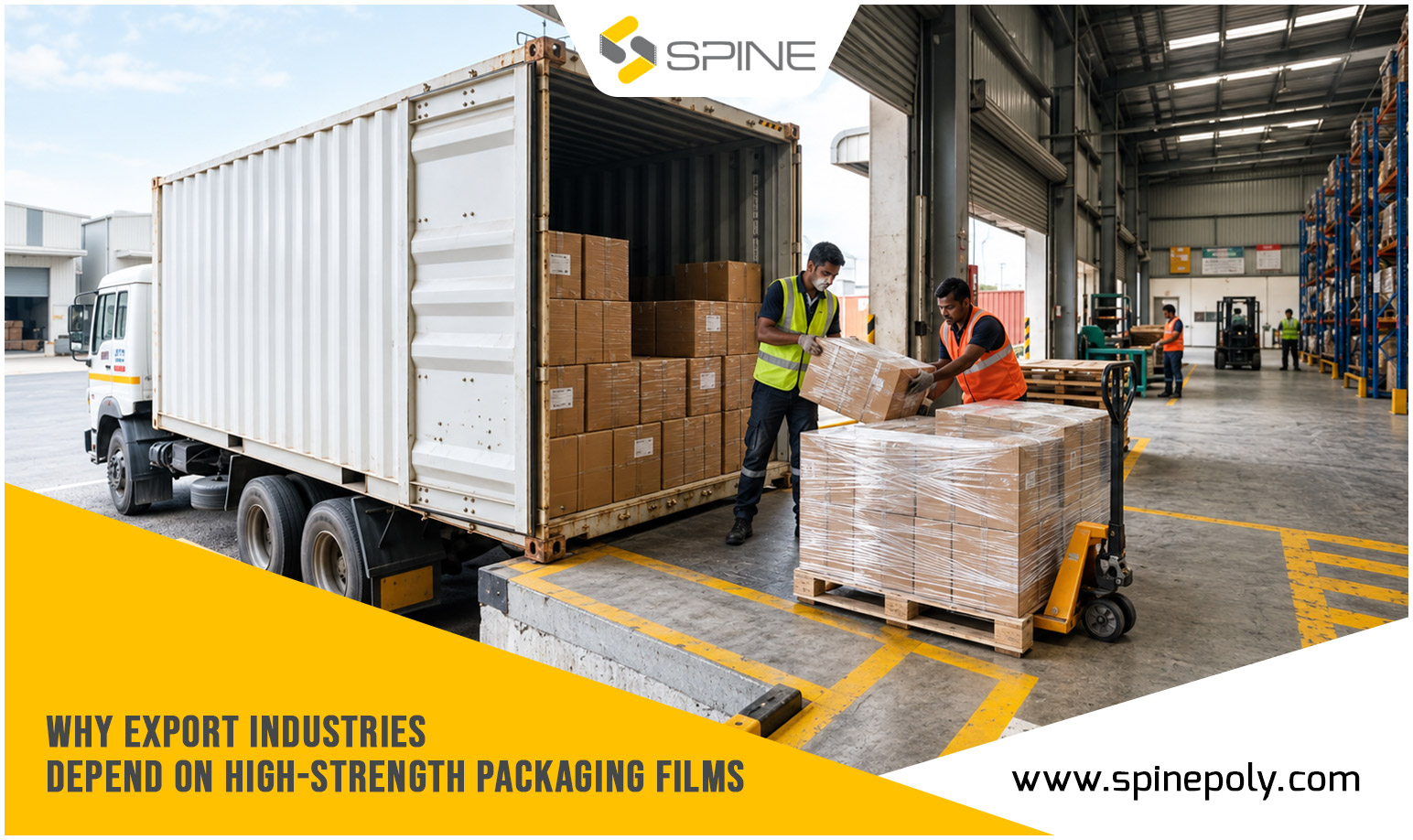
In the packaging industry, polyethylene films are commonly used to protect products from dust, moisture, and contamination during storage and transportation. For food packaging applications, films must also meet safety and hygiene standards while preserving product freshness.
In the construction sector, polyethylene films are often used as vapor barriers to prevent moisture infiltration in buildings. These films must be durable and capable of withstanding environmental exposure over long periods.
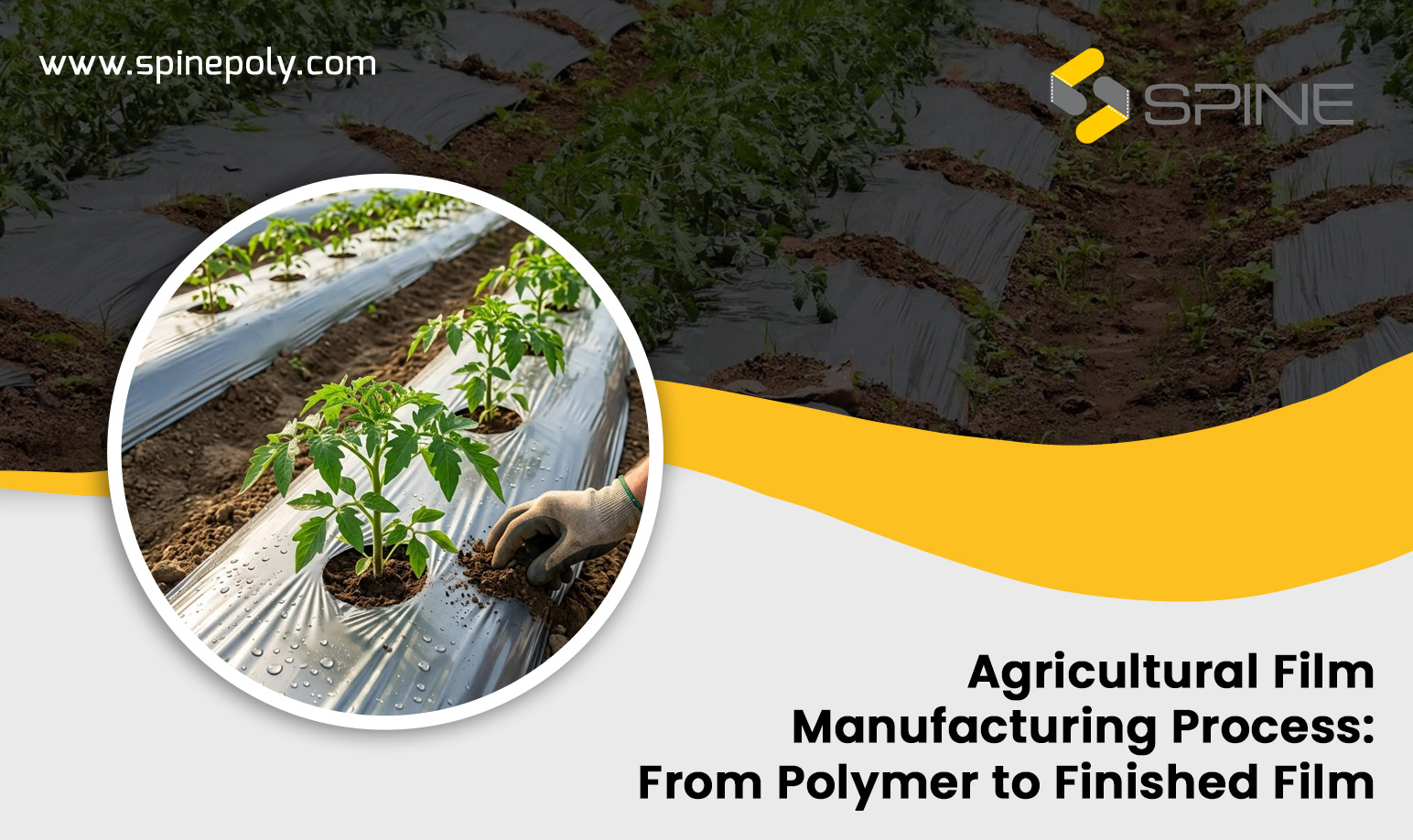
Agricultural applications require polyethylene films for uses such as greenhouse covers, mulch films, and crop protection sheets. These films must offer resistance to UV radiation and varying weather conditions.
By identifying the exact operating conditions, such as temperature exposure, humidity levels, chemical contact, or sunlight exposure businesses can select polyethylene films specifically engineered to perform under those circumstances.
Ensuring Equipment Compatibility
Another important consideration when selecting custom polyethylene film solutions is compatibility with existing machinery and processes. Packaging and manufacturing operations rely on equipment that requires materials with precise specifications.
Film width, thickness consistency, roll dimensions, and winding direction all affect how smoothly the material performs on packaging machines or production equipment. If the film is not compatible with the machinery, it can lead to operational disruptions, slower production speeds, or material waste.
Before finalizing a polyethylene film solution, it is advisable to test the material on the intended equipment. A trusted manufacturer will typically assist with technical guidance to ensure seamless integration into the production line.
Meeting Regulatory and Compliance Requirements
Depending on the industry, polyethylene films may need to comply with various regulatory standards. For example, films used in food packaging must meet strict food safety regulations to ensure that they do not contaminate the products they protect.
Similarly, certain industries require materials that comply with environmental guidelines, recycling standards, or industry certifications. Businesses should always verify that their chosen polyethylene film meets all relevant regulatory requirements.
A reputable manufacturer will provide proper documentation, product certifications, and testing reports to confirm compliance. This transparency helps businesses maintain product safety and avoid legal or operational risks.
The Value of Customization
One of the biggest advantages of polyethylene film is its ability to be customized according to specific operational needs. Custom film solutions may include special additives for UV protection, anti static properties, enhanced strength, or improved sealing performance.
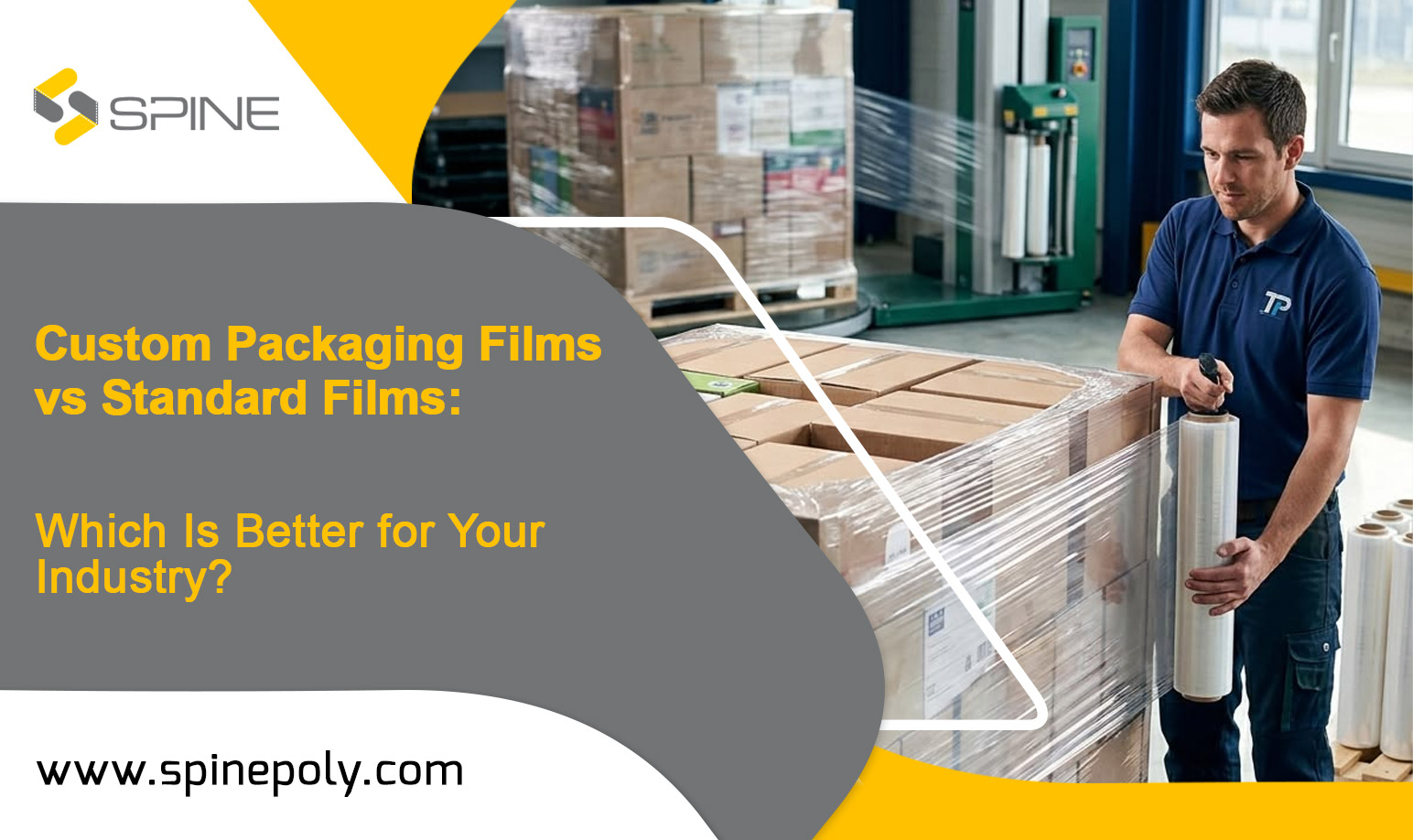
Customization allows businesses to develop packaging or protective solutions that are perfectly aligned with their product and operational environment. Rather than relying on generic materials, custom films deliver higher efficiency and better performance in specialized applications.
Conclusion
Selecting the right polyethylene film solution is a critical decision that can influence product quality, operational efficiency, and overall business performance. By understanding film properties, evaluating manufacturer capabilities, considering application requirements, and ensuring regulatory compliance, businesses can make well informed decisions when choosing polyethylene film materials.At Spine Poly, we specialize in developing high quality custom polyethylene film solutions designed to meet the diverse needs of modern industries. Our commitment to innovation, quality, and customer collaboration ensures that businesses receive reliable materials tailored to their specific applications.
Recent Posts