12 Oct 2026
17 Apr 2026
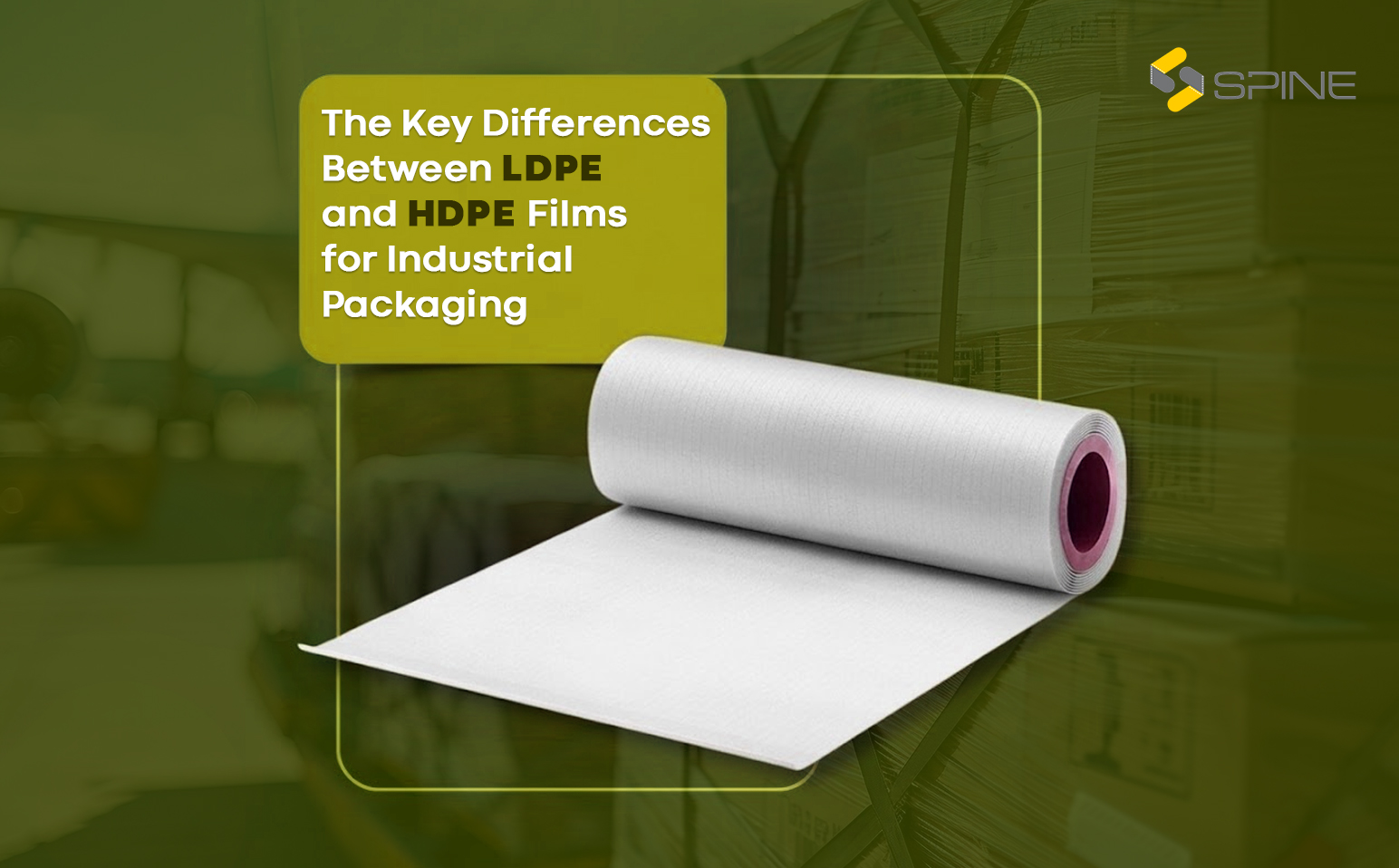
The Key Differences Between LDPE and HDPE Films for Industrial Packaging Explained
In modern industrial packaging, selecting the right material plays a critical role in protecting products during storage, transportation, and distribution. Businesses today require packaging films that are strong, reliable, and cost efficient while also meeting sustainability expectations.
Two of the most widely used materials in industrial packaging are Low Density Polyethylene (LDPE) films and High Density Polyethylene (HDPE) films. Each offers unique advantages and performs differently depending on the application.
As a trusted manufacturer of industrial packaging materials, Spinepoly helps businesses choose the right packaging solutions based on performance, durability, and operational needs. In this guide, we’ll explore the key differences between LDPE and HDPE films, their characteristics, and how they are used across industries.
Understanding LDPE and HDPE Films
Polyethylene films are widely used in packaging because of their durability, versatility, and resistance to environmental factors. LDPE and HDPE are both types of polyethylene, but their molecular structures give them different physical and functional properties.
- LDPE (Low Density Polyethylene) is known for its softness, flexibility, and transparency, making it ideal for packaging that requires stretchability and impact resistance.
- HDPE (High Density Polyethylene), on the other hand, has a tighter molecular structure, which results in higher strength, rigidity, and chemical resistance.
These differences make each material suitable for specific packaging applications.
Key Physical Differences Between LDPE and HDPE Films
Understanding the physical characteristics of LDPE and HDPE films helps businesses choose the right packaging material for their products.
LDPE Film Properties
LDPE films are valued for their flexibility and ability to stretch without tearing. Some of their key characteristics include:
- High flexibility and softness
- Excellent clarity and transparency
- Good impact and puncture resistance
- Moisture resistance
- Easy sealing and processing
Because of these features, LDPE films are commonly used when packaging requires elasticity and protection from mechanical damage.
HDPE Film Properties
HDPE films are stronger and more rigid than LDPE films. They offer excellent durability and resistance against environmental stress.
Key characteristics include:
- Higher tensile strength
- Greater stiffness and durability
- Superior chemical resistance
- Excellent moisture barrier properties
- Lightweight yet strong structure
These qualities make HDPE films suitable for heavy duty packaging applications.
Industrial Packaging Applications of LDPE Films
LDPE films are widely used across industries because of their flexibility and protective capabilities.
Common uses include:
Shrink Packaging
LDPE films shrink tightly around products when heat is applied, making them ideal for bundling items and protecting goods during transport.
Pallet Wrapping
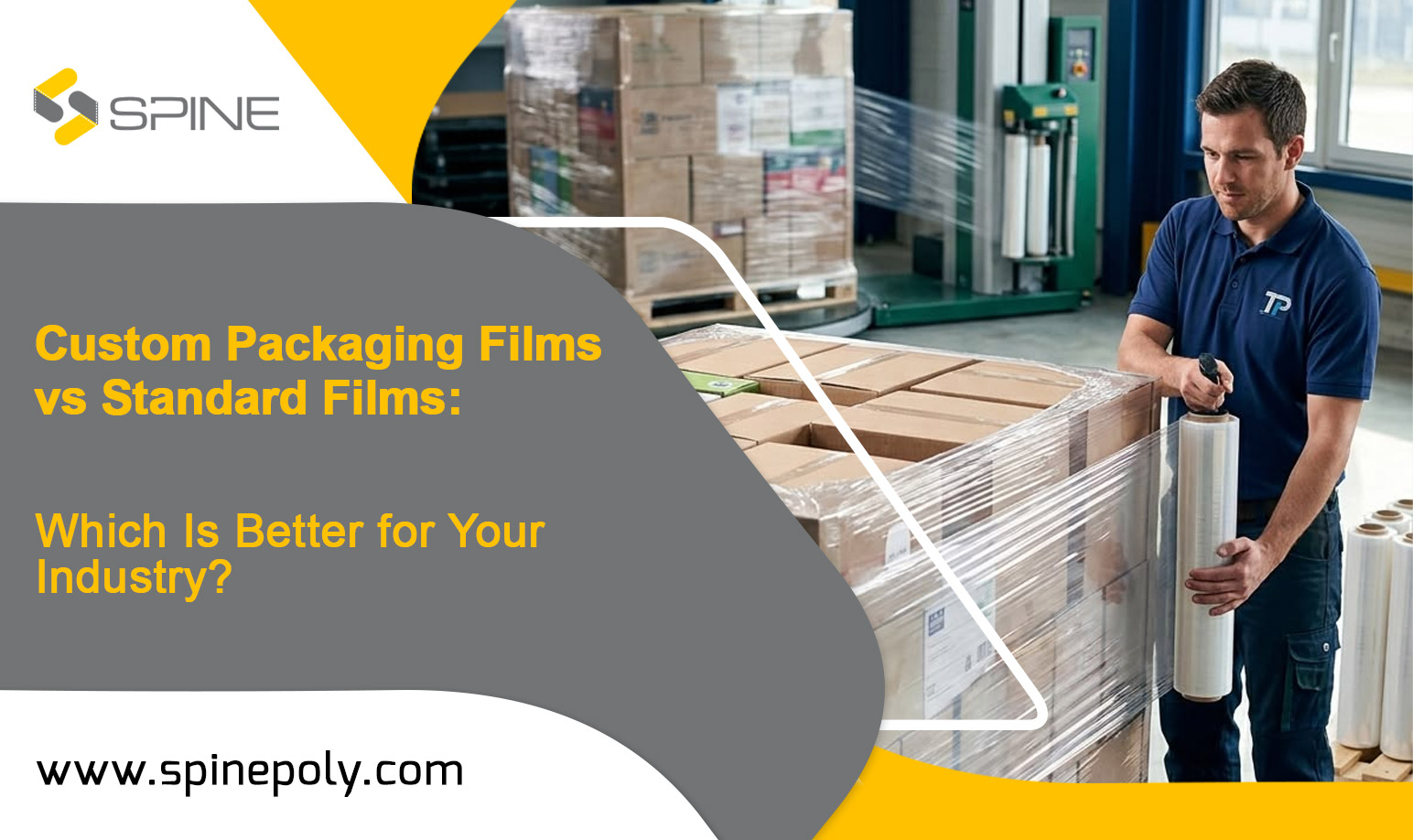
Flexible LDPE stretch films are commonly used to secure pallets, preventing product movement during shipping and storage.
Food Packaging
Because of their clarity and sealing ability, LDPE films are often used in food packaging to protect products while maintaining visibility.
Protective Covers
Many industries use LDPE films to protect products from dust, moisture, and external damage during storage.
Industrial Applications of HDPE Films
HDPE films are widely used in industries that require stronger and more durable packaging solutions.
Typical applications include:
Container Liners
HDPE liners protect containers from contamination and prevent leakage during storage and transport.
Drum Liners
Industrial chemicals and liquids are often stored in drums lined with HDPE film for added safety and protection.
Chemical Packaging
Due to its chemical resistance, HDPE film is commonly used for packaging substances that could degrade other materials.
Heavy Duty Industrial Packaging
HDPE films are frequently used where strength and rigidity are essential for handling heavier products.
Sustainability and Cost Considerations
Today, companies are increasingly focused on sustainability and cost efficiency when choosing packaging materials.
Both LDPE and HDPE films offer advantages depending on business requirements.
- LDPE Film Sustainability and Cost
LDPE films tend to provide greater flexibility and puncture resistance, which can reduce product damage during transportation. While they may sometimes cost slightly more than HDPE films, their durability can help reduce packaging failures and long term expenses.
- HDPE Film Sustainability and Cost
HDPE films are generally more rigid and often more economical. Their strength allows thinner films to be used in certain applications, which can reduce overall material usage while still maintaining protection.
Both LDPE and HDPE are recyclable materials, making them suitable options for companies working toward more sustainable packaging practices.
Choosing the Right Film for Your Packaging Needs
Selecting between LDPE and HDPE films depends on several factors, including:
- Type of product being packaged
- Required strength and flexibility
- Exposure to chemicals or moisture
- Transportation conditions
- Cost and sustainability goals
v If your packaging requires flexibility, stretchability, and clarity, LDPE films may be the best choice.
v If your packaging demands strength, rigidity, and chemical resistance, HDPE films are often more suitable.
Working with an experienced manufacturer can help businesses identify the best solution for their specific requirements.
Final Thoughts
LDPE and HDPE films both play essential roles in modern industrial packaging. While LDPE offers flexibility and impact resistance, HDPE delivers strength and durability for demanding applications.
Understanding the differences between these materials allows businesses to choose packaging solutions that maximize protection, efficiency, and cost effectiveness.
If your company is looking for reliable packaging films tailored to industrial needs, Spinepoly offers high quality LDPE and HDPE film solutions designed to support modern packaging requirements.
Recent Posts